Beginner’s Guide to Vapes: Everything You Need to Know in 2026
What This Guide Covers
- What a vape is and how it works
- The 6 types of vape and which is right for beginners
- MTL vs direct-to-lung inhaling — and why it matters
- E-liquid explained: PG/VG ratios, flavours, and nicotine strengths
- How to pick your very first vape device
- Safety tips every new vaper must know

What Is a Vape?
A vape (also called an e-cigarette or electronic cigarette) is a battery-powered device that heats a liquid — called e-liquid or vape juice — to produce a vapour that you inhale. Unlike a traditional cigarette, there is no combustion, no tobacco, and no tar. You are breathing in a vapour, not smoke.
The result? A nicotine delivery experience that closely mimics smoking without the thousands of combustion chemicals found in cigarettes. That is why Public Health England concluded that vaping is at least 95% less harmful than smoking — and why more than 4.5 million people in the UK now use a vape as their main alternative to cigarettes.
Modern vapes come in many shapes and sizes — from pocket-sized disposables you use straight out of the wrapper, to refillable pod kits and powerful box mods for experienced vapers. This guide to vapes will walk you through all of them so you can find the right starting point.
How Does a Vape Work?
Every vape — regardless of shape or price — works using the same four core components:
- Battery — Powers the device. Built-in and rechargeable in most modern vapes, or removable 18650/21700 cells in advanced mods.
- Coil (atomiser) — A small metal heating element wrapped with wicking material (usually cotton). When activated, it heats to between 160–220°C and turns e-liquid into vapour.
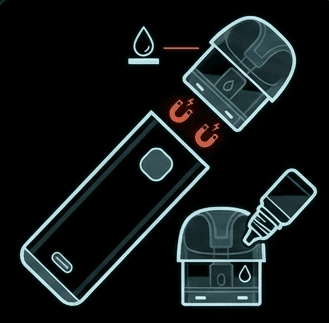
- E-liquid reservoir — The tank, pod, or cartridge that holds your e-liquid. Disposables come pre-filled; refillables let you top up with the e-liquid of your choice.
- Mouthpiece — The drip tip through which you inhale the vapour. Can be replaced on most reusable devices.
When you draw on the mouthpiece (or press a fire button on button-activated devices), the battery sends power to the coil, which heats the wick, which vaporises the e-liquid. The vapour travels up through the airflow system and into your mouth or lungs — delivering nicotine within seconds, similar to a cigarette.
Types of Vapes: A Quick Overview
There are six main types of vape on the market in 2026. As a beginner, the first three are most relevant — disposables, cigalikes, and pod vapes. Here is a quick summary:
| Type | Best For | Typical Cost | Refillable? |
|---|---|---|---|
| Disposable | Absolute beginners testing vaping | £6–£10 per device | No |
| Cigalike | Smokers who want a cigarette feel | £10–£20 starter kit | Prefilled pods only |
| Pod Vape | Beginners making a full switch | £20–£40 kit | Yes (refillable pods) |
| Vape Pen | Intermediate vapers wanting more vapour | £25–£50 kit | Yes |
| Box Mod | Experienced vapers, custom builds | £50–£120+ | Yes |
| Squonk Mod | Advanced hobbyists with RDAs | £60–£150+ | Yes (bottom-feed) |
How to Inhale When Vaping: MTL vs Direct-to-Lung
One of the most common beginner questions is how to actually inhale a vape. Unlike a cigarette — where most people mouth-inhale instinctively — vapes can be used in two distinct ways, and picking the right one makes a significant difference to your satisfaction.
Draw into mouth, then inhale
You pull the vapour into your mouth first, hold it briefly, then inhale it into your lungs — exactly like smoking a cigarette. This is the technique used with:
- Disposable vapes
- Cigalikes and pod vapes
- Tight-airflow vape pens
Best with: higher nicotine (10–20mg nic salts) and 50:50 PG/VG e-liquids
Inhale directly into lungs
You draw the vapour directly into your lungs in one open breath — more like using an inhaler. This produces much larger clouds and is used with:
- Sub-ohm vape pens
- Box mods with tank
- Squonk mods
Best with: lower nicotine (3–6mg freebase) and high-VG e-liquids (70/30+)
E-Liquid Explained: Your Complete Vape Juice Guide
E-liquid (also called vape juice) is the liquid that your vape heats to produce vapour. Every e-liquid contains just four core ingredients — there is nothing mysterious about it:
Propylene Glycol
Thin base that carries flavour well and produces a satisfying throat hit. Food-grade and widely used in medicines. Higher PG = more hit, less cloud.
Vegetable Glycerin
Thick, sweet base that produces bigger clouds and a smoother vape. Derived from plant oils. Higher VG = bigger vapour, smoother draw.
Nicotine (optional)
The active ingredient that satisfies cigarette cravings. Available as freebase nicotine or nicotine salts. Can be set to 0mg for nicotine-free vaping.
The ratio of PG to VG determines how your vape performs. Here is what to choose as a beginner:
- 50/50 (equal PG and VG) — Best for beginners and MTL vaping. Works in all pod devices and most basic kits. Good flavour and a decent throat hit.
- 70VG/30PG — Better for sub-ohm vaping. Produces denser vapour clouds but loses some throat hit. Requires a more powerful device.
- Max VG (80%+ VG) — Cloud-chasing territory. Only suitable for advanced box mods and rebuildable atomisers.
Nicotine Salts vs Freebase Nicotine
There are two types of nicotine used in e-liquids, and the difference matters for beginners:
- Freebase nicotine — The traditional form. Stronger throat hit at higher mg. Best at 3–12mg. Used in 50/50 and high-VG liquids.
- Nicotine salts (nic salts) — A smoother form of nicotine that absorbs faster. Allows higher strengths (10–20mg) without a harsh throat. Strongly recommended for new vapers switching from cigarettes — the faster delivery closely mimics smoking.
Nicotine Strengths: What Level Should You Start With?
Choosing the right nicotine strength is arguably the most important decision a new vaper makes. Go too low and you will reach for cigarettes within hours. Go too high and you will find the vape uncomfortably harsh. Use this table as your starting point:
| Strength | Type | Best For | Equiv. Cigarettes/Day |
|---|---|---|---|
| 20mg (2%) | Nic salts | Heavy smokers (20+ per day) | 20–30+/day |
| 10–18mg | Nic salts | Moderate–heavy smokers | 10–20/day |
| 6–10mg | Freebase / nic salts | Light–moderate smokers | 5–10/day |
| 3–6mg | Freebase | Social or casual smokers | 1–5/day |
| 0mg | Freebase | Already quit nicotine, vaping for flavour | None |
The general rule of thumb is: if you smoke 10–20 cigarettes per day, start with a 10–20mg nicotine salt liquid in an MTL pod or disposable. If you are still craving cigarettes after a few days, move up a level. If the vape feels too harsh, drop down.
How to Choose Your First Vape
The best vape for you depends on where you are in your journey. Below are three recommended starting paths based on your situation:
Just Testing Vaping
Pick up a single disposable vape — Elf Bar BC600 or Lost Mary BM600S are ideal. Zero commitment, no charging, and lets you discover if vaping works for you.
Budget: under £10
See best disposables →Serious About Quitting Smoking
A refillable pod kit is the smartest choice. Much cheaper per day than disposables, gives you full control over nicotine strength, and lasts months with basic care.
Budget: £20–£40 kit + e-liquids
See best pod kits →Not Sure Where to Start?
Take our 60-second Vape Finder Quiz. Answer 6 quick questions about your budget, draw preference, and experience — and we will show you your top three matches.
Free tool — instant results
Take the quiz →What to Look for in a Beginner Vape
When comparing starter devices, these are the features that matter most for new vapers:
- Draw-activated firing — No buttons to press. Just inhale and it works. Closest to the feeling of a cigarette.
- MTL airflow — A tighter draw that matches the resistance of a cigarette. Essential for smokers switching over.
- USB-C charging — Fast and universal. Avoid anything that still uses micro-USB.
- Compatible with nic salt e-liquids — Low-wattage pod devices are designed for nic salts. Check the recommended wattage range before buying.
- Compact size — Lighter and easier to carry than box mods. Fits in a pocket or bag without fuss.
- Simple refilling — Top-fill pods are the easiest. Avoid bottom-fill designs as a beginner — they are messy and awkward.
Vaping Safety Tips for Beginners
Vapes are simple, safe devices when used correctly. Follow these fundamentals and you will not run into any problems:
Buy from reputable UK retailers
Only buy e-liquids and devices that carry MHRA (UK) notification. Counterfeit vapes from unverified sources can have substandard batteries and unlabelled ingredients.
Use the correct charger
Always charge with the cable provided or a quality USB-C charger at the rated voltage. Do not leave devices charging overnight or unattended for long periods.
Keep e-liquid away from children and pets
Liquid nicotine is toxic if ingested. Store e-liquids with childproof caps in a locked or high cupboard. If ingested, seek immediate medical attention.
Keep your device clean
Wipe down the mouthpiece regularly. When refilling, prime new pods or coils with a few drops of e-liquid and leave for 5 minutes before using to prevent dry hits.
Avoid extreme heat and water
Do not leave your vape in a hot car, direct sunlight, or near a heat source. Lithium batteries degrade quickly in high temperatures and can swell or fail.
Replace pods and coils regularly
A burnt-tasting vape is a sign your coil is worn out. Most pod coils last 1–2 weeks depending on usage. Vaping on a dead coil is unpleasant and wastes e-liquid.
Your Beginner’s Vape Starter Checklist
Ready to make the switch? Here is everything you need to get started:
- Choose your device type — disposable to try, pod kit to commit
- Pick an appropriate nicotine strength (match your smoking habit)
- Buy nicotine salt e-liquid in a 50/50 PG/VG ratio for MTL vaping
- Charge your device fully before first use
- Prime your coil or pod — add a few drops of e-liquid and wait 5 minutes
- Start with short, gentle draws — vaping is not the same as smoking a cigarette
- Give it at least 3–5 days before deciding whether vaping works for you
- Keep a backup device or a few disposables handy for cravings
- Track your progress — the average ex-smoker saves over £2,000 per year switching to a pod kit
Not Sure Which Vape Is Right for You?
Answer 6 quick questions and get instant personalised recommendations with pricing and where to buy.
Take the Free Vape Finder Quiz →Beginners Guide to Vapes — Frequently Asked Questions
Is vaping safe for beginners?
Vaping is significantly safer than smoking. Public Health England’s widely cited review found that e-cigarettes are at least 95% less harmful than tobacco cigarettes. They do not produce tar, carbon monoxide, or the thousands of combustion chemicals found in cigarette smoke. That said, vaping is not risk-free — nicotine is addictive and vaping is not recommended for non-smokers or people under 18.
What is the best vape for a complete beginner?
A pod kit like the Vaporesso XROS 5 or Oxva Xlim Pro 3 is ideal for most beginners switching from cigarettes — they are compact, draw-activated, support nic salt e-liquids, and are very cost-effective over time. If you want zero commitment, a disposable like the Elf Bar BC600 or Lost Mary BM600S lets you try vaping for under £10.
How much nicotine should a beginner vaper use?
Match your current smoking habit. If you smoke 10–20 cigarettes per day, start with 10–20mg nicotine salt e-liquid. Heavy smokers (20+/day) should start at 20mg. If the vape feels harsh, drop down. If you are still craving cigarettes after a day or two, move up. Use freebase nicotine at 3–6mg if you are moving towards quitting nicotine entirely.
Can vaping help me quit smoking?
Yes — and there is strong evidence to support it. A 2019 randomised controlled trial published in the New England Journal of Medicine found that vaping was nearly twice as effective as nicotine patches or gum for quitting smoking. The NHS in England actively recommends vaping as a smoking cessation tool and smoking cessation services recommend pairing a vape with NHS Stop Smoking support for best results.
What is the difference between an e-cigarette and a vape?
They are the same thing. “E-cigarette” (or electronic cigarette) is the original and more formal name, often used in news and official health guidance. “Vape” is the casual term that most people use in everyday conversation. Both refer to battery-powered devices that vaporise e-liquid for inhalation.
How long does a vape coil last?
Most coils last 1–2 weeks for average users. Signs a coil needs replacing include a burnt or muted flavour, reduced vapour production, or a harsh throat hit. Using sweetened e-liquids (caramel, custard, candy flavours) wears out coils faster than unflavoured or menthol liquids, due to caramelisation of the wick.
Is it cheaper to vape than to smoke?
Significantly, yes. A 20-a-day smoker spends roughly £4,000–£5,000 per year on cigarettes. Switching to a refillable pod kit typically costs £150–£300 per year (device + e-liquid + coils). Even disposable-only vapers typically spend less than £1,500 per year. Use our Vape Cost Calculator for a personalised breakdown.
Do I need to be 18 to buy a vape in the UK?
Yes. The minimum legal age to purchase e-cigarettes and e-liquids in the UK is 18. Retailers are required to perform age verification both online and in-store. From 2025, the government also began phasing in restrictions on the sale of disposable vapes to reduce youth uptake and environmental waste.