
Updated 2026-07-03 — Originally published 2016-04-08
So you’ve got your first vape kit. Now what? Choosing an e-liquid feels overwhelming — thousands of options, multiple nicotine strengths, and enough acronyms (PG, VG, nic salts) to make your head spin. But it doesn’t have to be that hard.
This guide cuts through the noise. If you’re switching from cigarettes or just took your first puff, here’s what you actually need to know to find the best affordable e-liquids for beginners — without wasting money on bottles you’ll hate.
Key Takeaways
- Flavor is your starting point — pick something you’d actually enjoy drinking or eating
- Your nicotine strength should match how heavily you smoked, not gut instinct
- PG carries flavor; VG produces vapor — the ratio matters more than most beginners expect
- Always buy from reputable US-based vendors using USP-grade ingredients and lab-tested nicotine
- Reviews are your best protection against spending $20 on juice that tastes like burnt chemicals
How to Choose a Flavor
How to Choose Your Nicotine Strength
Understanding PG and VG Ratios
Freebase Nicotine vs Nicotine Salts
Why Reviews Matter So Much
What to Look for in a Quality E-Liquid Vendor
How to Choose a Flavor
Flavor is king. Vapor production means nothing if the taste makes you want to put the device down for good.
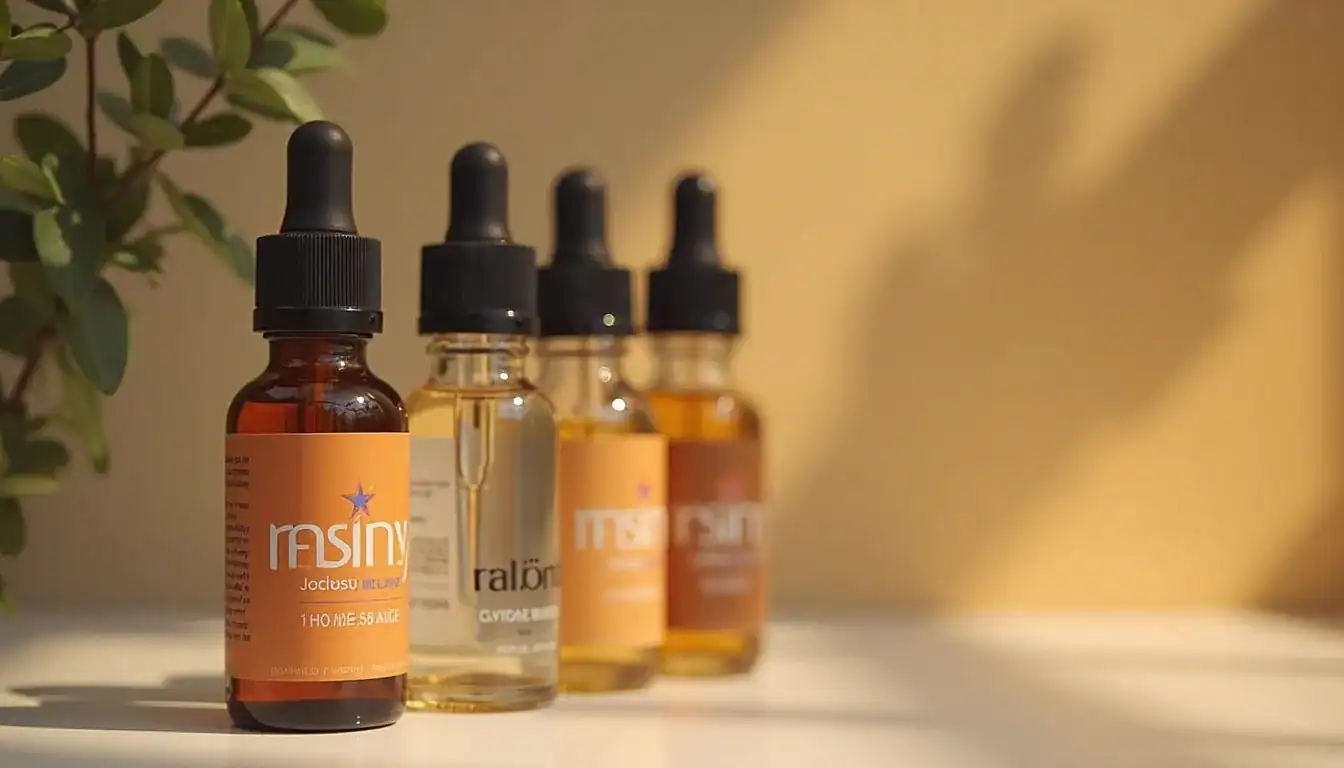
Don’t pick a juice based on its name alone. A cleverly named product might sound appealing, but without knowing whether it’s sweet, sour, minty, or earthy, you’re gambling. At $15–$20 a bottle, that gets expensive fast.
Think about what you already enjoy instead. Black coffee every morning? Try a tobacco or coffee blend. Got a sweet tooth? Dessert and custard flavors are wildly popular for a reason. Want something crisp? Menthol and fruit blends tend to work especially well for ex-smokers making the switch.
A few practical tips that actually help:
- Look for brands selling variety packs or smaller 10ml sample bottles around $5–$8 each. Test before committing to a 60ml or 100ml bottle.
- Many vapers start on tobacco flavors, then gradually shift toward fruit or dessert profiles over months. Give yourself room to change.
- Read our best vape juices guide for 2026 before buying — it covers top-rated e-liquids tested across hundreds of options.
Honest opinion: tobacco flavors are slightly overrated for beginners. They rarely match a cigarette closely enough to satisfy, and the comparison often backfires. A clean menthol or strawberry blend is frequently an easier entry point — no expectations, just taste.
Some people also experience e-liquid side effects like dry mouth or mild throat irritation when starting out. Worth reading about before your first session so you know what’s normal.
How to Choose Your Nicotine Strength
This is where most beginners go wrong — picking too low and craving cigarettes, or too high and getting hit with nausea. The rule is simple: start at the strength closest to what you’ve been smoking.
| Nicotine Level | mg/mL | Best Suited For |
|---|---|---|
| Very High (Nic Salt) | 50mg | Heavy smokers, 1+ packs a day |
| High | 18–20mg | Regular smokers, around 1 pack a day |
| Medium | 12mg | Light to moderate smokers |
| Low | 6mg | Social or occasional smokers |
| Very Low | 3mg | Stepping down from higher strengths |
| Zero | 0mg | Nicotine-free, flavor-only vaping |
One thing catches beginners off guard: stronger vapor doesn’t mean stronger nicotine delivery — it means more airflow and cloud production. Sub-ohm devices running at high wattage can deliver nicotine surprisingly fast, so if you’re on a powerful kit, you may need a lower mg/mL than you’d expect.
My take: if you smoked a pack a day, start at 18mg freebase or 25–35mg nicotine salt, then step down gradually over weeks. Jumping straight to 3mg usually fails. Build a ladder, not a cliff.
Our nicotine strengths guide goes deeper — covering calculation methods, tapering timelines, and device-specific recommendations.
Understanding PG and VG Ratios
Every e-liquid is built on four ingredients: nicotine, flavor concentrate, PG (Propylene Glycol), and VG (Vegetable Glycerin). Both are food-grade additives. But they behave very differently once they hit your device.

PG is thinner. It carries flavor more effectively and produces a stronger throat hit — the sensation many ex-smokers crave. Higher-PG blends (50/50 or 60PG/40VG) work well in pod-style devices and mouth-to-lung setups.
VG is thicker and produces bigger clouds. It’s noticeably smoother, which some people love and others find unsatisfying. High-VG blends (70VG/30PG or above) suit sub-ohm tanks and direct-lung devices.
Quick reference: pod systems and starter kits do best with 50/50 or high-PG juice. Sub-ohm tanks and box mods are built for 70VG/30PG or higher. Using the wrong ratio in the wrong device causes dry hits, clogged coils, or a weak experience — none of which you want as a beginner. Our PG and VG breakdown covers sensitivity issues and device matching in more detail.
Freebase Nicotine vs Nicotine Salts
This distinction barely existed a decade ago. Now it’s one of the first decisions every beginner should make.
Freebase nicotine is the traditional form — used since vaping became commercially available around 2007. It gets harsh at higher concentrations. Most freebase liquids sit between 3–18mg for that reason.
Nicotine salts use a modified nicotine compound that stays smooth at much higher concentrations. A 50mg nic salt juice is perfectly palatable in a pod system — something freebase can’t match at that strength. That makes nic salts a strong choice for heavier ex-smokers who need fast, satisfying nicotine delivery.
✓ Pros of Nic Salts
- Smooth at high concentrations (25–50mg)
- Faster nicotine satisfaction per puff
- Ideal for pod systems and low-wattage devices
- Strong option for ex-heavy smokers
✗ Cons of Nic Salts
- Not suitable for sub-ohm or high-wattage devices
- Higher addiction potential at 50mg
- Fewer flavor options than freebase
- Too strong for light or social smokers
✓ Pros of Freebase Nicotine
- Massive variety of flavors and brands
- Works well with sub-ohm tanks and box mods
- Easier to step down nicotine gradually
- Available in 0mg for flavor-only vaping
✗ Cons of Freebase Nicotine
- Harsh at concentrations above 18mg
- Slower nicotine delivery compared to nic salts
- May not satisfy heavy ex-smokers at lower strengths
Why Reviews Matter So Much
E-liquid quality varies wildly. Some bottles are genuinely excellent. Others taste like burnt artificial sweetener mixed with regret. And you can’t tell from the label.
Reading reviews before buying isn’t optional — it’s how you protect your money. Brands are often inconsistent too: great in one flavor, terrible in three others. Reviews catch that pattern fast. Product descriptions don’t.
The top-rated e-liquid brands in 2026 consistently share a few things: US manufacturing in ISO-certified or cGMP-compliant facilities, USP-grade PG and VG, lab-tested nicotine with batch-level traceability, and sealed dated packaging. Fresh juice matters. Oxidized nicotine degrades flavor and potency — our e-liquid shelf life guide explains what to watch for and how long juice actually keeps.
What to Look for in a Quality E-Liquid Vendor
Not all sellers are equal. This is one area where cutting corners will cost you — in taste, safety, and satisfaction.

USP-grade ingredients mean PG and VG meet strict United States Pharmacopeia purity standards. Brands that skip this often substitute cheaper industrial-grade alternatives. Lab-tested nicotine with certificates of analysis is now standard among reputable vendors — if a brand can’t provide this, that’s a red flag.
Clean US manufacturing matters too. Imported juices, especially gray-market options, don’t always meet GMP standards regardless of what the label says. A DIY vendor claiming to use USP-grade ingredients may be telling the truth — but USP ingredients alone don’t equal quality without clean facilities, consistent mixing processes, and proper batch testing.
Price expectations in 2026: quality 60ml freebase juice runs $12–$25 from reputable US sellers. Nicotine salt options in 30ml bottles typically cost $10–$18. Anything dramatically cheaper is worth questioning.
Finding the best affordable e-liquids for beginners means balancing price against these quality indicators — not just grabbing the cheapest bottle available. If you need help matching your juice to the right device, our best beginner vape kits guide is a solid next step.
Frequently Asked Questions
What nicotine strength should a complete beginner start with?
Most beginners who smoked a pack a day do well starting at 18mg freebase or 25–35mg nicotine salt. If you smoked fewer than ten cigarettes a day, 12mg freebase or 20mg nic salt is usually more appropriate. Start near your current smoking habit and reduce gradually — don’t try to jump straight to low-nicotine options.
What’s the difference between nic salts and regular e-liquid?
Nicotine salts use a modified form of nicotine that stays smooth at high concentrations — up to 50mg/mL — without the harsh throat hit you’d get from freebase at the same strength. Nic salts belong in low-wattage pod systems and are ideal for ex-smokers making the switch. Freebase nicotine suits sub-ohm devices and vapers who want to step down their nicotine level over time.
How much should I expect to spend on e-liquid as a beginner?
Quality 60ml bottles of freebase e-liquid from reputable US vendors typically cost $12–$25. Nicotine salt options in 30ml bottles usually run $10–$18. Bottles priced significantly under that range often use lower-grade ingredients or older stock — both of which affect taste and satisfaction more than most beginners expect.
Can I use any e-liquid in any vape device?
Not exactly. High-VG liquids (70VG/30PG or above) are too thick for small pod systems and frequently cause dry hits or clogged coils. High-PG or 50/50 blends work across most devices. High-strength nic salts above 25mg should only go in low-wattage, mouth-to-lung devices — running them in a sub-ohm tank delivers far more nicotine per puff than intended.
How do I know if an e-liquid has gone bad?
Degraded e-liquid usually shows darker discoloration, a sharp or unpleasant smell, and a harsh or flat taste. Some color change from nicotine oxidation is normal over time, but pronounced darkening means the juice is past its best. Most quality e-liquids last 1–2 years unopened when stored away from heat and direct light.
Where can I find the best affordable e-liquids for beginners in the US?
Reputable US-based online retailers — including brand-direct websites and established vape shops — are your best bet. Look for vendors that list manufacturing location, ingredient grades, and batch testing information. Checking curated review sites before purchasing helps you avoid wasting money on poorly rated options, especially when you’re still figuring out which flavors and strengths work for you.
Sources
- U.S. Pharmacopeia (USP) — Standards for Propylene Glycol and Glycerin as Excipients
- FDA — Premarket Tobacco Product Applications and E-Cigarette Regulatory Updates (2026)
- CASAA — Consumer Reference Data on Nicotine Strengths and Delivery
- National Academies of Sciences, Engineering, and Medicine — Public Health Consequences of E-Cigarettes Report