
Updated 2026-06-24 — Originally published 2019-06-12
Best RTA For 2026: The Best Options and Advice — Updated Guide
What Is an RTA?
A rebuildable tank atomizer — RTA — sits in a sweet spot between convenience and full customization. You build your own coil and wick it yourself. The tank holds your e-liquid, so you’re not constantly dripping like you would with an RDA.
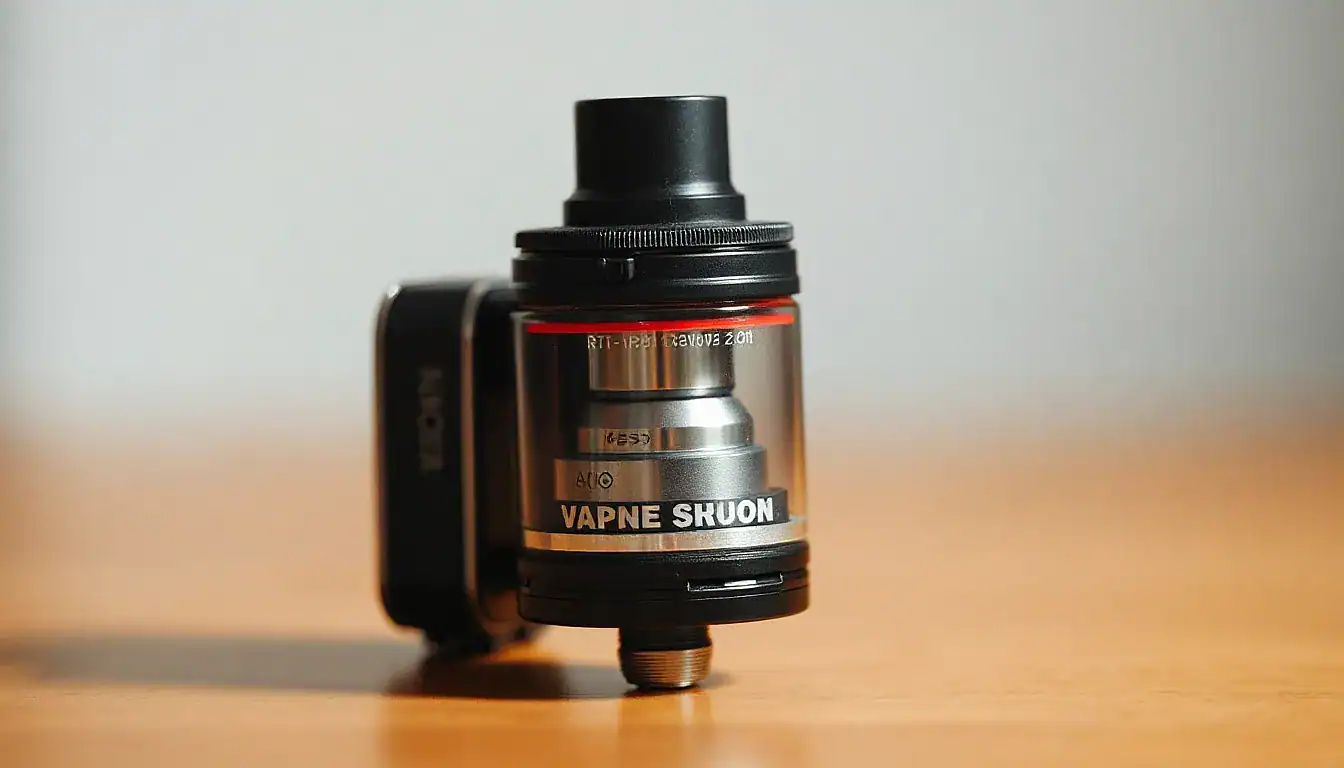
RTAs have been on the market for well over a decade. Early versions used stainless steel coils and raw cotton. The core idea hasn’t changed much — but the hardware has come a long way. Decks are smarter, airflow is more refined, and mesh coil versions have changed what’s possible for everyday vapers.
If you want deeper flavor and genuine control over your setup, the guidance in this best RTA for 2019 roundup still holds up — and we’ve updated every recommendation to reflect what’s actually worth buying now.
Are RTAs Actually Worth the Effort?
Honest answer? It depends on what kind of vaper you are.
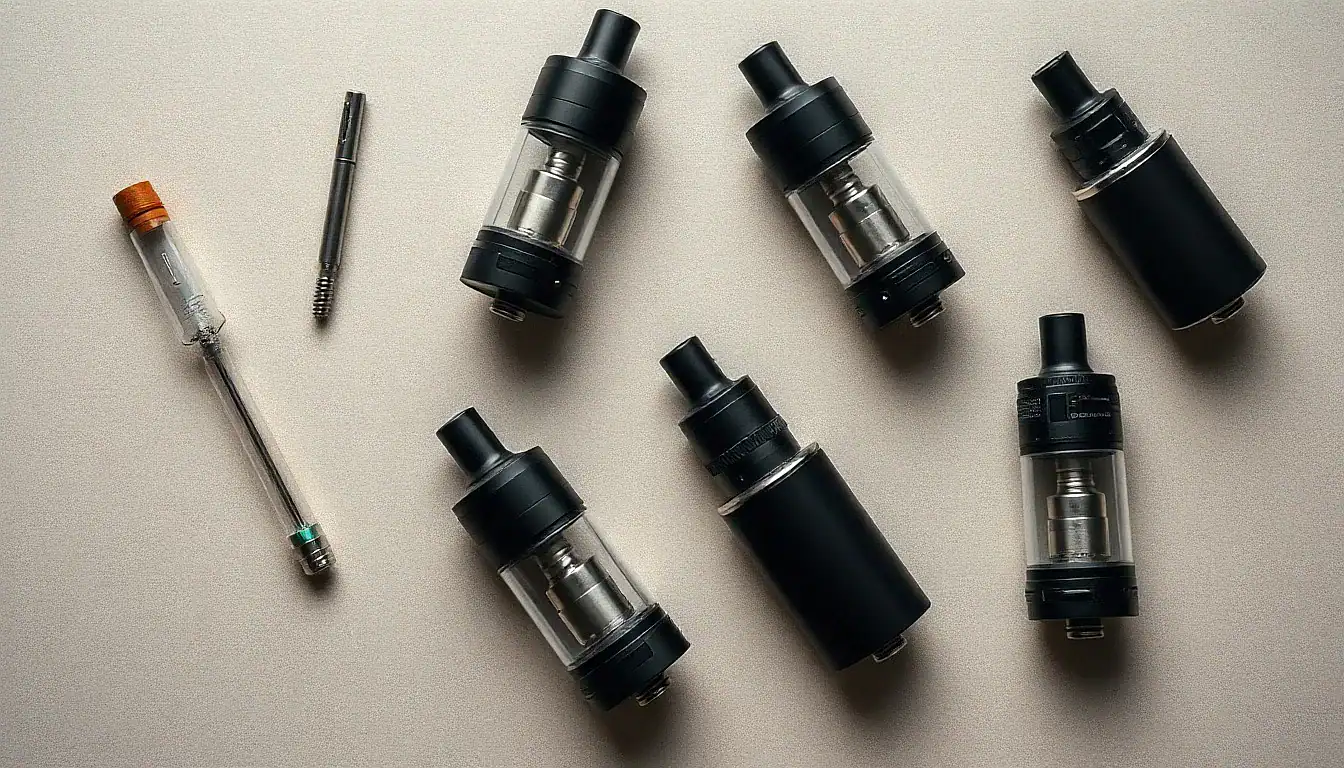
Modern sub-ohm tanks are genuinely excellent. Mesh coil versions produce deep, nuanced flavor that would’ve seemed impossible a few years back. Swapping a coil head takes about 30 seconds. Building an RTA deck takes considerably longer — especially when you’re learning the ropes.
But here’s what RTAs offer that no stock coil tank can match: complete control. You choose the wire type, coil resistance, cotton density, and airflow pairing. Every variable is yours to adjust. That’s not just a technical detail — it changes the vaping experience in ways that are hard to explain until you’ve felt it yourself.
My honest take? Most casual vapers will be perfectly happy with a quality sub-ohm setup. RTAs are for people who’ve hit the ceiling with stock coils and want to push further. If that sounds like you, keep reading.
The flavor difference between a well-built RTA and a comparable sub-ohm tank is real — but smaller than the community sometimes makes out. You won’t get blown away on the first hit. You’ll notice it over time, in the subtleties.
Pairing a good RTA with the right hardware matters too. Check out the best vape mods guide — the mod you choose makes a bigger difference than most people expect.
Types of RTAs: What to Know Before You Buy
Bottom Airflow vs. Top Airflow
The original RTA design put the airflow at the bottom of the tank, directly beneath the coil. Closer airflow means better flavor — the air hits the coil before it travels far or loses temperature.
The problem? Leaking. If the cotton sits too loose, or the tank gets laid on its side, liquid seeps into the airflow chamber. Annoying. Messy.
Top airflow designs moved the air intake above the deck to fix that. Early versions worked — no leaking — but flavor suffered because the air had further to travel to reach the coil. Manufacturers eventually cracked this with chimney-style channels that pull air directly alongside the coil, cutting that travel distance back down.
So which wins? Bottom airflow still edges ahead on pure flavor — but only when wicked properly. Top airflow is more forgiving and virtually leak-proof. For anyone new to RTA building, top airflow is the smarter starting point. The Geekvape Zeus X RTA proves exactly what a well-engineered top airflow design can do.
Single Coil vs. Dual Coil
Two coils doesn’t automatically mean twice the flavor. That’s a misconception worth clearing up early.
Dual coil setups halve the total resistance. Two 0.5-ohm coils give you a 0.25-ohm build — which fires at higher wattage and produces a noticeably warmer vape. That warmth is the real draw. If you prefer dense, hot vapor with big cloud output, dual coil delivers.
Single coil RTAs are easier to build, more battery-efficient, and often produce cleaner, more defined flavor. Personally, I lean single coil for most sessions — the builds are quicker, the flavor is precise, and battery life doesn’t take a hammering. One important note: dual coil builds are wire-only. Mesh RTA decks are single coil exclusively.
Mesh Coil vs. Wire Coil
Mesh coils dominate the sub-ohm tank market for good reason. They heat more evenly across a wider surface area — which means better flavor saturation and smoother vapor from the first hit.
RTA mesh versions arrived later than their tank counterparts, but they’re now well-established. The Wotofo Profile Unity RTA brought mesh RTA performance to a wider audience and remains one of the most recommended options around.
Wire coil RTAs still hold their own. Clapton-style builds in particular produce outstanding results when done right — our guide to Clapton coils covers the why and how in full detail.
Whichever format you choose, cotton quality matters more than most beginners realize. Our best vape cotton guide is worth reading before your first build.
Top RTA Picks Worth Knowing

Geekvape Zeus X RTA — ~$35
Top airflow, dual coil capable, and genuinely leak-resistant. The Zeus X became a benchmark for a reason. The build deck is accessible enough for intermediate builders, and the flavor output punches above its price point. Widely available on amazon.com.
Wotofo Profile Unity RTA — ~$32
The mesh RTA that actually delivered on its hype. Single coil, straightforward wicking with the included mesh strip, excellent flavor consistency. One of the most user-friendly RTAs for anyone making the jump from stock coil tanks — the learning curve is genuinely manageable.
Augvape Intake RTA — ~$28
Top airflow, single coil, built around simplicity. The Intake pulls air in directly from the side of the coil, keeping travel distance minimal and flavor delivery sharp. Compact design, clean aesthetics, and surprisingly capable for its size. See the full Augvape Intake RTA review for a closer look.
Vandy Vape Kylin M RTA — ~$30
Mesh coil, single coil, relatively easy to wick. The Kylin M produces warm, flavor-dense vapor and has earned a strong following among mesh RTA fans. Read the full Vandy Vape Kylin M review if you want the complete breakdown.
Building Your First RTA: What to Expect
The first build is the hardest. Full stop.
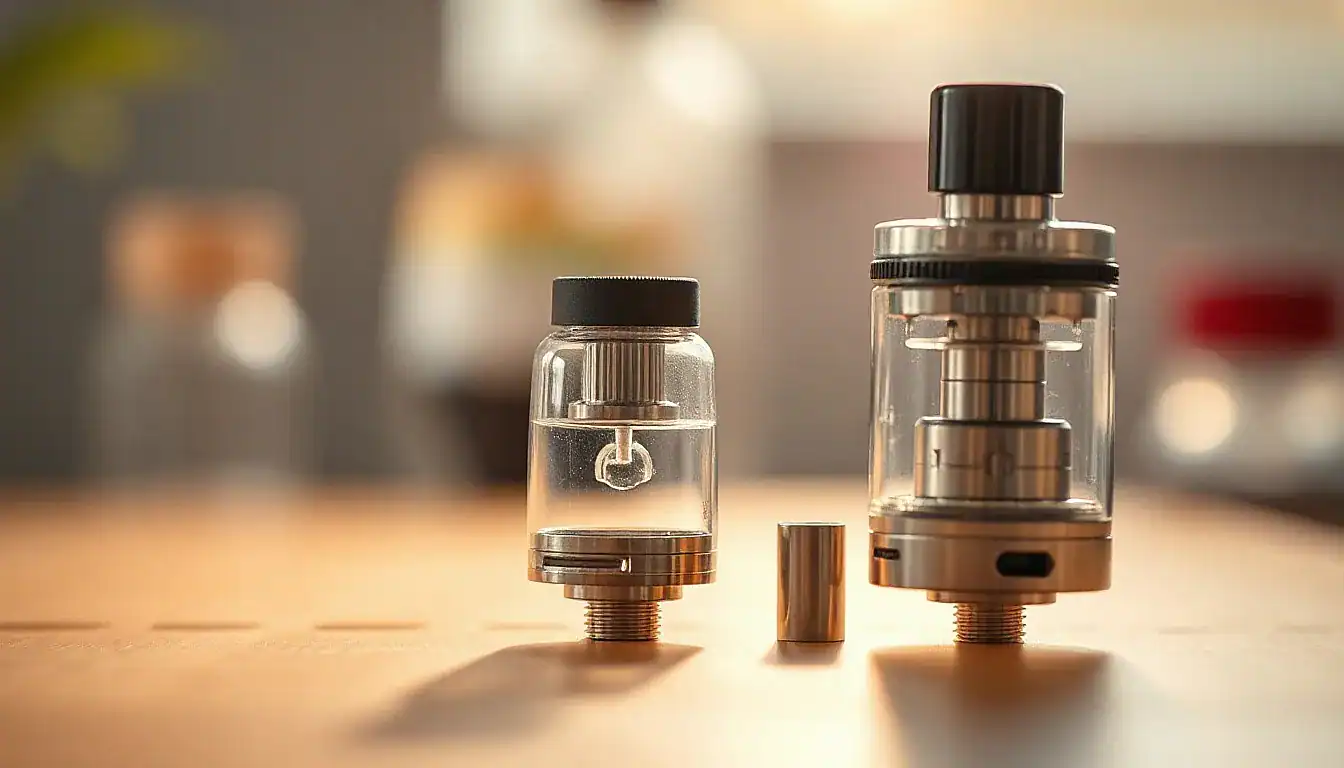
Getting the cotton density right — not too tight, not too loose — takes a few attempts. Pack it too tight and wicking slows down, leading to dry hits. Too loose and you’ll get leaks through the airflow channels. Neither is fun.
A few things that actually help:
- Trim cotton tails so they just reach the juice channels — don’t force them in
- Prime the wick with a few drops of e-liquid before firing
- Start at a lower wattage and dial up gradually
- Check for leaks on a flat surface before pocketing the tank
Don’t get discouraged by a bad first build. Every experienced RTA user has flooded a deck or scorched a dry wick at some point. It’s part of learning the format — and once it clicks, it really clicks.
So, Is an RTA Right for You?
RTAs aren’t the right call for every vaper. But if you’ve been at it for a while and want more from your setup, a rebuildable tank is a genuinely satisfying step up.
The best RTA options covered here — the Zeus X, Profile Unity, Kylin M, Augvape Intake — have held up well because good engineering doesn’t go stale. Solid airflow design, accessible decks, and consistent flavor output are timeless qualities regardless of what year it is.
And if you’re still figuring out where RTAs fit within the broader hardware picture, the types of vapes explained guide gives you a solid foundation before committing to a rebuildable setup.
Prices shown are approximate USD and subject to change based on retailer and availability.