
Updated 2026-07-04 — Originally published 2016-05-19
If standard tanks and clearomizers have started feeling like they’re holding you back, you’re probably ready for something more advanced. That’s where rebuildable dripping atomizers — RDAs — come in. Surveying the top options available right now reveals a wide range of choices: some built for flavor chasers, some for cloud production, and some for tinkerers who love constructing coils from scratch.
RDAs don’t hold a large e-liquid reservoir. You drip juice directly onto the coils and wick every few puffs. That sounds inconvenient — and honestly, it is, slightly. But the payoff in flavor intensity and vapor quality is very real. Already used vaping to quit smoking and now want to push your setup further? An RDA is a logical next step.
Key Takeaways
- RDAs deliver superior flavor and vapor compared to standard tanks, but require regular dripping
- Coil type, juice well depth, and airflow design are the three factors that matter most
- Budget options start around $25–$40; premium builds run $80–$120+
- Mesh coil RDAs now dominate the flavor category in 2026 — single-coil options suit MTL vapers best
- Always pair your RDA with a quality regulated mod and a reliable 18650 battery for safe operation
What Makes a Good RDA
Types of RDAs in 2026
Top RDA Atomizers Reviewed
RDA Comparison Table
How to Choose the Right RDA for You
What Makes a Good RDA
Not all RDAs are equal. A few key features separate the great ones from the mediocre ones.
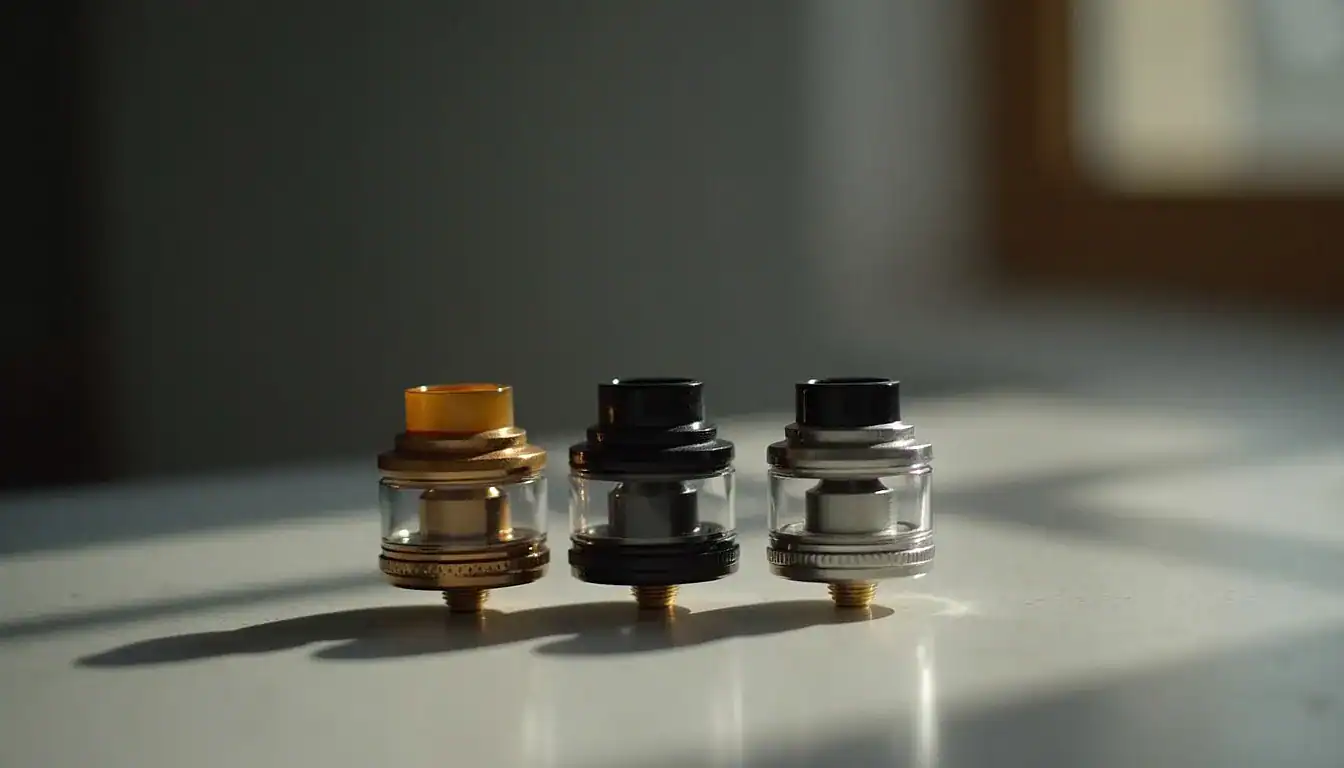
Juice well depth. A shallow well means constant re-dripping — every three or four puffs. Deeper wells (5mm+) buy you considerably more time between sessions. Practically speaking, it’s the first spec worth checking, especially if you’re coming from a tank.
Airflow control. Tight airflow produces warmer, denser flavor. Wide-open airflow pushes bigger clouds. Strong designs let you tune both — multiple adjustable slots rather than one fixed opening.
Post design. Two-post clamp systems generally make coil installation faster and more beginner-friendly. Three-post designs offer more flexibility for complex builds. Single-post configurations are rare on modern RDAs.
Deck diameter. Most RDAs run 22mm or 24mm. A 24mm deck provides more coil-building real estate — good for dual or quad setups. A 22mm sits flush on most mods without overhang.
Coil compatibility. Mesh coils have taken over the flavor game. Before you build, it’s worth understanding your coil material options — stainless steel is the most versatile choice for temperature control and wattage modes alike.
Types of RDAs in 2026
The RDA category has branched out significantly. Here’s where things stand.
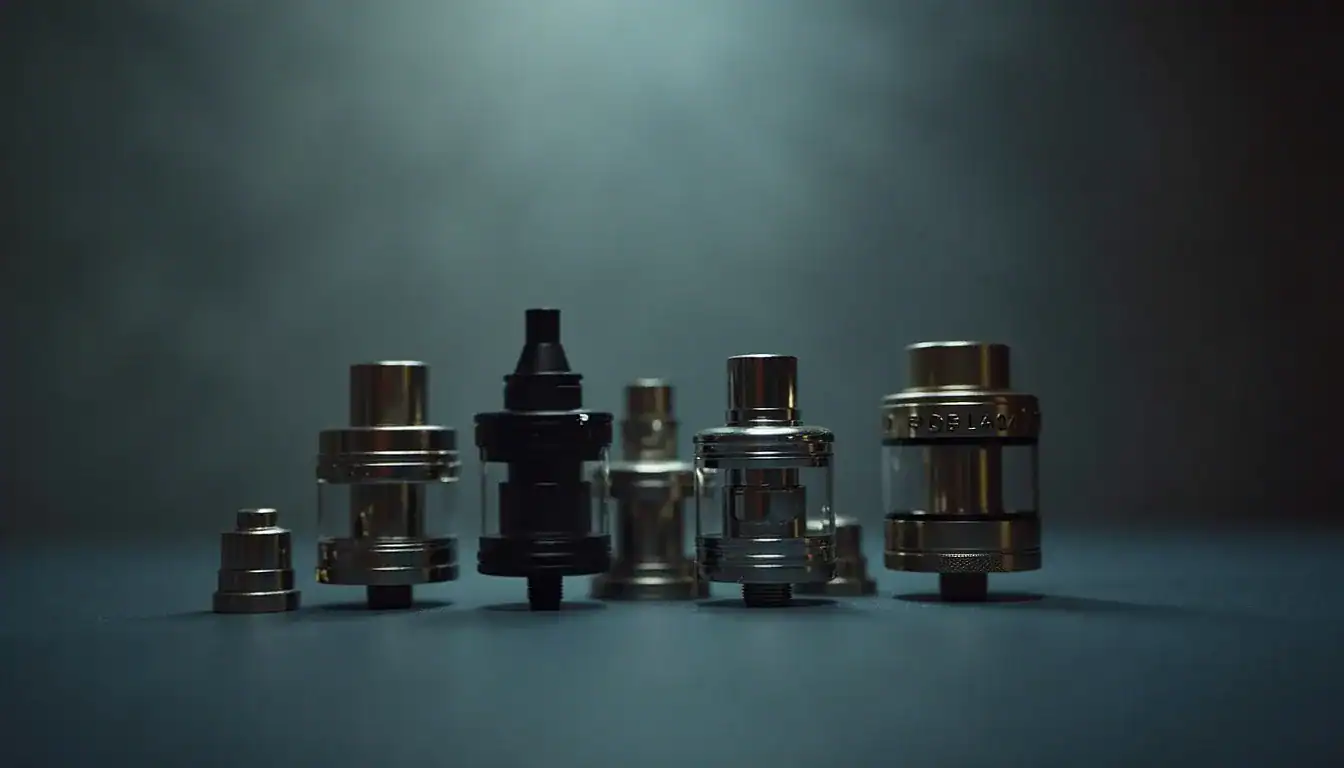
Single-coil RDAs are smaller, easier to build on, and produce tighter draws. Great for MTL (mouth-to-lung) vapers who want flavor without massive clouds. Understanding the difference between MTL and direct lung vaping is genuinely useful before selecting your first RDA deck style.
Dual-coil RDAs produce more vapor and suit cloud chasers. They consume more power and juice — so battery life takes a hit.
Mesh RDAs swap a round wire coil for a flat mesh strip. The contact surface area is massive, which explains why mesh RDAs consistently top flavor rankings. Taste is your priority in 2026? Go mesh. That’s not a controversial take anymore.
Squonk-compatible RDAs have a hollow 510 pin that lets e-liquid feed up from a bottle inside the mod. Less dripping, same performance. Worth considering if you want that quality without constantly reaching for your bottle.
Top RDA Atomizers Reviewed
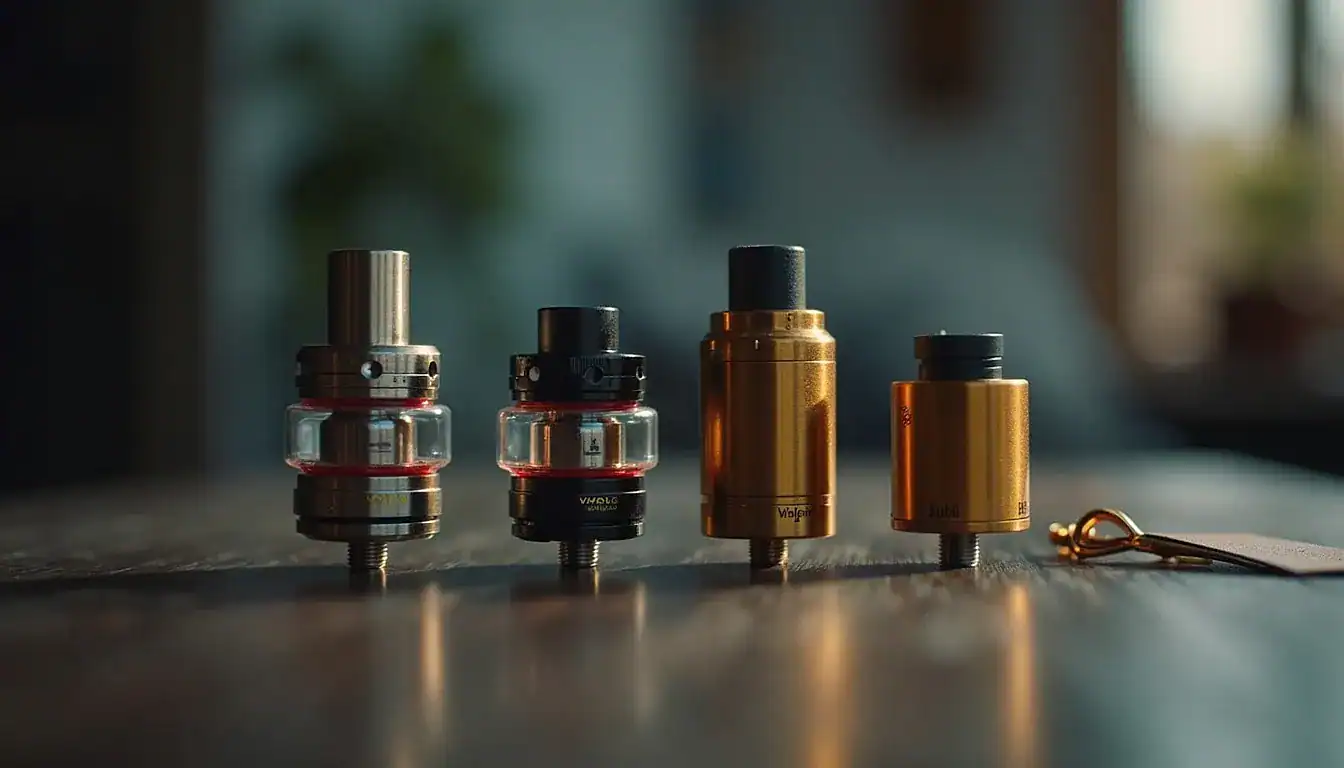
Dead Rabbit 3 RDA
Hellvape’s Dead Rabbit 3 is one of the most praised RDAs among experienced vapers right now. It runs a 25mm diameter with a postless deck supporting both dual and single coil builds. The juice well is deep. Airflow enters via dual side slots you can adjust independently — one side tighter, one more open, depending on what you want.
Flavor production is excellent, and it ships squonk-compatible straight out of the box. That alone puts it ahead of many competitors at this price. Available on amazon.com for around $35–$40.
✓ Pros
- Postless deck makes coil installation straightforward
- Deep juice well reduces re-dripping frequency
- Squonk-compatible 510 pin included
- Excellent flavor at a mid-range price
✗ Cons
- 25mm diameter creates overhang on some mods
- Airflow can whistle slightly at fully open settings
Wotofo Profile RDA
The Wotofo Profile remains a benchmark for mesh RDA performance — and it’s one I’d recommend without hesitation to anyone who puts flavor first. It uses a 24mm mesh deck with even juice channels that feed the mesh strip consistently. No dry hits when you prime it right. No hot spots.
Airflow is wide and smooth, directed straight at the mesh. It pairs well with pre-built mesh strips or hand-cut options. Pricing sits around $30–$40 on amazon.com. For more on Wotofo’s build quality across their lineup, the Wotofo Recurve RDA review is worth your time.
✓ Pros
- Mesh deck produces exceptional, consistent flavor
- Even juice channels prevent dry hits
- Straightforward build process
- Strong performance-to-price ratio
✗ Cons
- Wide airflow isn’t suited to MTL vaping
- Mesh installation takes a little practice initially
Augvape Templar RDA
The Augvape Templar is a solid 24mm dual-coil RDA that punches well above its price. Three-post design, wide terminal holes — most wire gauges fit without a fight. Airflow enters from the bottom and sides, giving you real control over draw character.
The juice well handles a dual-coil setup without constantly running dry. A knurled top cap stays locked during travel. See our AugVape Templar RDA review for full build specs. Available on amazon.com around $30–$40.
✓ Pros
- Wide terminal holes accommodate most wire gauges
- Combined bottom and side airflow gives precise draw control
- Secure, knurled top cap
- Strong vapor and flavor balance
✗ Cons
- Not squonk-compatible
- Bottom airflow can leak if juice well is overfilled
Digiflavor Drop Solo RDA
The Digiflavor Drop Solo is a 22mm single-coil RDA built for flavor. Compact enough for a standard tube mod, it delivers surprisingly intense taste for its chamber size. A two-post deck means quick coil installation — no fiddling with extra posts and tiny screws. Dual side airflow slots adjust smoothly.
This is my pick for anyone moving from a tank who wants to try RDA vaping without a steep learning curve. Pricing runs around $25–$35 on amazon.com.
✓ Pros
- 22mm fits most mods without any overhang
- Two-post deck — fast and simple to build on
- Strong flavor from a compact chamber
- Adjustable dual-slot airflow
✗ Cons
- Smaller juice well than larger-diameter RDAs
- Single coil limits maximum vapor output
RDA Comparison Table
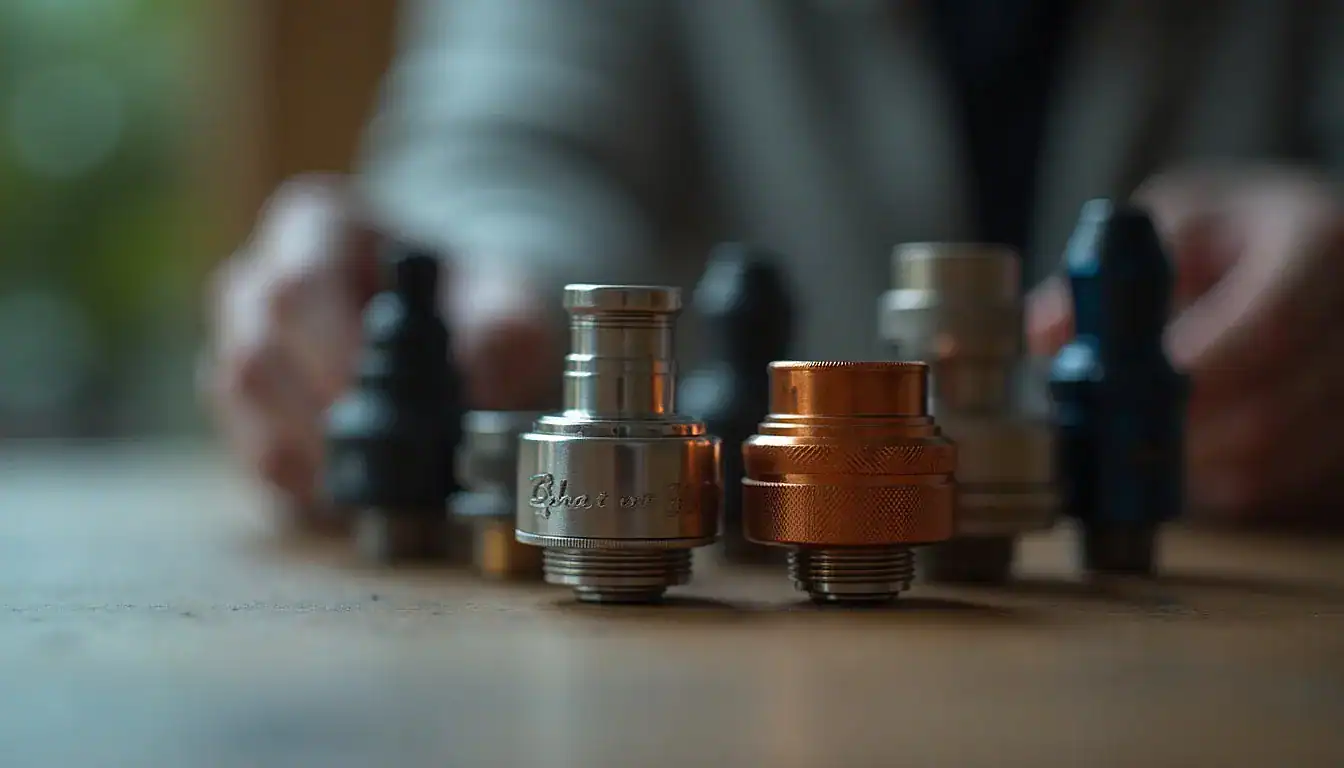
| RDA | Diameter | Coil Type | Airflow | Squonk Ready | Approx. Price |
|---|---|---|---|---|---|
| Dead Rabbit 3 | 25mm | Dual / Single | Side adjustable | Yes | ~$35–$40 |
| Wotofo Profile | 24mm | Mesh | Side wide-open | No | ~$30–$40 |
| Augvape Templar | 24mm | Dual | Bottom + side | No | ~$30–$40 |
| Digiflavor Drop Solo | 22mm | Single | Side adjustable | No | ~$25–$35 |
How to Choose the Right RDA for You
Still unsure which direction to go? Here’s a practical breakdown.

Flavor is your top priority? Go with a mesh RDA. The Wotofo Profile is the obvious choice — nothing in this price range beats it for taste in 2026. Cloud production matters more? A dual-coil build with wide airflow handles that well — the Dead Rabbit 3 fits that role, and squonk compatibility comes as a bonus.
Brand new to RDAs? Start with the Digiflavor Drop Solo. Small deck, forgiving build, very little to overwhelm you. And if you hate the constant dripping that comes with RDA life, a squonk-compatible option paired with a matching mod solves most of that frustration.
Whatever you land on, run it on a regulated mod with short-circuit and low-resistance protection. Check our guide on choosing the right battery for your mod before your first build session. Poor battery choice is the most common — and most avoidable — mistake new builders make.
Finding the right RDA ultimately comes down to knowing what you actually want from vaping. Nail that part, and the decision gets a lot easier.
Frequently Asked Questions
What is an RDA atomizer and how does it work?
An RDA (rebuildable dripping atomizer) is a vape atomizer where you build your own coils and drip e-liquid directly onto the cotton wick every few puffs. Unlike tanks, RDAs hold only a small amount of juice in a well beneath the coils. That direct contact between fresh e-liquid and a hot coil produces the intense flavor and dense vapor that makes RDAs so popular with experienced vapers.
Are RDAs suitable for beginners?
RDAs have a steeper learning curve than standard tanks, but a simple single-coil 22mm option like the Digiflavor Drop Solo is a manageable starting point for motivated beginners. You’ll need to learn basic coil building and wicking, and you should always start on a regulated mod — never a mechanical mod — until you understand battery safety and Ohm’s law properly.
How often do you need to drip on an RDA?
Most RDAs need re-dripping every 5–10 puffs depending on juice well depth and how hard you’re vaping. Deeper wells stretch that interval out considerably. Squonk-compatible RDAs largely solve the problem by feeding liquid up from a bottle reservoir inside the mod — you get the same RDA performance without constant manual dripping.
What’s the difference between an RDA and an RTA?
An RDA requires you to drip e-liquid manually onto the wick, while an RTA (rebuildable tank atomizer) feeds liquid from a tank automatically. RTAs are more convenient for all-day use; RDAs generally produce better flavor and vapor intensity. Our full RDA vs RTA comparison breaks down which suits different vaping styles in more detail.
Do I need a special mod to use an RDA?
Most RDAs use a standard 510 connection and will fit the vast majority of regulated box mods. No special hardware is required — but your mod must handle the coil resistance of your build safely. Squonk RDAs are the exception: they need a squonk-specific mod with an internal e-liquid bottle to take advantage of the bottom-feed pin.
What coil resistance should I use in an RDA?
Dual-coil builds typically land between 0.1 and 0.3 ohms, requiring a high-output regulated mod. Single-coil builds usually run 0.3–0.6 ohms — more forgiving and easier to manage for newer builders. Match your target resistance to your mod’s supported output range, and always stay within safe operating limits for your battery.
Sources
- Hellvape Dead Rabbit 3 official product documentation
- Wotofo Profile RDA product specifications
- Augvape Templar RDA official specs
- Digiflavor Drop Solo official release data
- SmokeTastic internal editorial review and testing notes