
Updated 2026-06-24 — Originally published 2016-09-08
Best Vape Pens in 2026 — Find The Vaporizer Pen To Suit You
Vape pens have been around since 2011, but the category looks nothing like it did back then. If you’re trying to find the best vape pens in 2021 and beyond — stepping up from a cigalike, ditching a pod system, or just wanting something more portable than a full box mod — this guide cuts through the noise and tells you exactly what to look for.
Key Takeaways
– Vape pens split into three main types: e-liquid, dry herb, and wax/oil — each suits a different user
– Battery capacity matters more than physical size — don’t pick the smallest pen just because it looks sleek
– Sub-ohm vape pens need at least 1000mAh to handle the extra power demand
– AIO (All-in-One) pens are the easiest entry point for new vapers
– CBD e-liquids have largely replaced dry herb and wax pens for most casual users
What Is a Vape Pen?
Simple answer: a tubular battery with a tank screwed on top. That’s the core design — and it hasn’t changed much since Joyetech released the original EGO back in 2011.
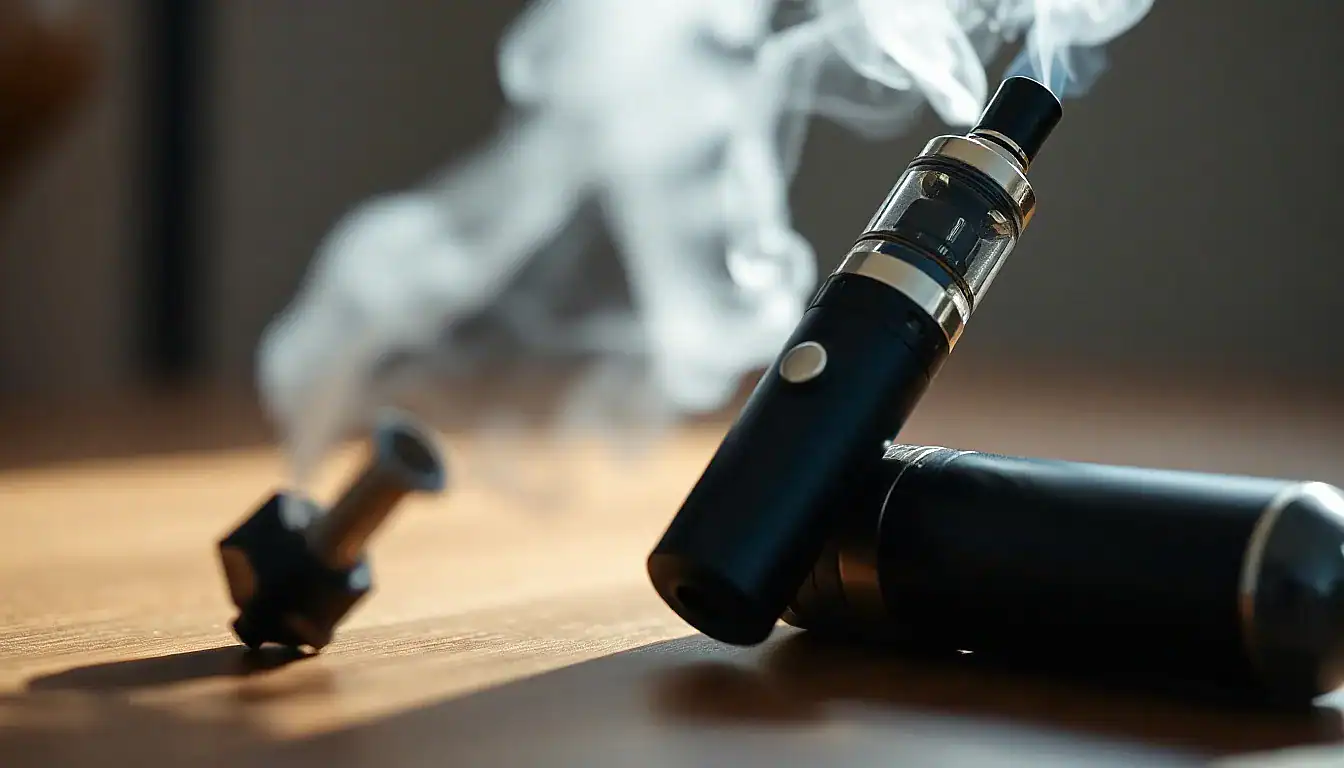
What HAS changed is everything else. Power output, coil technology, battery life, and flavor quality have all come a long way. Early vape pens competed directly with cigalike e-cigarettes — and won, mostly because they held more battery and produced a noticeably stronger hit.
By the mid-2010s, nearly every manufacturer had cloned Joyetech’s EGO design. The EVOD-style pen flooded the market. And now, the options are genuinely overwhelming — which is exactly why a guide like this still gets searched. Whether you’re new to vaping or reassessing what you’re using, the best vape pens in 2021 set benchmarks that current devices have built on significantly.
Not sure if a vape pen is even the right device for you? Check out our Types of Vapes Explained guide — it covers every device category with honest pros and cons.
The Different Types of Vape Pens
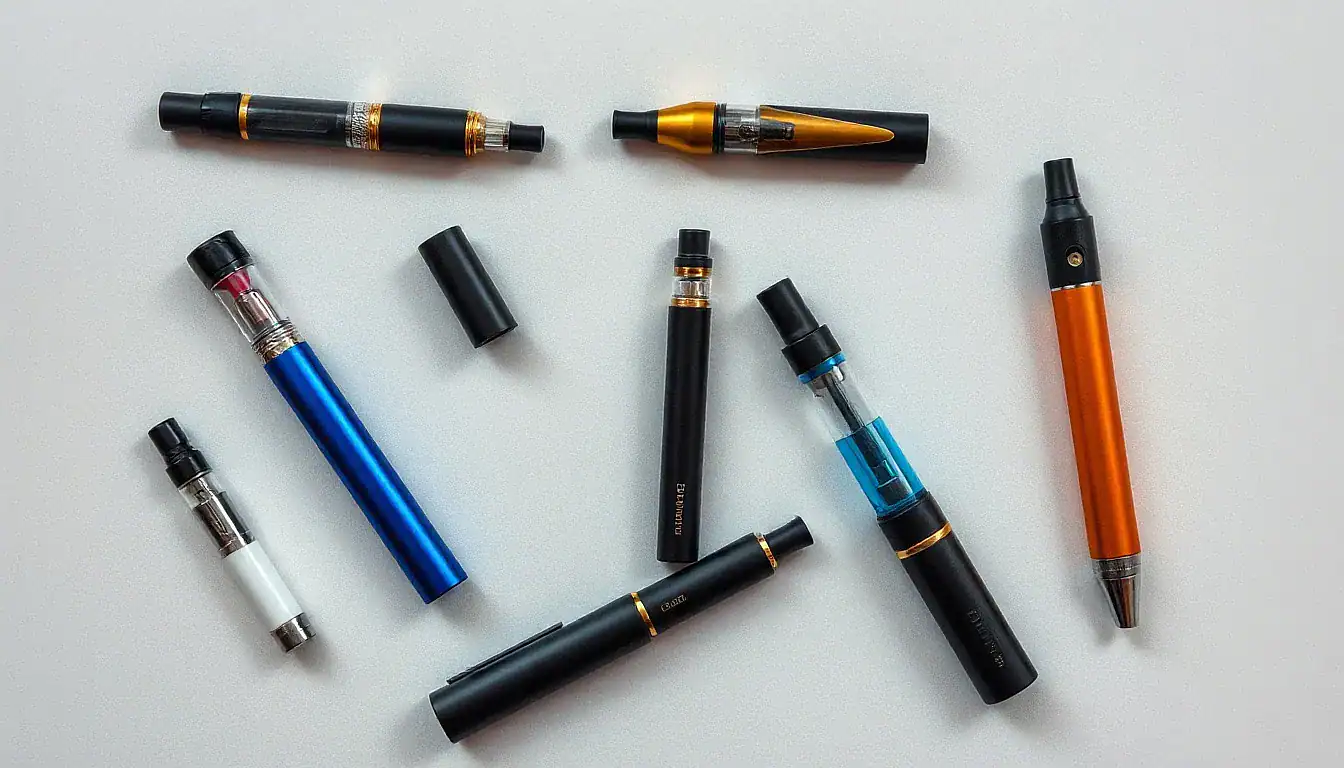
Vape Pens for E-Liquid
This is what most people picture when they say “vape pen.” It uses standard e-liquid — nicotine-based or CBD — and works similarly to other e-cigarettes on the market. By far the most popular type.
Three sub-types are worth knowing:
AIO (All-in-One) Vape Pens
The simplest option available. The tank is built directly into the body — no screwing parts together, no wattage menus to dig through. Fill it, charge it, vape. That’s genuinely it. This is where I’d tell most beginners to start. The Aspire PockeX is a strong example — compact, reliable, and zero faff.
Traditional / EGO-Style Vape Pens
The classic design. You unscrew the tank from the battery, swap coils when the flavor drops off, and press a fire button to produce vapor. Five quick clicks powers it on or off. More control than an AIO without the complexity of a full mod setup.
Sub-Ohm Vape Pens
Physically bigger than standard pens — and for good reason. Sub-ohm devices need 30W or more to function properly, compared to the 5–15W a traditional pen uses. Coil resistance sits below 1 ohm (around 0.5 ohm is the sweet spot), producing more vapor and richer flavor. These suit vapers who prefer a direct lung inhale style over the tighter mouth-to-lung draw that ex-smokers usually prefer.
Vape Pens for Dry Herb (Vaporizers)
A completely different animal. Instead of a tank, you get a chamber — called an oven — where you pack dry herbs. The device heats the material to between 350°F and 420°F, keeping it below combustion temperature so you get vapor instead of smoke.
The concept is sound. But dry herb pens have real limitations in practice. Inconsistent heat distribution, cleaning hassles, and weaker vapor output compared to a solid e-liquid setup. They were more popular five or six years ago. The rise of CBD e-liquids pulled a lot of users away — and honestly, for most people, that’s the right call. CBD vape juice is cleaner, more consistent, and far easier to maintain.
If you’re specifically interested in the cannabis side of things, our piece on the benefits of vaping cannabis goes deeper.
Vape Pens for Wax or Oil (Dab Pens)
Wax pens use a concentrated extract placed directly into a heated chamber rather than liquid or loose herb. This is what people know as “dabbing.” The concentrate vaporizes quickly at high temperatures and delivers a potent hit.
Some manufacturers combine dry herb and wax functionality into one device with interchangeable chambers. Convenient in theory — in practice, most users settle on one or the other and stick with it.
Like dry herb pens, wax vaporizers have lost mainstream appeal. They still have a dedicated user base, but they’re a niche pick now rather than a go-to option.
What to Look for When Buying a Vape Pen

Battery Capacity — Don’t Get Fooled by Size
Smaller isn’t automatically better. A tiny pen looks great in your pocket, but a smaller body means a smaller battery. Most compact pens run at 5–15W and pair with higher-resistance coils around 1.5 ohm — perfectly fine for mouth-to-lung vaping, and genuinely good for ex-smokers making the switch.
The trade-off is simple: smaller battery means fewer puffs before you’re hunting for a charger. If you vape heavily throughout the day, that matters a lot.
Moving Up From Cigalikes or Pod Vapes?
Coming from a cigalike or pod system and craving more vapor and a stronger throat hit? A vape pen is the logical next step. Look for something that supports both mouth-to-lung AND direct lung vaping — that flexibility pays off as your preferences evolve.
For sub-ohm vaping, aim for a battery above 1000mAh. Sub-ohm coils draw roughly four times more power than standard coils. A weak battery can’t sustain consistent output — you’ll notice the difference immediately.
Matching Wattage to Your Style
- 5–15W — standard MTL vaping, any decent pen handles this easily
- 15–30W — mid-range vaping, look for adjustable wattage options
- 30W and above — sub-ohm and direct lung, you need a proper sub-ohm pen with a larger battery
Coil resistance follows the same logic. Above 1 ohm suits mouth-to-lung vapers. Below 1 ohm is sub-ohm territory — bigger clouds, more flavor intensity, higher power draw. Around 0.5 ohm is where most sub-ohm beginners land comfortably.
Who Actually Benefits From a Vape Pen?
Vape pens hit a sweet spot. More powerful than cigalikes and pod systems, less complicated than full box mods. That makes them a natural fit for ex-smokers who want more satisfaction than a cigalike delivers, and for vapers stepping up from pods who aren’t ready to manage a mod.
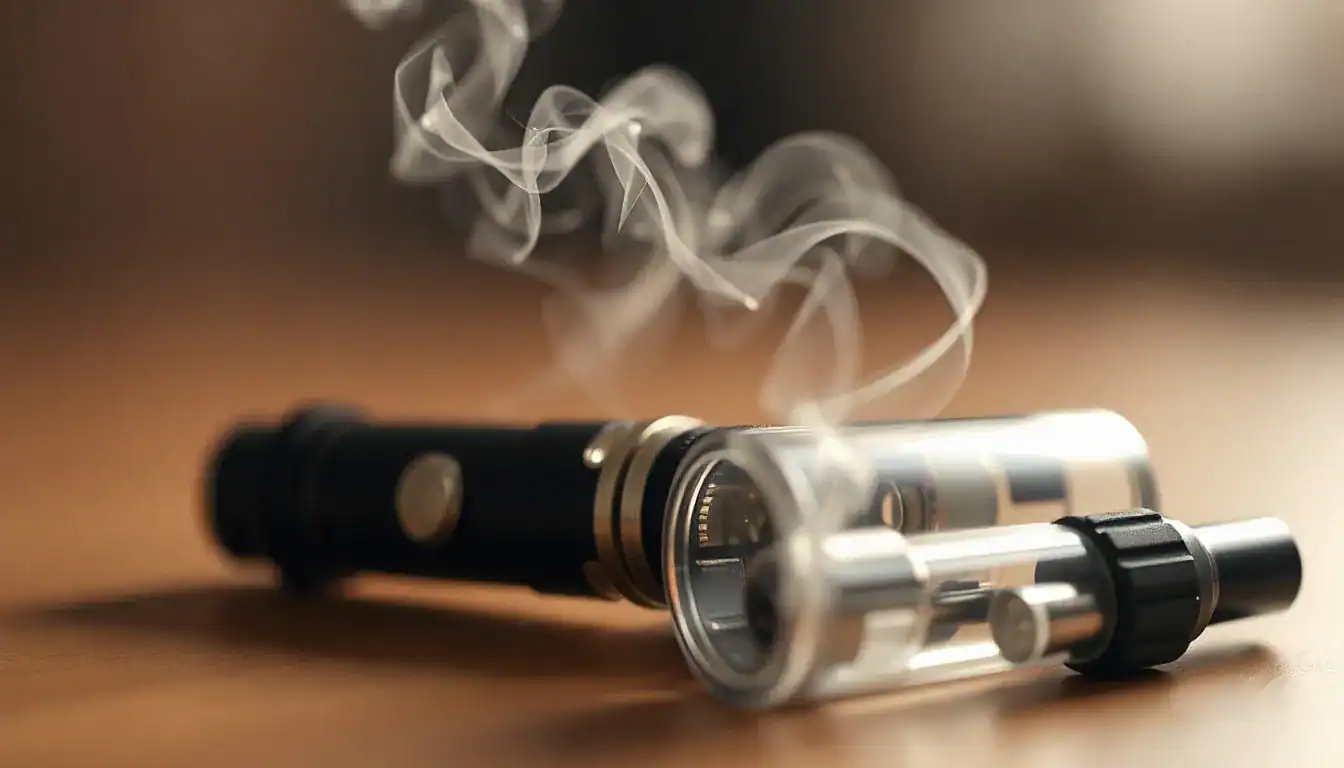
They’re also solid for CBD users who want something discreet but capable.
But they’re not for everyone. Cloud chasers who want maximum output will hit the ceiling fast. Complete beginners who’ve never vaped before might find even a basic pen more fiddly than expected — if that’s you, start with our Beginner’s Guide to Vapes before committing to anything.
And if you’re unsure whether a pen, pod, or mod suits you best, the Vape Finder Quiz on SmokeTastic takes about 60 seconds and gives you a straight answer.
The Bottom Line
The vape pen category has matured well past its EGO clone origins. You’ve got dead-simple AIO devices at one end and powerful sub-ohm pens that rival entry-level box mods at the other.
Pick your type first. Then match your battery to your wattage needs. The best vape pens — whether you’re revisiting recommendations from the best vape pens in 2021 era or shopping fresh in 2026 — are the ones that actually fit how you vape. Not the prettiest ones on the shelf. The right ones for you.