
Updated 2026-06-27 — Originally published 2015-09-15
Key Takeaways:
– A sub ohm tank uses coils with a resistance below 1.0 ohms, producing more vapor and stronger flavor than standard tanks
– Sub ohm tanks pair best with a box mod — starter kit batteries usually can’t deliver enough power
– They work best with high-VG e-liquids (70VG/30PG or higher) for the thickest clouds and richest flavor
– Expect to pay $25–$60 for a quality sub ohm tank in 2026, with replacement coils running $3–$6 each
– Sub ohm vaping isn’t for everyone — it uses more e-liquid, produces bigger clouds, and delivers a direct lung hit
So, What Is a Sub Ohm Tank?
How Does Sub Ohm Vaping Actually Work?
Sub Ohm Tank vs. Standard Tank
The Real Benefits of Sub Ohm Vaping
E-Liquid: What Actually Works in a Sub Ohm Tank
Nicotine Strength — Get This Right
What to Look for When Buying a Sub Ohm Tank
Is Sub Ohm Vaping Right for You?
So, What Is a Sub Ohm Tank?
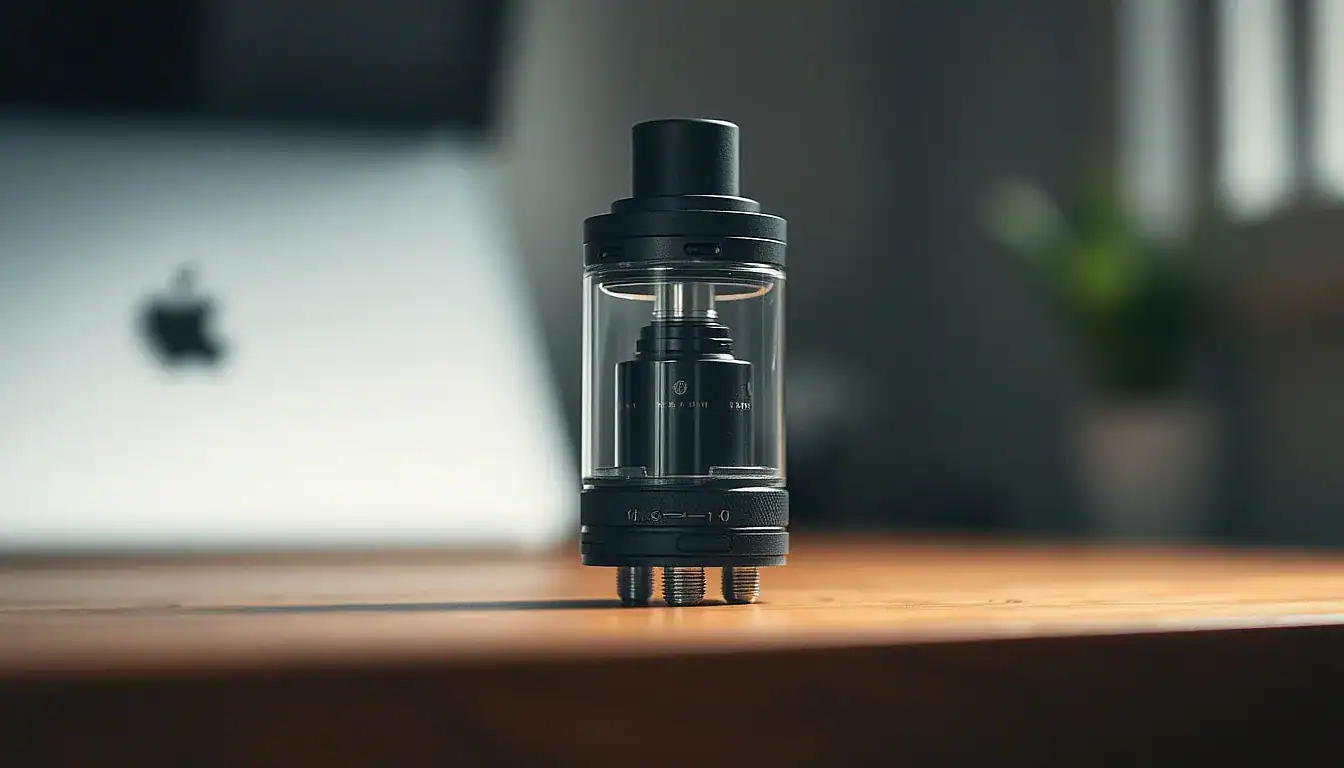
If you’ve been vaping for a while and keep hearing the term, here’s the short answer: a sub ohm tank is any vape tank that uses coils with a resistance below 1.0 ohms. That’s it. Below one ohm — that’s where the “sub” comes from.
But the full picture is more interesting than that.
Standard vape tanks typically run coils at 1.0 ohms or above. Sub ohm tanks drop that resistance — sometimes as low as 0.1 or 0.15 ohms — which changes how the device performs completely. Lower resistance means more current flows through the coil, more heat gets generated, and more e-liquid gets vaporized with every puff. The result? Bigger clouds, bolder flavor, and a warmer, airier draw.
If you’re still getting your bearings with vaping in general, our beginner’s guide to vapes is a solid place to start before going further here.
How Does Sub Ohm Vaping Actually Work?
Every vape device is essentially an electrical circuit. Your battery sends current through a coil wrapped around wicking material soaked in e-liquid. The coil heats up, vaporizes the liquid, and you inhale the vapor.
Resistance — measured in ohms — controls how much current flows. Lower resistance means higher current, more heat, and faster vaporization. Here’s the basic chain reaction:
- Coil resistance drops below 1.0 ohms
- Amperage through the coil increases
- More heat spreads across a larger coil surface area
- More e-liquid gets vaporized per puff
- You get bigger, denser vapor clouds
That’s the core mechanic. Nothing mystical — just basic electrical physics applied to vaping.
One important note: sub ohm tanks demand more from your battery. You’ll almost always need a box mod to run them properly — something that outputs at least 30 watts, and ideally 50–100W for the best performance. The stock battery in a beginner starter kit won’t cut it.
Sub Ohm Tank vs. Standard Tank
A standard tank — often called a clearomizer or mouth-to-lung (MTL) tank — runs coils at 1.0 ohms or higher. It’s designed for a tighter, more cigarette-like draw. Lower vapor production, more focused nicotine delivery. Great for beginners or anyone switching from cigarettes.
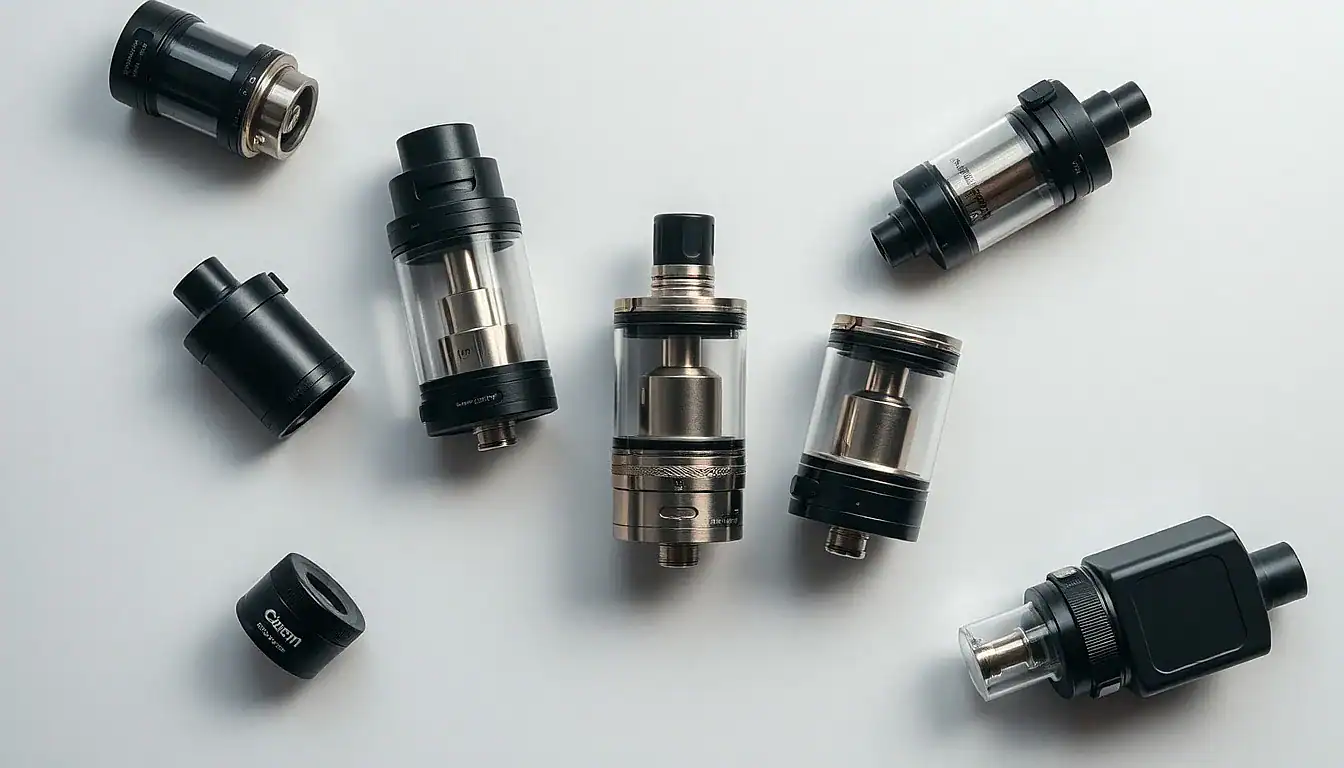
A sub ohm tank runs below 1.0 ohms. It’s designed for a direct lung inhale — you breathe vapor straight into your lungs like a deep breath rather than pulling it into your mouth first. The draw is looser, clouds are much bigger, and the flavor hits differently.
Honestly, the flavor difference is the most underrated selling point. Clouds are impressive, sure. But the way a good sub ohm tank opens up a complex e-liquid — layered fruit blends, dessert flavors — that’s what keeps experienced vapers hooked. Want a full breakdown of inhale styles? Our guide on the difference between mouth to lung and direct lung inhale covers it well.
The Real Benefits of Sub Ohm Vaping
More Vapor Production
More power, more heat, more vapor. Sub ohm tanks produce genuinely massive clouds — the kind you see at vape meetups and in online communities. For cloud chasers, this is the whole point.
Stronger, More Complex Flavor
More vapor means more flavor molecules hitting your palate at once. High-quality e-liquids really shine through a sub ohm setup. The flavor is richer and more layered than what you’d get from a standard tank — full stop.
Warmer Vapor
Sub ohm coils run hotter, which produces a warmer inhale. For ex-smokers, that warmth feels more familiar and satisfying. It’s one reason sub ohm vaping works well as a smoking replacement for certain people — though it’s not the right fit for everyone. If you’re exploring vaping to quit smoking, this guide covers it in detail.
Coil Customization
Most decent sub ohm tanks give you coil options. Swap between different resistance levels and coil types — mesh coils, Clapton coils, and others — to fine-tune your experience. Some tanks also include an RBA (rebuildable atomizer) section for vapers who want to build their own coils from scratch.
E-Liquid: What Actually Works in a Sub Ohm Tank
This matters more than most beginners realize.

Sub ohm tanks work best with high-VG e-liquids — typically a 70VG/30PG ratio or higher. VG (vegetable glycerin) is thicker and produces denser vapor. PG (propylene glycol) is thinner, carries flavor sharply, but produces less vapor overall.
Thin, high-PG liquids can flood a sub ohm coil and cause leaking or a harsh burnt taste. Stick to max-VG or high-VG blends and you’ll get far better results. For a full breakdown of PG vs. VG ratios, our e-liquids PG and VG guide explains everything clearly.
Sub ohm vaping also burns through e-liquid fast. A tank that lasts all day on a regular setup could be empty by lunch on a sub ohm rig. At typical US prices in 2026, running a sub ohm setup daily can add $30–$60 per month in juice costs depending on how heavily you vape.
Nicotine Strength — Get This Right
Don’t run high-nicotine e-liquid through a sub ohm tank. The increased vapor production means you absorb far more nicotine per puff than you would through a standard setup. Something like 12mg or 18mg will feel genuinely unpleasant — harsh throat hit, possible dizziness.
Most sub ohm vapers use 3mg or 6mg freebase nicotine. Some experienced vapers drop to 0mg and vape purely for flavor and clouds.
Coming straight from cigarettes? A standard MTL setup with higher nicotine is the smarter starting point. Sub ohm is something you graduate to once you’ve found your footing.
What to Look for When Buying a Sub Ohm Tank
The market has matured significantly. In 2026, you’ve got solid options at every price point — but not all tanks are equal. Here’s what actually matters when you’re shopping:
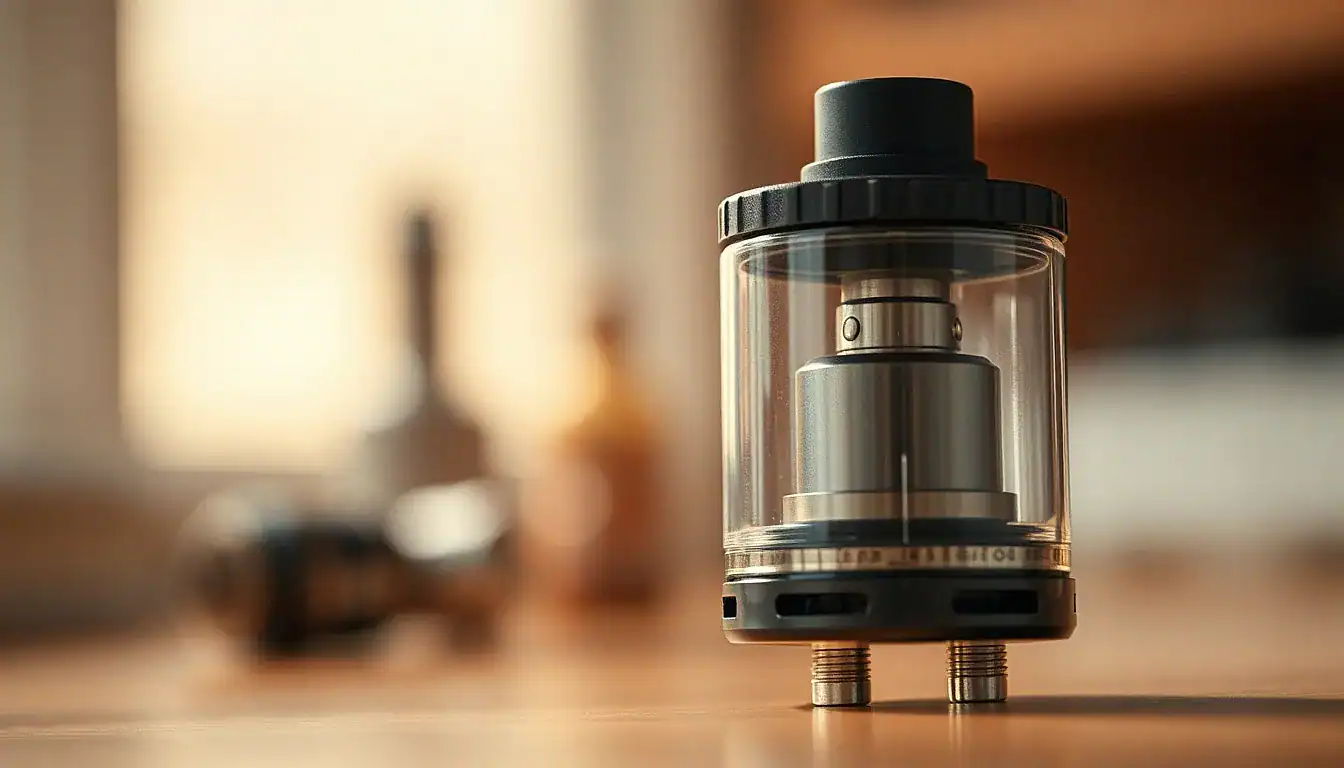
Coil availability — Can you easily find replacement coils at US vape shops or on amazon.com? Some tanks use proprietary coils that go out of stock constantly. Stick with established brands that have reliable supply.
Juice capacity — Sub ohm tanks chew through e-liquid. Look for at least 4–5ml capacity to avoid constant refilling.
Leak resistance — Leaking is the most common complaint with sub ohm tanks. Mesh coil designs have improved this dramatically compared to older builds. Read real user reviews before buying.
Airflow control — Adjustable airflow lets you tune your draw. Tighter for more flavor, looser for bigger clouds. It’s a small feature that makes a real difference day to day.
Price — Budget $25–$60 for a quality tank. Replacement coil packs run $12–$18 for a five-pack at most US vape retailers. Don’t cheap out on a no-name tank — you’ll end up replacing it within a month.
For a ranked list of the best options available right now, check out our best vape tanks roundup.
Is Sub Ohm Vaping Right for You?
Not for everyone — and that’s fine.
If you’re a beginner who just quit smoking, a sub ohm tank is probably overkill. The lung hit can feel overwhelming at first, the nicotine delivery is intense if you pick the wrong juice strength, and the hardware takes more knowledge to set up correctly.
But if you’ve been vaping a while and want better flavor, bigger clouds, or a warmer draw? Sub ohm is the natural next step. The difference between a good sub ohm tank and a basic starter setup is significant enough that most experienced vapers never go back.
One honest caveat: bigger clouds aren’t always appropriate. Plenty of US venues and public spaces have strict vaping rules — be mindful of your surroundings. And the increased e-liquid consumption is a real ongoing cost worth factoring in before you commit.
If you want to see how sub ohm tanks fit within the broader vaping picture, our types of vapes explained guide gives you the full context.
Quick FAQ
Do I need a special mod for a sub ohm tank?
Yes. You need a mod capable of at least 30 watts. Most vapers use a regulated box mod with adjustable wattage.
Are sub ohm tanks safe?
When used with a quality regulated mod and proper batteries, yes. Don’t run a sub ohm tank off a basic pen battery or unprotected mechanical mod unless you genuinely know what you’re doing.
Can I use regular e-liquid in a sub ohm tank?
You can, but thin high-PG liquids may leak and won’t perform well. High-VG blends are the right call.
What’s the difference between a sub ohm tank and an RDA?
An RDA (rebuildable dripping atomizer) is a different style of sub ohm vaping where you build your own coils and drip juice directly onto the wicks. Sub ohm tanks use pre-made replaceable coils — far more convenient for everyday use. Our difference between RDA and RTA article breaks this down further.