

7 Vape Wholesale Buyer Decision Factors for Supplier Selection in 2026
Updated 2026-07-17 — Originally published 2023-09-22
Picking a vape wholesale distributor isn’t just a paperwork exercise. It’s the decision that determines whether your shop stays stocked, your margins hold up, and your customers keep coming back. If you’re weighing vape wholesale buyer decision factors supplier selection criteria for the first time, or you’re rethinking a supplier relationship that’s gone stale, this guide breaks down the seven things that actually matter in 2026.
Key Takeaways
- Nail down your product mix and target customer before you contact a single distributor.
- Vet suppliers on reputation, product testing, and compliance — not just price sheets.
- Compare pricing structures and payment terms across at least three distributors before committing.
- Customer support responsiveness and shipping reliability often matter more than a slightly lower unit cost.
- Read contracts closely. MOQs, return policies, and exclusivity clauses can quietly limit your business.
1. Define Your Business Needs First
2. Research Potential Distributors Thoroughly
3. Assess Product Quality and Compliance
4. Compare Pricing and Payment Terms
5. Evaluate Customer Support
6. Check Shipping and Delivery Reliability
7. Review Contracts and Terms Carefully
1. Define Your Business Needs First
Figure out what you’re actually selling before you reach out to a single supplier. Are you stocking disposables, pod systems, box mods, e-liquids, or some mix of all four? Each category tends to have different specialist distributors, and trying to find one supplier who’s great at everything usually ends in disappointment.

Think about your customers too. A shop near a college campus probably needs a heavy disposable vape selection and budget-friendly beginner kits. A shop serving experienced vapers might lean harder into box mods and rebuildable gear. Knowing this upfront saves you from wasting time on distributors who don’t carry what your customers want anyway.
This step sounds obvious. It’s also the one most new buyers skip — and it’s usually the first thing that comes back to bite them three months in.
2. Research Potential Distributors Thoroughly
Once you know what you need, start digging. Industry directories, trade shows, and vaping business forums are still the best starting points — and honestly, a lot of the good intel still comes from just asking around.

Talk to other shop owners. Join retailer-focused groups. Ask specifically about fill rates, communication, and how a distributor handled a problem order, because that’s the stuff that never shows up on a polished sales page.
✓ Pros
- Peer recommendations reveal real-world reliability, not marketing claims
- Trade shows let you meet reps and inspect products face-to-face
- Online reviews can flag chronic shipping or billing issues early
✗ Cons
- Research takes real time you might not feel you have
- Online reviews can be sparse or unverifiable for smaller distributors
- What works for one retailer’s volume may not fit yours
Don’t rush this. A few extra days of research now beats months of headaches with a distributor who ghosts you after the first late shipment.
3. Assess Product Quality and Compliance
Quality is where vape wholesale buyer decision factors supplier selection gets serious, because it’s tied directly to legal risk, not just customer satisfaction. With PMTA enforcement and state-level flavor restrictions still shifting, buyers need distributors who can actually prove their products are authorized for US sale — not just claim it.
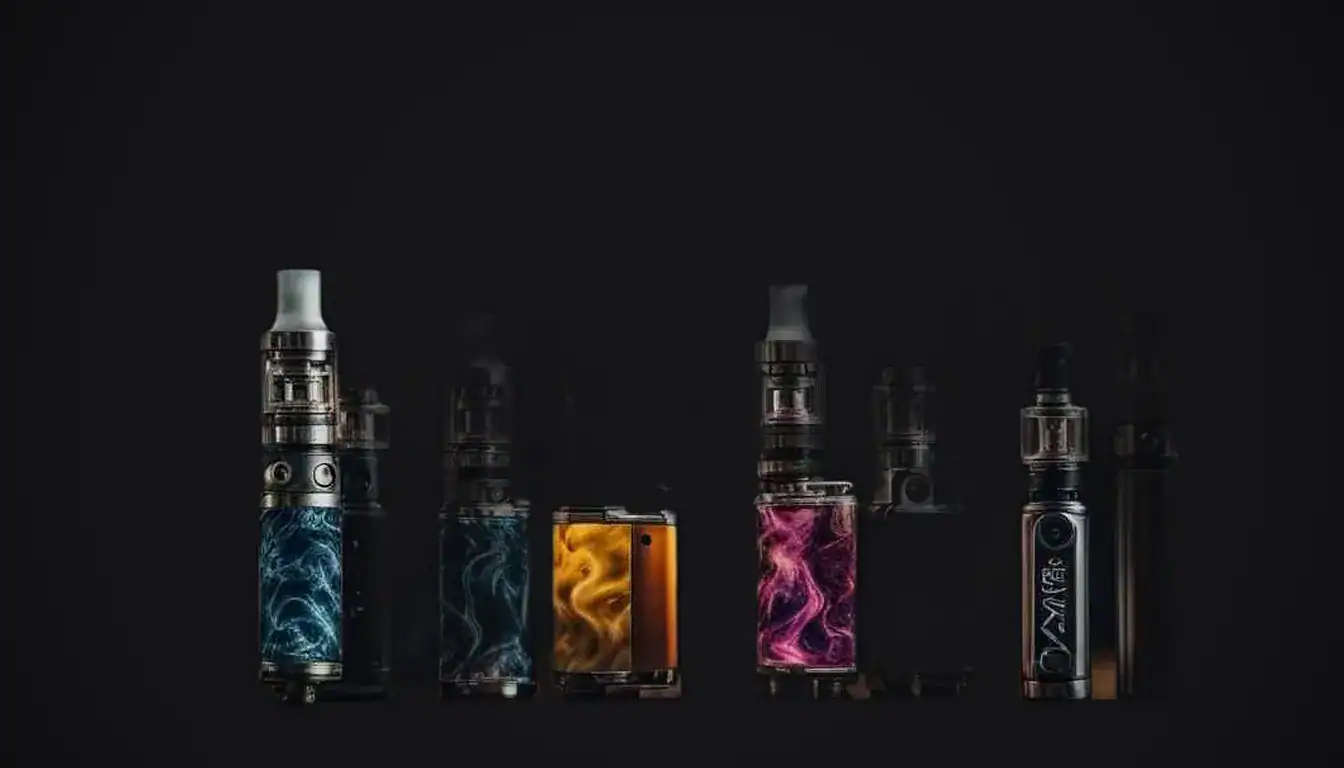
Ask for documentation. Legitimate distributors should be able to show manufacturing certifications, batch testing records, and confirmation that products have cleared FDA review where required. If a supplier gets cagey about paperwork, that’s a red flag, full stop.

Beyond compliance, look at the actual vaping experience: flavor consistency, vapor production, battery life, build quality. A distributor selling knockoff or gray-market stock might undercut everyone on price, but the returns and complaints you’ll deal with later usually cost more than the savings.
| Quality Factor | What to Check | Why It Matters |
|---|---|---|
| Compliance documentation | PMTA status, batch testing, safety certs | Protects you from regulatory action and seizures |
| Manufacturer reputation | Known brand vs. unlabeled generic stock | Reduces defect rates and return volume |
| Consistency | Flavor accuracy and device performance across batches | Keeps customers loyal and reduces refund requests |
| Packaging integrity | Tamper-evident seals, accurate labeling | Signals legitimate sourcing, not diverted product |
4. Compare Pricing and Payment Terms
Get quotes from at least three distributors before you commit to anyone. Prices for popular disposables and pod kits can vary by several dollars per unit between suppliers, and that adds up fast once you’re ordering in bulk.
But price isn’t the whole story. Payment terms matter just as much — net-30 terms versus prepayment-only can make or break your cash flow, especially if you’re a smaller retailer still building working capital. Some distributors offer tiered pricing once you hit certain order volumes; others don’t budge no matter how much you buy. Ask directly.
I’ll be blunt: a distributor who only offers “pay in full, upfront, no exceptions” is telling you something about how they view new accounts. It’s not necessarily a dealbreaker. But it’s worth factoring into your decision alongside everything else.
5. Evaluate Customer Support
Product quality gets you in the door. Customer support keeps you there. Test this before you sign anything — email a real question, call their support line, see how long it takes to get an actual answer instead of a canned response.
Shipping delays happen. Products arrive damaged sometimes. What separates a good distributor from a bad one is how they handle it when things go sideways: do they own the mistake and fix it quickly, or do you spend three weeks fighting for a refund?
✓ Pros
- Responsive suppliers catch and fix problems before they affect your customers
- Multiple contact channels (phone, email, chat) reduce resolution time
- A dedicated account rep often means faster restocks during shortages
✗ Cons
- Smaller distributors may lack dedicated support staff
- Response quality can vary wildly between reps at the same company
- Support quality is hard to judge until something actually goes wrong
6. Check Shipping and Delivery Reliability
Ask about shipping windows, carrier options, and tracking visibility before you place a first order, not after. A distributor who can’t give you a straight answer on typical delivery time is one you should think twice about.
Late shipments mean empty shelves. Empty shelves mean customers walking to your competitor down the street. That’s especially true for disposable vapes and other fast-moving categories where demand shifts quickly based on what’s trending.
Ask specifically about how they handle backorders and whether they’ll proactively notify you of delays. A supplier who tells you about a problem before you notice it yourself is worth a lot.
7. Review Contracts and Terms Carefully
Read the fine print. Minimum order quantities, exclusivity clauses, return policies, and termination terms all live in that contract, and they’ll shape your business for as long as you’re working with that supplier.
Watch for MOQs that don’t match your actual sales volume. Committing to more inventory than you can move ties up cash and shelf space. Also check return and defect policies closely; a distributor who won’t take back damaged goods is passing that risk straight onto you.
If contract language feels vague or one-sided, get a second opinion. A quick legal review before signing costs far less than untangling a bad agreement later. This is one of those vape wholesale buyer decision factors supplier selection guides can’t fully replace — sometimes you just need a lawyer’s eyes on the actual document.
Choosing the right partner touches every part of the business, from what’s on your shelves to how customers feel about your shop. For a broader look at sourcing strategy, The Ultimate Guide to Buying Wholesale Vapes covers the process in more depth, and it’s worth pairing with the practical checklist above.
Frequently Asked Questions
What’s the biggest mistake new vape retailers make when choosing a wholesale distributor?
Chasing the lowest price without checking compliance documentation or product quality first. Cheap stock that turns out to be gray-market or non-compliant can lead to fines, seizures, or a damaged reputation that costs far more than any savings on the unit price.
How many distributors should I compare before choosing one?
Three, at minimum. Comparing at least three gives you a realistic sense of market pricing, payment term differences, and service quality, without dragging the research process out for months.
Do vape wholesale distributors require a business license?
Yes. Nearly all legitimate US vape wholesale distributors require a valid business license, a tobacco/vape retail permit where applicable, and often a resale certificate. This protects both parties and confirms you’re a legitimate retail buyer, not an individual consumer trying to buy in bulk.
What questions should I ask about compliance before signing with a supplier?
Ask directly whether their products have PMTA authorization status, whether batches are tested for consistency, and whether they can provide documentation on request. A distributor who can’t answer clearly or gets defensive about the question is a warning sign.
Is it better to work with one distributor or several?
Many established retailers use two or three distributors to avoid being stuck if one runs into stock shortages, shipping delays, or business problems. It costs a bit more in coordination, but it protects you from a single point of failure in your supply chain.
How do payment terms affect a small vape shop’s cash flow?
Net-30 or net-60 terms let you sell inventory before the bill comes due, which frees up cash for other expenses. Prepayment-only suppliers can strain a smaller shop’s budget, especially during slow seasons, so it’s worth negotiating terms as your order history builds trust.


