
Updated 2026-06-28 — Originally published 2018-09-20
If you’re new to vaping — or just confused about why your technique feels off — you’re in the right place. Understanding how to vape and the different techniques of vaping comes down to one core decision: how you inhale. Get that wrong and you’ll cough, get too little nicotine, or wonder why your device tastes burnt. Get it right and the whole experience clicks into place.
This guide covers every main inhalation method, how to match your technique to your device, and the vape tricks worth knowing in 2026.
Key Takeaways
- There are two main inhalation techniques: mouth-to-lung (MTL) and direct-lung (DL)
- MTL mimics smoking — it’s the best starting point for ex-smokers
- DL inhaling produces bigger clouds and works best with sub-ohm devices
- Your device type should drive your technique, not the other way around
- Vape tricks are optional — but genuinely fun once you’ve nailed the basics
The Two Core Inhalation Techniques
Mouth-to-Lung (MTL) Vaping
Direct-Lung (DL) Vaping
MTL vs DL: Which One Should You Use?
Matching Your Technique to Your Device
Vape Tricks Worth Learning in 2026
Common Mistakes and How to Fix Them
The Two Core Inhalation Techniques
Most vaping guides overcomplicate this. Strip it back and there are really just two ways to inhale vapor — MTL and DL. Everything else builds on those two foundations.

The technique you choose affects nicotine delivery, vapor warmth, throat hit, and cloud size. It also determines which devices and e-liquids will actually work for you. Use the wrong combo and you’ll have a bad time.
Mouth-to-Lung (MTL) Vaping
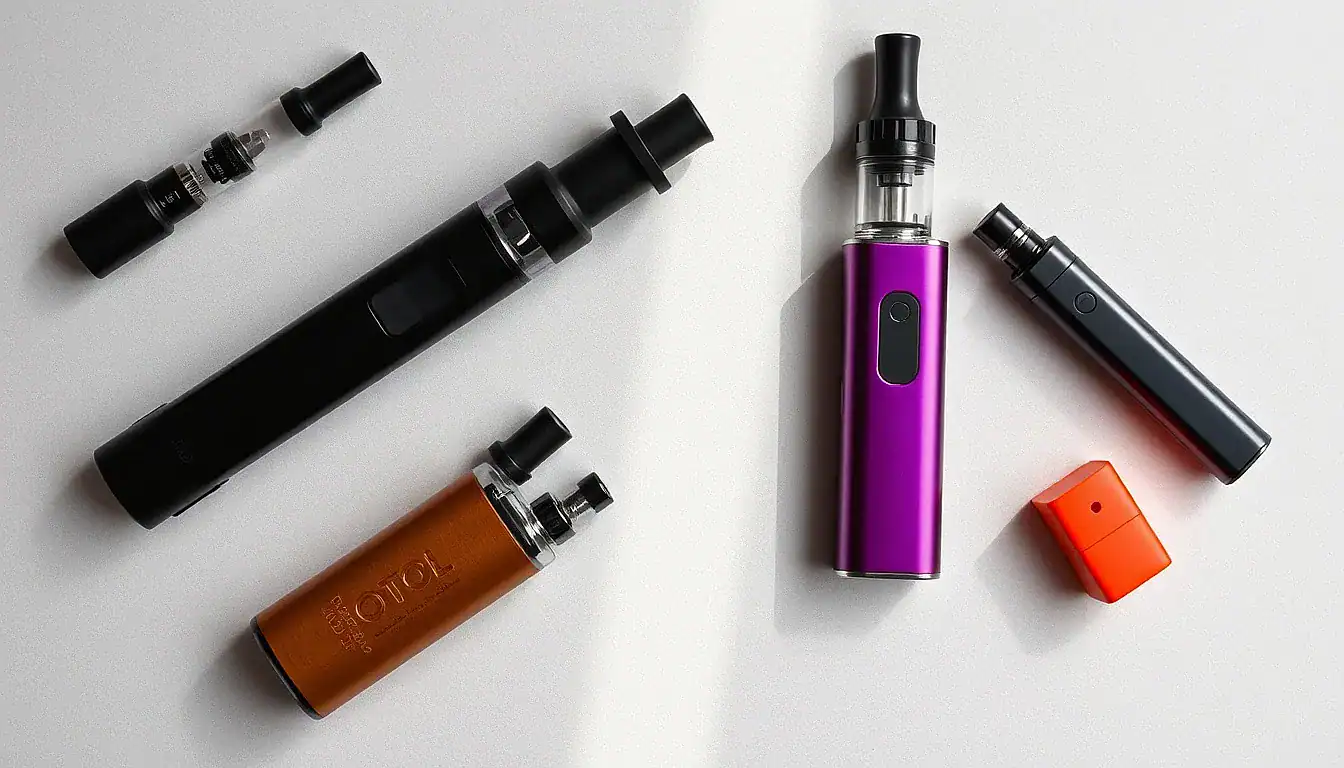
MTL is exactly what it sounds like. You draw vapor into your mouth first, hold it briefly, then inhale it into your lungs — just like smoking a cigarette.
How to do it:
- Press your fire button and slowly draw vapor into your mouth for 3–5 seconds
- Keep your mouth closed and hold the vapor there for a moment
- Open your mouth and breathe it into your lungs
- Exhale normally
The draw feels tighter. The throat hit is more pronounced. Nicotine hits more like a cigarette — which is exactly why MTL is my top recommendation for anyone switching from smoking. It’s the technique that makes the transition feel natural rather than foreign.
✓ Pros
- Closely mimics the sensation of smoking
- Better nicotine delivery for ex-smokers
- Works well with higher nicotine concentrations (12mg–50mg nic salts)
- Uses less e-liquid per puff
- Ideal for smaller, more discreet devices
✗ Cons
- Produces smaller clouds
- Can feel restrictive if you’re used to DL vaping
- Flavor intensity is lower than DL for some juice profiles
MTL devices typically fire at lower wattages (8–20W) and use coils above 1.0 ohm. Pod vapes and pen-style kits are natural MTL devices. If you’re just starting out, check our best beginner vape kits for 2026 to find an MTL-friendly setup.
Direct-Lung (DL) Vaping
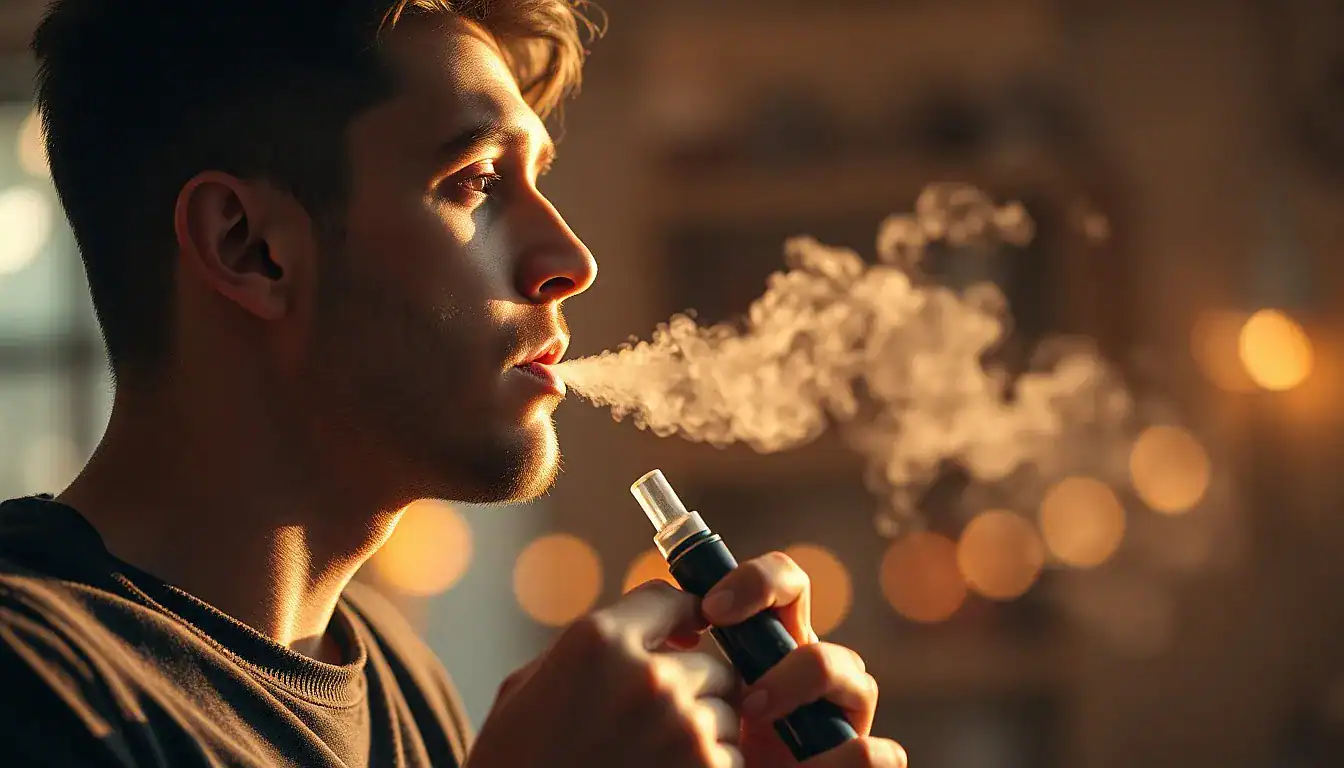
DL is the technique you see in cloud competition videos. You skip the mouth-holding step entirely — pulling vapor straight into your lungs in one continuous draw, like taking a deep breath through a wide-open straw.
How to do it:
- Press your fire button
- Inhale directly and continuously into your lungs — don’t pause vapor in your mouth
- Exhale immediately
The draw feels open and airy. Clouds are significantly larger. But — and this matters — DL vaping works best with lower nicotine levels. A 50mg nic salt on a DL device would be genuinely unpleasant. Harsh doesn’t begin to cover it.
✓ Pros
- Bigger, denser vapor clouds
- More intense flavor from the right e-liquids
- Smooth draw with no tight restriction
- Works great with high-VG freebase nicotine juices
✗ Cons
- Not suitable for high nicotine concentrations
- Uses significantly more e-liquid per session
- Devices are typically larger and more expensive
- Can cause coughing for new vapers
DL devices run at higher wattages — often 40W to 100W+ — and use coils below 0.5 ohm. A quality sub-ohm tank or an RDA setup gets the most out of this style.
MTL vs DL: Which One Should You Use?
Here’s the honest answer: it depends on why you’re vaping.
| Factor | Mouth-to-Lung (MTL) | Direct-Lung (DL) |
|---|---|---|
| Best for | Ex-smokers, beginners | Experienced vapers, cloud chasers |
| Nicotine strength | 12mg–50mg (nic salts) | 0mg–6mg (freebase) |
| Cloud production | Low to moderate | High to very high |
| Device wattage | 8–20W | 40W–100W+ |
| Coil resistance | Above 1.0 ohm | Below 0.5 ohm |
| E-liquid consumption | Low | High |
| Throat hit | Strong and defined | Smooth and airy |
| Device size | Small, discreet | Larger, box mod style |
Personally, I think MTL gets undersold in the vaping community. Cloud chasing looks impressive — but MTL delivers better nicotine satisfaction for most people, uses less juice, and works with devices small enough to actually fit in a jacket pocket. For the full breakdown, our guide on the difference between mouth to lung and direct lung inhale goes deeper on both styles.
Matching Your Technique to Your Device
This is where a lot of new vapers go wrong. They pick a device first, then try to figure out how to use it — instead of choosing a device that matches the technique they want.
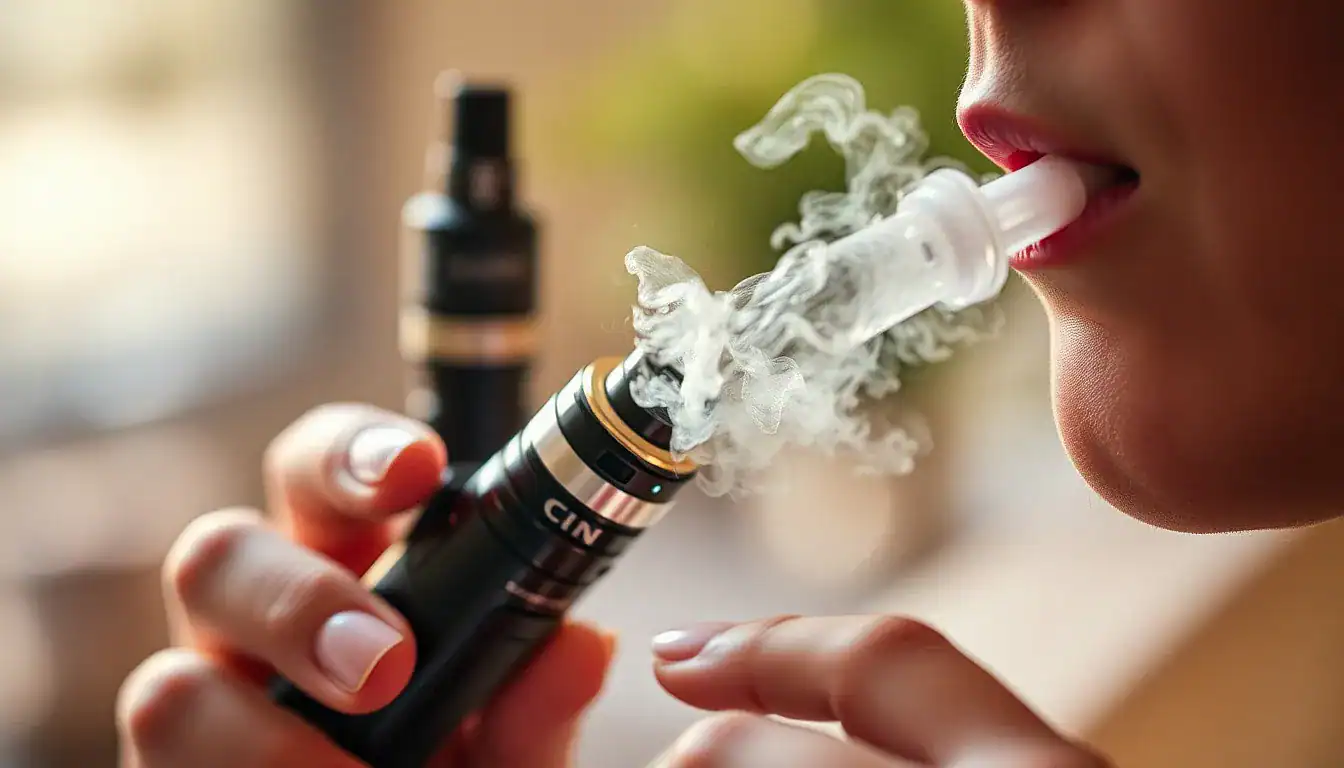
For MTL: Pod systems and pen kits are built for tight, MTL-style draws. Use nicotine salts at 20mg–50mg for the best experience. Devices like the Vaporesso XROS Pro 2 or SMOK Novo 6 Ultra are solid 2026 picks in this category.
For DL: Box mods paired with sub-ohm tanks or RDAs are the standard choice. You need wide-open airflow and coils that handle higher wattage without burning fast. Use high-VG (70/30 or 80/20 VG/PG) freebase nicotine juice at 3mg or 6mg.
One thing people often miss: adjustable airflow matters more than most vapers realize. Tighten the airflow ring and the draw pulls more like MTL. Open it fully and you’re in DL territory. Some devices — called “restricted direct lung” or RDL — sit right in the middle. That’s actually where I spend most of my vaping time these days. More flavor than full DL, more airflow than strict MTL.
Not sure which device suits your style? The Vape Finder Quiz takes about 60 seconds and points you in the right direction.
Vape Tricks Worth Learning in 2026
Tricks aren’t essential. But they’re satisfying to nail — and they give you a reason to practice your DL control. Here are the ones genuinely worth your time.
The O-Ring
The classic. Take a DL hit, form your lips into an “O,” and pulse short bursts of vapor out using quick throat movements — not your cheeks. Keep the puffs sharp. It takes a few tries to get the shape tight and round.
The Ghost Inhale
Take a slow hit and push a ball of vapor out of your mouth gently, then quickly suck it back in. The vapor “ghost” hangs in front of your face for a split second. Looks effortless. Takes practice.
The Dragon
Exhale vapor from both sides of your mouth and through your nose at the same time. Press your lips together at the center while exhaling hard out the corners. Dramatic? Yes. Worth learning? Absolutely.
The Jellyfish
Blow a large, stable O-ring, then send a smaller puff through the center. The smaller cloud passes through and creates a jellyfish shape trailing behind it. Hard to execute consistently — but when it works, it really works.
The Waterfall
Pour vapor slowly from your mouth into a glass or bottle, then tilt it so the vapor flows out like liquid. More of a visual party trick than a technical skill, but it’s a crowd-pleaser every time.
Common Mistakes and How to Fix Them
Even with the right technique locked in, small errors trip people up. Here’s what to watch for.
Coughing on inhale usually means you’re drawing too fast or using a nicotine strength too high for your device. With DL setups especially, slow the draw right down and give your lungs time to adjust.
Burnt taste almost always means your coil ran dry before you took the hit. Prime new coils properly — let them sit for 5–10 minutes after filling — and don’t chain-vape without letting the wick re-saturate. The vaping for beginners guide covers coil priming step by step.
Weak nicotine hit for MTL vapers often means the vapor isn’t sitting in your mouth long enough before you inhale. For DL vapers, it typically means your nicotine strength is too low for the amount of vapor you’re producing.
Too harsh — the most common culprit is high nicotine on a DL device. Drop to 3mg freebase. If it’s still harsh on an MTL setup, check your PG/VG ratio. High-PG juices hit harder. Our breakdown of PG and VG in e-liquids explains exactly how that works.
Leaking isn’t directly a technique issue, but over-priming a coil or drawing too softly on a tank can cause flooding — which leads to leaks. Firm, steady draws help keep the airflow balanced.
Knowing how to vape — and understanding the different techniques of vaping — doesn’t take long to get right. Start with MTL if you’re coming from smoking. Move to DL once you’re comfortable and want bigger vapor production. Match your device to your method. The rest — tricks, wattage tweaking, trying new juice ratios — comes naturally once those fundamentals are solid.
FAQ
What’s the easiest vaping technique for beginners?
MTL is the easiest starting point by a mile. It feels like smoking and works with simple, affordable pod devices available at most US vape shops.
Can you do vape tricks with MTL devices?
Some tricks like the ghost inhale work fine with MTL. Larger cloud-based tricks — O-rings, the jellyfish — need a DL setup for the vapor volume to make them work.
What nicotine strength should I use for DL vaping?
Stick to 3mg or 6mg freebase nicotine for DL vaping. Higher strengths will be uncomfortably harsh on a sub-ohm, high-wattage device.
What’s an RDL inhale?
Restricted direct lung — it sits halfway between MTL and DL. You inhale directly into your lungs but with some airflow resistance. Popular with vapers who want more flavor depth than full DL but more airflow than strict MTL.