

Best Beginner Vape Kits 2026 — Ranked
The easiest, most reliable starter kits — tested and ranked on ease of use, battery life, flavour and value. New-vaper friendly, fully updated for 2026.
·
We’ve tested all the favourite Vape Kits for beginners on the market in 2026. Ranked on performance, build quality, vape volume, and flavor, but most importantly, ease of use.
🏆 Editor’s Top Picks — 2026
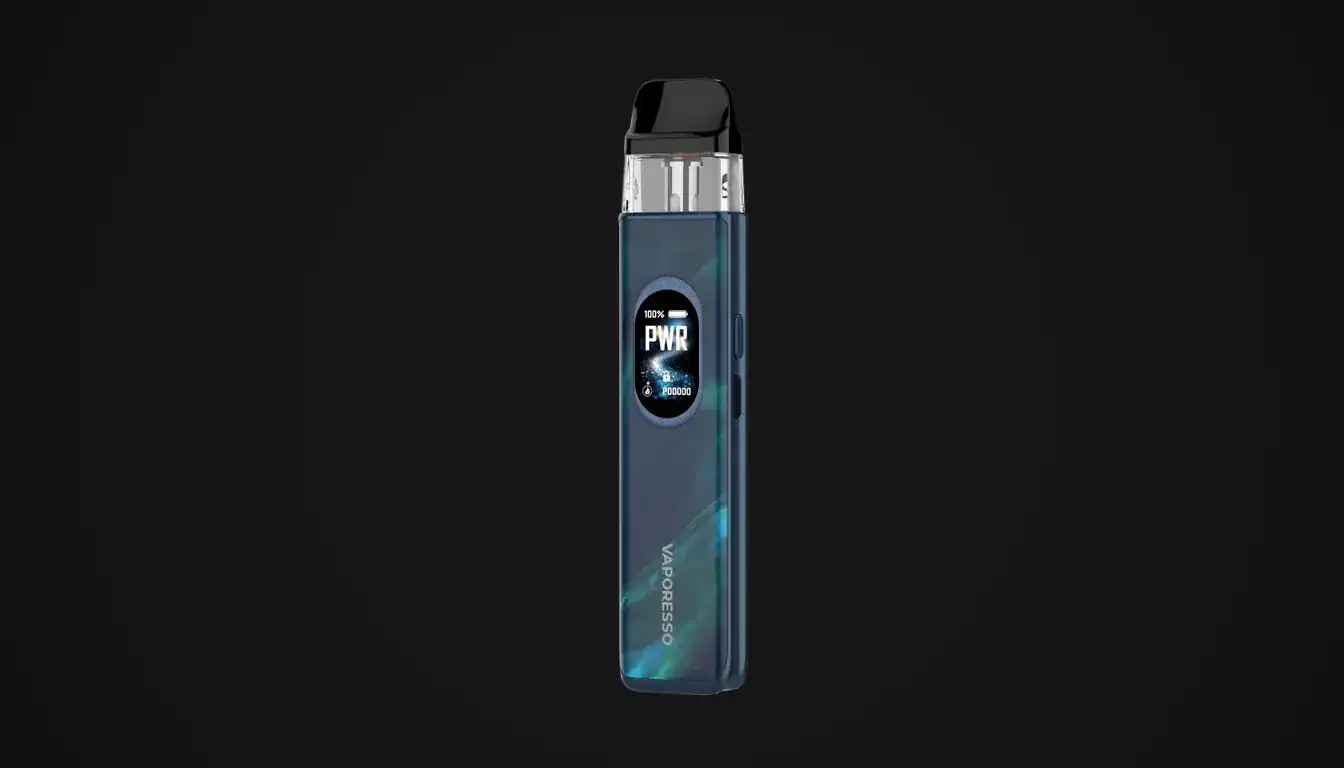
Vaporesso XROS 6 Pod Review
Hands-on Vaporesso XROS 6 review: fast charging, all-day battery, and 60-second smart prime. Compare prices and find the best deal on this MTL pod system.
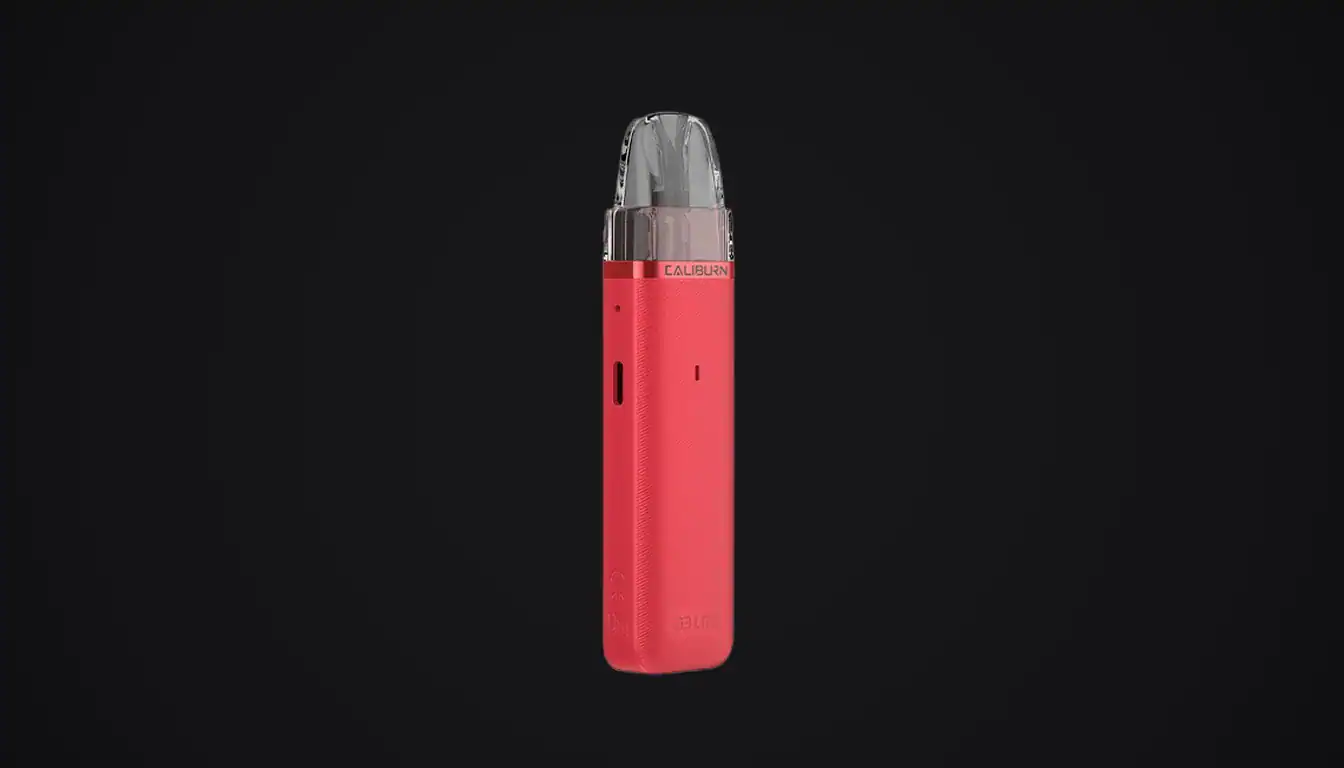
Uwell Caliburn G3 Lite Pod Review
Read our Uwell Caliburn G3 Lite Review: a lightweight pod system that prioritizes simplicity with four coil options, side-fill convenience, and reliable...
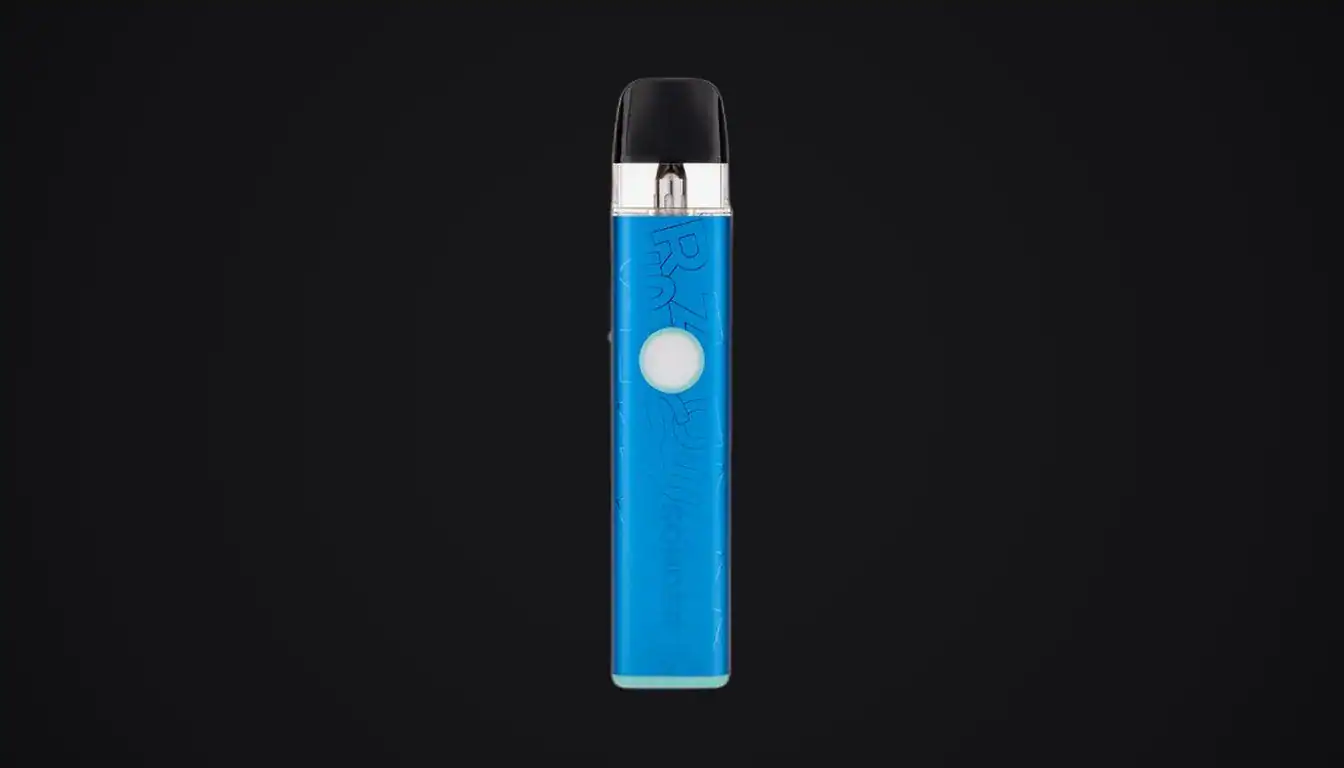
Geekvape Sonder Q3 Pod Review
Geekvape Sonder Q3 review: compact refillable pod system with 1750mAh battery and 30W output. See pricing comparison and if it's worth buying over competitors.
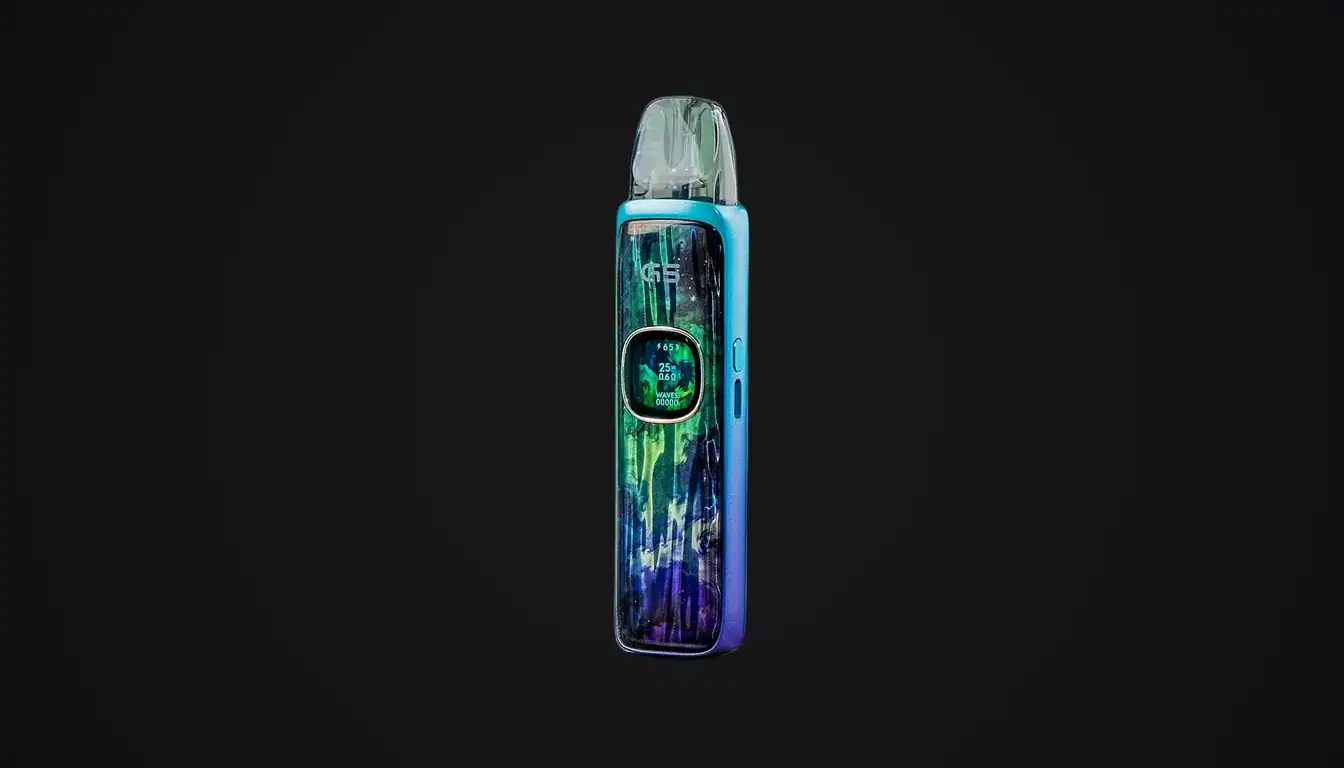
Uwell Caliburn G5 Pod Review
Uwell has been making pod systems long enough to know exactly what vapers want. The Caliburn G5 is Uwell’s direct answer to all frustrations.
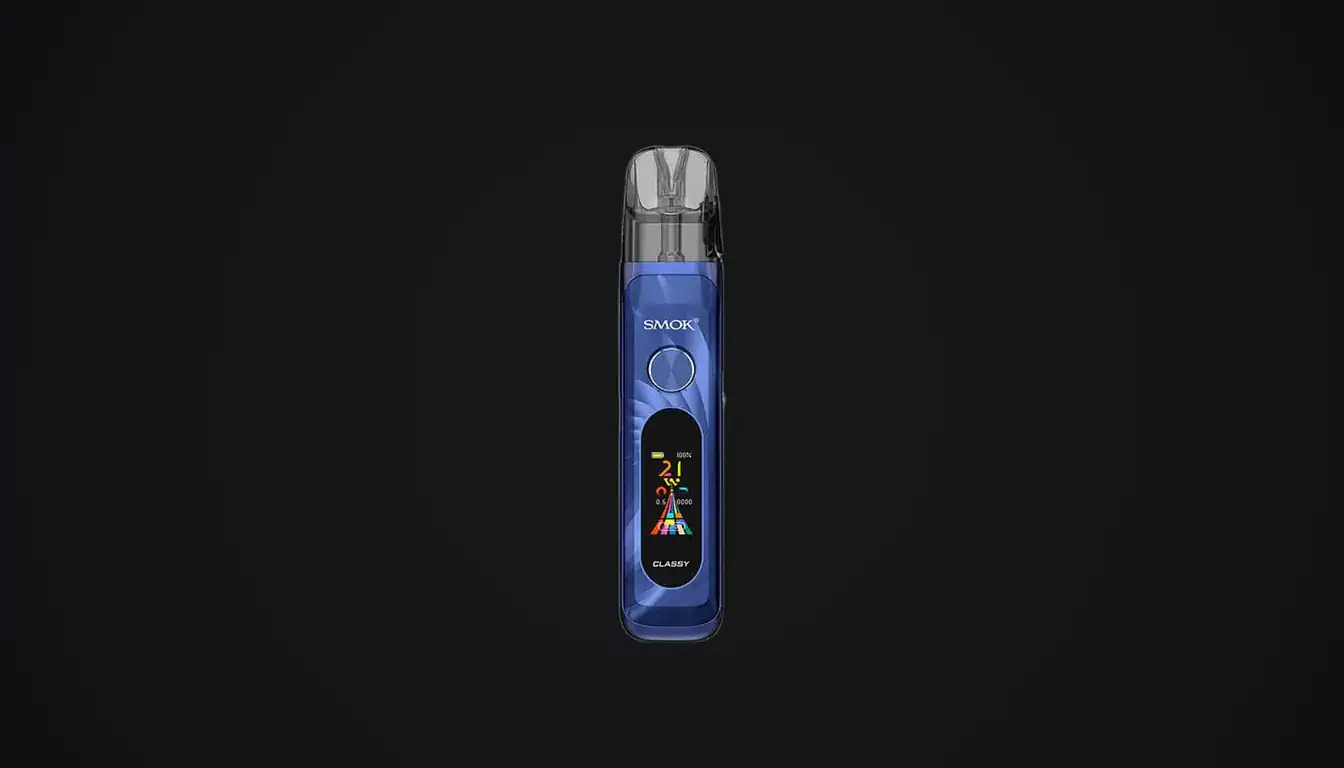
SMOK Novo Classy Pod Review
> WARNING: This product contains nicotine. Nicotine is an addictive chemical. This review is intended for adults aged 21 and over only.
Key Takeaways
- Pod systems are generally the best starting point for new vapers — they’re simpler, more portable, and far less intimidating than box mods.
- Battery capacity matters more than most beginners realise; kits with around 3000mAh will comfortably last a full day of moderate use.
- The Vaporesso Xros series consistently tops expert and beginner recommendations for good reason — compact design, solid flavour, and minimal fuss.
- Nicotine strength is one of the biggest beginner mistakes — starting too low or too high makes the whole experience worse than it needs to be.
- Buying from authorised retailers isn’t optional — counterfeit kits are a real problem and can genuinely ruin your first experience.
Read on for the full breakdown.
Introduction
Most people who switch from smoking to vaping make the same mistake on day one. They walk into a shop, get overwhelmed by a wall of hardware, and either buy the cheapest thing available or walk out empty-handed. Neither works. The truth is that picking the right kit at the start — the actual best beginner vape kits for your lifestyle and budget — makes or breaks whether vaping sticks for you long-term. Get it right, and it’s a genuinely effective smoking alternative. Get it wrong, and you’re back on cigarettes within a week, convinced vaping “doesn’t work.”
It does work. You just need the right starting point.
The US vaping market has grown significantly over the past few years, with the UK Public Health England’s long-standing position that vaping is approximately 95% less harmful than smoking still widely cited across the industry 1. That’s not a marketing line — it’s the kind of data point that should make you feel confident about making the switch. But hardware choice still matters enormously, and that’s exactly what this guide cuts through.
Why Choose a Beginner Vape Kit Over Disposables?
Disposables are everywhere. Walk past any corner shop, any petrol station, and you’ll see racks of brightly coloured single-use vapes promising huge puff counts and zero effort. And honestly? They’re not wrong about the effort part — disposables are dead simple. But simple isn’t always smart.
The Financial Reality
Here’s a number worth sitting with: a regular smoker consuming a pack a day spends somewhere between £3,500 and £4,500 ($4,500 – $5,500) per year on cigarettes in the UK 2. Disposable vapes, if you’re using one or two per day, can run $2,000 to $3,500 annually. That’s a saving, sure — but it’s not a dramatic one. A solid beginner kit, by contrast, costs $20–$50 upfront. Add coils (usually $2–$10 each, lasting one to two weeks) and e-liquid (roughly $10–$15 per week for a moderate user), and your annual spend drops sharply — often under $600–$800 for the whole year 3. The maths genuinely aren’t close.
Disposables feel cheap per unit. They’re not cheap per year.
Control and Customisation You Actually Get
Starter kits give you something disposables never can — the ability to adjust your experience. Airflow settings, wattage control, coil selection, nicotine concentration — these all affect how satisfying each draw feels. When something isn’t working, you can change a variable and fix it. With a disposable, if the flavour’s off or the draw feels wrong, your only option is to throw it away and try a different one. That gets expensive and frustrating very quickly 4.
Building Good Habits Early
Starting on a proper kit also builds the kind of habits that make long-term vaping sustainable. You learn how to prime a coil, how to refill cleanly, how to read your battery level — small skills that save you money and hassle for years. Think of it like learning to drive on a manual rather than an automatic. A little more effort upfront, significantly more control forever.
What Makes a Vape Kit “Beginner-Friendly”?
Not every kit marketed at beginners is actually beginner-friendly. Some manufacturers slap “starter” on the box and charge accordingly, but the device itself requires the kind of knowledge that takes months to build. So what should you actually look for?
Ease of Use and Setup
The gold standard here is a kit you can set up without watching three YouTube tutorials. That usually means a pod system or a simple pen-style device with magnetic pod connections, clearly marked fill ports, and a straightforward fire button — or no button at all (draw-activated devices fire automatically when you inhale). If the manual runs to twelve pages of technical jargon, it’s not a beginner kit. Full stop 5.
Coil Resistance and Wattage Range
This matters more than most beginners realise. Coil resistance — measured in ohms — determines how your device produces vapour and flavour. Higher resistance coils (above 1.0 ohm) work at lower wattages and suit mouth-to-lung (MTL) vaping, which mimics the draw you’d take on a cigarette. Lower resistance coils (sub-ohm, below 1.0 ohm) produce bigger clouds and need more power — they’re not where you want to start 6. A good beginner kit runs between 10W and 25W and uses coils above 1.0 ohm. That’s your sweet spot.
Direct-to-lung vaping feels wrong for most ex-smokers at first. Don’t let anyone pressure you into sub-ohm before you’re ready.
Tank Size and Refilling Simplicity
Tank or pod capacity in beginner kits typically ranges from 1.5ml to 5ml. In the US, the legal maximum for the UK refillable tanks is 2ml under TPD regulations — so most kits you’ll find here sit at or just under that 7. Top-fill pods are significantly easier to manage than bottom-fill tanks, especially when you’re still figuring out the basic mechanics. Look for a wide fill port, a clear pod window so you can see your liquid level, and no fiddly internal components.
Battery Capacity and Charging Methods
Battery size has a direct relationship with how often you’re reaching for a cable. For a beginner vaping moderately throughout the day — say, 100 to 150 puffs — you want at least 1000mAh to get through without anxiety. But honestly, 1500mAh is the comfortable minimum, and anything around 3000mAh (for larger box mod starter kits) is where you stop thinking about battery life altogether. We’ll get into that more in the dedicated battery section below.
USB-C charging is a non-negotiable for me. Micro-USB kits still exist and they’re annoying — you’re probably already carrying a USB-C cable for your phone, and there’s no reason your vape should be the exception.
Best Beginner Vape Kits We Actually Recommend
Right. This is where we get specific. No padding, no vague category descriptions — just the kits worth your money and why, based on real testing and feedback from people who’ve actually used them 13.
![Vaporesso Xros front and side view] Vaporesso Xros — one of the most recommended beginner pod systems in the US market
Vaporesso Xros — Compact Design, Serious Performance
The Vaporesso Xros is genuinely hard to fault as a starting point. It’s slim enough to disappear into a jacket pocket, uses a simple side-fill port, and runs on replaceable mesh coil pods that consistently deliver clean, accurate flavour. The draw is adjustable — there’s a small airflow slider on the side — which gives you more control than most devices in this price range. Battery sits at 1000mAh, which for a device this size is respectable 1.
The Xros range has expanded over the years, with the Xros 3 and Xros 4 iterations improving on the original in small but meaningful ways — better coil efficiency, improved pod sealing, slightly larger battery on some models. The ECD team at eCigarette Direct, who test kits systematically across hundreds of user cases, consistently place the Xros series in their top recommendations for new vapers 1. That kind of sustained recommendation from people who see real-world feedback every day carries weight.
You can read our own detailed take on the Vaporesso XROS Pro 2 if you want a thorough breakdown of how the Xros range has evolved.
![Vaporesso Xros 3 and Xros 4 side by side] The Xros range has steadily improved — each iteration tightens up what the original got almost right
![Xros pod and coil closeup] The replaceable mesh pod coils are easy to swap and last well compared to competitors
Voopoo Drag X Plus — Balanced Power and Reliability
The Drag X Plus is a step up in size and capability, but Voopoo has done a solid job keeping it accessible. It runs on a single external 18650 battery — which means you can carry a spare and never worry about running out — and operates between 5W and 80W. That wattage ceiling is overkill for a beginner, but the kit’s intelligent GENE chip adjusts output based on your coil, so you’re unlikely to make catastrophic mistakes 3.
It pairs with Voopoo’s PnP pod/tank system, which uses press-fit coils — no screwing, no tools, just push and click. For someone with zero hardware experience, that’s a genuinely meaningful feature.
![Voopoo Drag X Plus full kit contents] The Drag X Plus kit comes with two PnP coils — enough to get you started without an immediate additional purchase
![Voopoo Drag X Plus held in hand for scale] Larger than a pod system but still comfortably pocketable
Geekvape Aegis Solo 2 — Durability Meets Ease
If you’re the type who drops things — and most of us are — the Aegis Solo 2 deserves serious consideration. IP68 waterproof, dustproof, and shockproof rated, this kit genuinely survives the kind of accidents that would destroy a standard device. It’s not the most pocket-friendly shape, but the build quality is exceptional 5.
It runs on a single 18650 battery and pairs with Geekvape’s Z pod system, which uses a satisfying top-fill design and compatible coils across their product line. Performance is consistently reliable, and the fire button has a satisfying tactile click that makes it feel substantial in the hand. Honestly, for anyone working outdoors, in hospitality, or anywhere their kit might take a knock — this is the obvious choice.
For a deeper look at how the Aegis line handles durability across different models, our Geekvape Aegis Legend 5 review gives useful context on what Geekvape’s build philosophy actually delivers.
![Geekvape Aegis Solo 2 waterproof demonstration] IP68 rated — actually waterproof, not just splash resistant
![Aegis Solo 2 colour options lineup] Available in multiple colourways — the carbon fibre variant is particularly popular
Innokin Endura T20 — Ultra-Simple and Forgiving
The Endura T20 is probably the most forgiving kit on this list. It’s a simple pen-style device — no wattage adjustment, no complicated menus, no removable batteries. Fill the tank, charge via USB-C, press the button, inhale. That’s it. For someone who finds even pod systems mildly intimidating, this removes every possible point of confusion 6.
It runs a 1500mAh internal battery, uses Innokin’s 1.5 ohm Prism coils (excellent MTL draw), and the tank holds 2ml — legally compliant for the UK market. Flavour is solid without being exceptional. It’s not the most exciting kit, but excitement isn’t what beginners need. Reliability is.
![Innokin Endura T20 slim profile] About the size and shape of a slim marker pen — genuinely discreet
![Endura T20 fill port diagram] Top-fill with a wide port — one of the easiest tanks to refill cleanly
Uwell Crown Pod System — Flavour-Forward Without Complexity
Uwell has built an excellent reputation for flavour production, and the Crown pod system brings that expertise into a beginner-friendly format. The coil design uses Uwell’s Pro-FOCS technology — a fancy way of saying the coils are optimised to preserve the accuracy of your e-liquid’s flavour profile rather than just producing volume of vapour 4.
For someone who cares about tasting what’s in their juice — and you should — this matters. It uses a dual-coil pod, operates between 18W and 26W, and has a clean, minimal aesthetic that doesn’t scream “vape” in polite company. The 1250mAh battery is fine for moderate use. It charges via USB-C. The pod capacity is 2ml. No complaints.
If you want to explore how Uwell’s pod tech performs at the next level up, our Uwell Caliburn G5 Pod review covers the upgraded version in detail.
![Uwell Crown Pod System in hand] Clean design, solid build quality — doesn’t look cheap despite being beginner-friendly
![Crown pod system coil comparison] Uwell’s Pro-FOCS coils deliver noticeably better flavour accuracy than many competitors at this price point
Understanding Nicotine Strengths and Your Starting Point
Nobody talks about this enough. Hardware is one side of the equation — nicotine strength is the other, and getting it wrong is probably the single most common reason beginners give up within the first two weeks 6.
Salt Nicotine vs. Freebase — What’s the Real Difference?
Two types of nicotine dominate the US e-liquid market. Freebase nicotine is the traditional form — it’s harsher at high concentrations but hits more slowly. Nicotine salts (nic salts) use benzoic acid to lower the pH, making high-strength nicotine far smoother to inhale and faster to absorb. For ex-smokers, nic salts are almost always the better starting point 7.
Freebase works well at lower strengths (3mg, 6mg) in sub-ohm setups. But for MTL pod systems — the kind most beginners use — nic salts at 10mg or 20mg deliver a satisfying hit without the harsh throat burn that puts people off high-strength freebase liquid. Our dedicated guide on how to choose the right nicotine strength for your vape juice goes much deeper on this if you need it.
![Salt nicotine vs freebase absorption rate comparison chart] Nic salts absorb faster and feel smoother — significant advantages for anyone transitioning from cigarettes
Calculating the Right Mg/mL for Your Situation
Here’s a rough guide that works for most people 67:
- Heavy smoker (20+ cigarettes per day): Start at 20mg nic salts
- Moderate smoker (10–15 per day): 10mg–20mg nic salts
- Light smoker (under 10 per day): 10mg nic salts or 6mg freebase
- Casual or social smoker: 3mg–6mg freebase
These aren’t hard rules — they’re starting points. The goal is to feel satisfied after a few puffs, not to vape continuously just to stop craving a cigarette. If you’re doing the latter, your nicotine strength is probably too low.
![Nicotine strength recommendation flowchart] Choosing the right starting strength dramatically improves early vaping satisfaction rates
Common Beginner Mistakes with Nicotine Strength
Starting too low is far more common than starting too high. It feels counterintuitive — surely lower nicotine is better? — but a satisfied craving means you vape less, not more. Starting too low means you compensate by vaping constantly, which causes its own issues (headaches, nausea from overheating coils, burning through liquid faster) 5.
Starting too high is less common but causes its own problems — primarily nicotine sickness. Headaches, dizziness, and nausea after vaping are almost always a sign you’re running too much nicotine for your usage pattern. Drop the strength by half and see if the symptoms clear.
And one more thing: don’t switch liquids every few days while you’re still finding your feet. Give any liquid at least a week. Your palate adjusts, and what tastes odd at first often becomes your favourite by day five.
![Common beginner nicotine mistakes infographic] The most common fix for early vaping dissatisfaction is simply adjusting nicotine strength
![Weekly progression chart for nicotine adjustment] Give each strength level at least a week before deciding it isn’t working
The ECD Team Recommendations — What Experts Actually Use
Some recommendations come from spec sheets and press releases. The ECD team’s picks come from something more useful — years of customer feedback, returns data, and hands-on testing across hundreds of different user profiles 1.
eCigarette Direct’s team (widely known in UK vaping circles as the ECD team) has been publishing beginner kit guides since the early days of the UK vaping market. Their methodology is straightforward: test kits across real usage scenarios, track which ones generate complaints, and update recommendations accordingly. It’s not glamorous. But it produces reliable results.
![ECD team testing setup with multiple beginner kits] Systematic testing across multiple kits reveals patterns that single reviews miss
Why the ECD Team Chose These Kits
Their consistent top picks share a few common traits. Simple coil systems. Reliable leak prevention. Consistent wattage delivery. And crucially — coils that are widely available, so beginners aren’t stuck hunting for compatible replacements after the first set burns out. The Vaporesso Xros series appears repeatedly in their recommendations, alongside Innokin’s Endura range and various Uwell Caliburn iterations. These aren’t the flashiest options. They’re the ones that keep working six months in 1.
![ECD recommendation comparison table across three years] Consistency across years of recommendations signals genuine reliability, not just novelty
Real-World Testing Results and Longevity Data
One data point worth knowing: coil lifespan varies significantly between kits, even when manufacturers claim similar ratings. The ECD team’s testing suggests that Vaporesso’s XROS coils consistently outperform their stated two-week lifespan under moderate use, often lasting three weeks or more when used with 50/50 PG/VG liquids. Voopoo’s PnP coils perform similarly well with higher-VG liquids. Innokin’s Prism coils are more sensitive to sweeter liquids — if you’re vaping dessert flavours constantly, expect shorter coil life 15.
![Coil lifespan comparison chart across five beginner kit brands] Real-world coil longevity often differs from manufacturer claims — testing tells the true story
![Liquid type vs coil lifespan correlation graph] Sweeter, higher-VG liquids shorten coil life — a variable most beginners don’t account for
Customer Feedback We’ve Seen Over Years
The most common complaints from beginner kit users fall into three categories: leaking, burnt taste within the first week, and difficulty finding replacement coils locally. Kits that score well across all three — minimal leaking by design, coil-friendly with a range of liquids, and widely stocked — are the ones that earn long-term recommendation status 13. The Innokin Endura range, for instance, has held its position in beginner recommendations for years not because it’s exciting, but because it almost never appears in the complaints pile.
Battery Life, Charging, and the 3000mAh Sweet Spot
Battery anxiety is real. For beginners still figuring out their vaping habits, running out of charge mid-afternoon — with no cigarettes to fall back on — is genuinely stressful. This is one area where kit selection matters more than most people realise upfront.

Why 3000mAh Works Best for Beginners
Here’s the honest breakdown. A typical beginner takes somewhere between 100 and 200 puffs per day — roughly equivalent to a pack-a-day smoker, based on draw length comparisons 2. At that usage rate, a 1000mAh battery lasts most people through a day with some margin. A 1500mAh battery gives you a comfortable full day plus. But 3000mAh? That’s two full days for most moderate users — or a full day for heavier ones — with zero battery stress.
The 3000mAh range primarily applies to box mod starter kits using 18650 batteries, like the Geekvape Aegis Solo variants or Voopoo Drag X options. Some 18650 cells hit 3000mAh capacity, and for anyone who forgets to charge things regularly (most of us), this capacity is genuinely liberating. You stop thinking about your battery. That mental space matters when you’re already adjusting to a new habit.
Our guide to the best 18650 batteries for vaping covers capacity, discharge rates, and brand reliability in proper detail — worth reading before you buy a spare cell.
![Battery capacity vs daily puff count chart] At 150 puffs per day, a 3000mAh battery comfortably lasts two full days
![18650 battery cell comparison — 2500mAh vs 3000mAh vs 3500mAh] Higher capacity doesn’t always mean slower discharge — choose based on your device’s wattage demands
Fast Charging vs. Battery Longevity
Fast charging sounds great until you understand what it does to battery health over time. Rapid charging generates more heat, and heat degrades lithium-ion cells faster 5. For a device you’re hoping to use for two or three years, consistently fast-charging at maximum speed shortens the lifespan of the internal cell meaningfully.
The practical advice: use fast charging when you need it, but don’t make it the default. A slower overnight charge via USB-C is kinder to your battery long-term. Most modern kits support both — check the spec sheet for maximum charge rate and aim for somewhere in the middle when time allows.
![Charging speed vs battery health degradation curve] Slower charging preserves battery health — fast charging should be reserved for emergencies
How Many Days Between Charges? Real Numbers
Let’s put actual numbers on this. Based on moderate use (approximately 150 puffs per day, each puff around 2–3 seconds at 15W) 35:
- 800mAh internal battery (small pod): 0.5–0.8 days
- 1000mAh (Vaporesso Xros): 1–1.5 days
- 1500mAh (Innokin Endura T20): 1.5–2 days
- 2000mAh (mid-size pod mod): 2–2.5 days
- 3000mAh (18650 box mod at full capacity): 2.5–3.5 days
These aren’t manufacturer claims. They’re practical estimates based on real wattage and average use patterns. Your numbers will vary based on coil resistance, wattage setting, and how long your draws are — but these give you a working baseline.
![Days between charges comparison table across top beginner kits] Real-world days between charges — calculated at 150 puffs per day moderate use
![Weekly charging schedule infographic for common kit types] Knowing your kit’s charge cycle helps you build a routine rather than scrambling for a cable
Pod Systems vs. Box Mods — Which Direction for You?
This is probably the most consequential decision a new vaper makes — and most people make it by accident, based on whatever the shop had in stock. Don’t do that.
Pod Systems: Portability and Simplicity
Pod systems are closed or semi-closed systems using prefilled or refillable pods rather than traditional tanks. They’re small, light, and usually draw-activated — meaning no buttons, just inhale. Setup takes about two minutes. They’re genuinely difficult to use incorrectly 46.
The trade-off is flexibility. Pod systems typically operate within a fixed wattage range and use proprietary coils, which limits your ability to fine-tune the experience. But for most beginners? That limitation is actually an advantage. Fewer variables means fewer mistakes.
![Pod system size comparison — six popular models side by side] Pod systems vary in size but all prioritise portability over maximum output
![Draw-activated pod system — no button required infographic] Draw-activated systems remove the only remaining technical hurdle for absolute beginners
Box Mods: More Control, More To Learn
Box mods pair a larger battery unit with a separate tank or pod. They offer variable wattage, temperature control, and compatibility with a wider range of coils and tanks. For someone who wants to customise their experience — adjusting airflow, wattage, and coil resistance independently — box mods deliver that capability 3.
But they come with a learning curve. Wattage set too high burns coils instantly. Temperature control modes require specific coil materials. The menus on some devices aren’t intuitive. None of this is insurmountable, but it requires patience and a willingness to read the manual properly. If you want to understand the different vaping styles that device choice affects, our breakdown of mouth to lung vs direct lung vaping explains exactly why hardware decisions and draw style are linked.
![Box mod component breakdown — mod, tank, coil, battery labelled] Box mods offer more customisation but also more ways to get it wrong early on
Honest Verdict: What Most Beginners Actually Prefer
Pod systems. Overwhelmingly. Not because box mods are worse — they’re genuinely better for intermediate and advanced vapers. But the simplicity of a pod system removes the friction that causes beginners to give up 6. You want the path of least resistance when you’re still building the habit. A pod system gives you that.
The upgrade to a box mod makes sense after three to six months, once you’ve established what you like, how often you vape, and what wattage range feels right. By then you’ll have the context to make the choice intelligently. Our best vape pods guide covers the top pod options at every budget if you want to narrow it down further.
Common Beginner Mistakes and How to Avoid Them
Everyone makes these. The difference is whether you know about them in advance.
Priming Coils Wrong (And Why It Ruins Everything)
Priming a coil means saturating the wicking material before you fire the device for the first time. Skip this step and you’ll get a dry, acrid, genuinely disgusting burnt hit that can also damage the coil permanently. A ruined coil on your first day is demoralising and expensive 5.
The fix is simple. Drop a few spots of e-liquid directly onto the exposed cotton wicking ports on the coil. Fill your tank or pod. Wait five minutes. Take three or four gentle draws without pressing the fire button — just inhale slowly to draw liquid through the wick. Then fire at a low wattage and work up gradually over the first ten minutes.
That process takes seven minutes. It saves you a coil, a lot of frustration, and possibly your entire first week.
![Step-by-step coil priming visual guide with numbered stages] Priming properly adds seven minutes to setup and saves hours of troubleshooting
Overfilling Tanks and Leaking Disasters
Tanks and pods have a maximum fill line for a reason. Fill beyond it and liquid enters the airflow chamber, causing gurgling, leaking, and liquid in your mouth — one of the most off-putting experiences in vaping 4. Always fill to just below the max line, leave the device upright for a minute after filling, and check the fill port is properly sealed before pocketing it.
![Tank filling demonstration — correct fill level vs overfilled] Overfilling is the most common cause of leaking — that max fill line is non-negotiable
Ignoring Coil Resistance Ranges
Every coil has a recommended wattage range printed on it. Running below that range produces weak, flavourless vapour. Running above it burns the coil 5. Both are avoidable — just read the coil. A 0.6 ohm coil rated for 25W–40W shouldn’t be fired at 60W because someone told you higher watts make bigger clouds. It makes a ruined coil and a bad taste.
Buying Random Juice Without Checking VG/PG Ratio
Your e-liquid choice directly affects coil life, satisfaction, and whether vaping actually replaces cigarettes for you. High-VG liquids (70/30 or 80/20 VG/PG) produce bigger clouds but can’t wick fast enough in tight, high-resistance coils — causing dry hits 7. High-PG liquids give a stronger throat hit and wick faster, which suits MTL pod systems better.
For beginners on pod systems with 1.0 ohm or higher coils: use 50/50 PG/VG liquids or dedicated nic salt liquids. Don’t pick the loudest label. Pick the right VG/PG ratio for your device first, then choose a flavour. Our article on e-juice shelf life and expiry also answers a question most beginners don’t think to ask until they find an old bottle at the back of a drawer.
Budget Breakdown — What You’ll Actually Spend
Transparency here matters. Vaping has hidden costs that most starter guides gloss over.

Initial Kit Investment
A solid beginner kit — pod system or simple pen — costs between $20 and $50 in the UK 34. Spending under $15 is a false economy; the build quality at that price point usually produces a frustrating experience. Spending over $60 as a first-time buyer is unnecessary — you’re paying for features you won’t understand or use yet.
The kit price typically includes the device, one or two coils, a USB-C cable, and a manual. It doesn’t include e-liquid. Budget an additional $10–$15 for your first bottle.
![Initial kit cost breakdown — device, coils, cable, first liquid] Total first-week spend for a beginner is typically $30–$65 depending on kit choice
Ongoing Costs for Coils and Juice
Coils run $2–$4 each and last one to two weeks under moderate use — roughly $6–$16 per month 3. E-liquid: a 10ml nic salt bottle at 20mg costs $2–$4 and lasts a moderate user two to four days, so $15–$30 per month on liquid depending on usage. Total monthly ongoing cost: $21–$46.
That’s a wide range. Where you land depends on how often you vape and how efficiently your kit wicks. Heavier users trend toward the top end; lighter users toward the bottom.
![Monthly vaping cost breakdown — coils vs liquid vs accessories] Monthly spend stabilises after the first month once you know your usage pattern
Comparing Total First-Year Spend to Cigarettes or Disposables
Year one, including kit purchase and monthly running costs at mid-range estimates 23:
- Beginner vape kit user: $350–$600
- Disposable vape user (1 per day): $1,100–$1,500
- Pack-a-day smoker: $4,500–$5,500
The kit option costs roughly a third of what disposables cost annually, and less than a fifth of smoking costs. That gap widens in year two, when you’re not buying the kit again. Use our Vape Cost Calculator to plug in your own numbers and get a personalised figure.
![12-month total cost comparison — smoking vs disposables vs beginner kit] Year-one costs tell one story. Year-two costs, without the initial kit purchase, tell an even clearer one
![Cost per day breakdown across three usage types] Daily cost of a beginner kit user typically falls between $0.95 and $1.65 — well under disposable and cigarette equivalents
Where to Buy Best Beginner Vape Kits Safely
Where you buy matters almost as much as what you buy.

Authorised Retailers vs. Discount Sites
Buying from an authorised US and UK retailer means the device comes with a genuine warranty, uses US FDA regulated specs and UK-legal TPD-compliant specs, and won’t arrive with a non-functional fire button because it sat in a warehouse for two years 7.
Discount sites, marketplace sellers, and certain social media vendors are where counterfeit products circulate most heavily. The price difference is tempting. The risk isn’t worth it.
An authorised retailer listing will typically show the manufacturer’s warranty terms clearly
Red Flags for Fake Products
Watch for specific warning signs: packaging with spelling errors or blurry graphics, missing CE/UKCA markings, no scratch-and-check authentication code on the box, and prices more than 40% below RRP with no clear explanation. Vaporesso, Voopoo, and Geekvape all offer scratch-and-verify authenticity codes on their packaging — use them 5.
A counterfeit kit isn’t just disappointing. It can be genuinely unsafe, with unregulated chips that don’t meet any safety specs.
Summary TLDR
When you look at the sheer number of options on the market, choosing your first vape kit can feel like trying to learn a new language. However, the data and hands-on testing make it clear that moving away from disposables and investing in a refillable starter kit is the smartest move for your wallet and your overall experience. Between the massive cost savings and the ability to actually adjust the airflow and nicotine strength to match what you need, a proper starter kit gives you the control necessary to make the switch from smoking permanent.
The top contenders right now show exactly how far beginner hardware has come. Devices like the Uwell Caliburn G5 lead the pack by delivering phenomenal flavor and impressive battery life without forcing you to menu-dive through complicated settings. For those who want a bit more versatility to grow into, options like the Vaporesso Luxe XR Max 2 offer plenty of power while remaining accessible enough for someone just starting out.
Ultimately, the best kit is the one that fits seamlessly into your daily routine. Stick to trusted brands, pick a nicotine level that actually matches your previous smoking habits, and don’t be afraid to experiment a little with different flavors. Getting off cigarettes is the main goal, and with the right, straightforward device in your hand, making that transition is easier than it’s ever been.