

Best Vape Mods 2026 — Tested & Ranked
Regulated box mods with the power, battery life and control serious vapers want — tested and ranked on performance, build quality, flavor and value. Fully updated for 2026.
·
We’ve tested all the favourite Vape Mods on the market in 2026. Ranked on performance, build quality, vape volume, and flavor.
🏆 Editor’s Top Picks — 2026
Rankings last updated 23 July 2026

VOOPOO Drag 6 Box Mod 2026 Review
One-line verdict: Worth it if you want a powerful, well-built single-unit mod with no battery-management hassle — skip it if you need external batteries, wat...
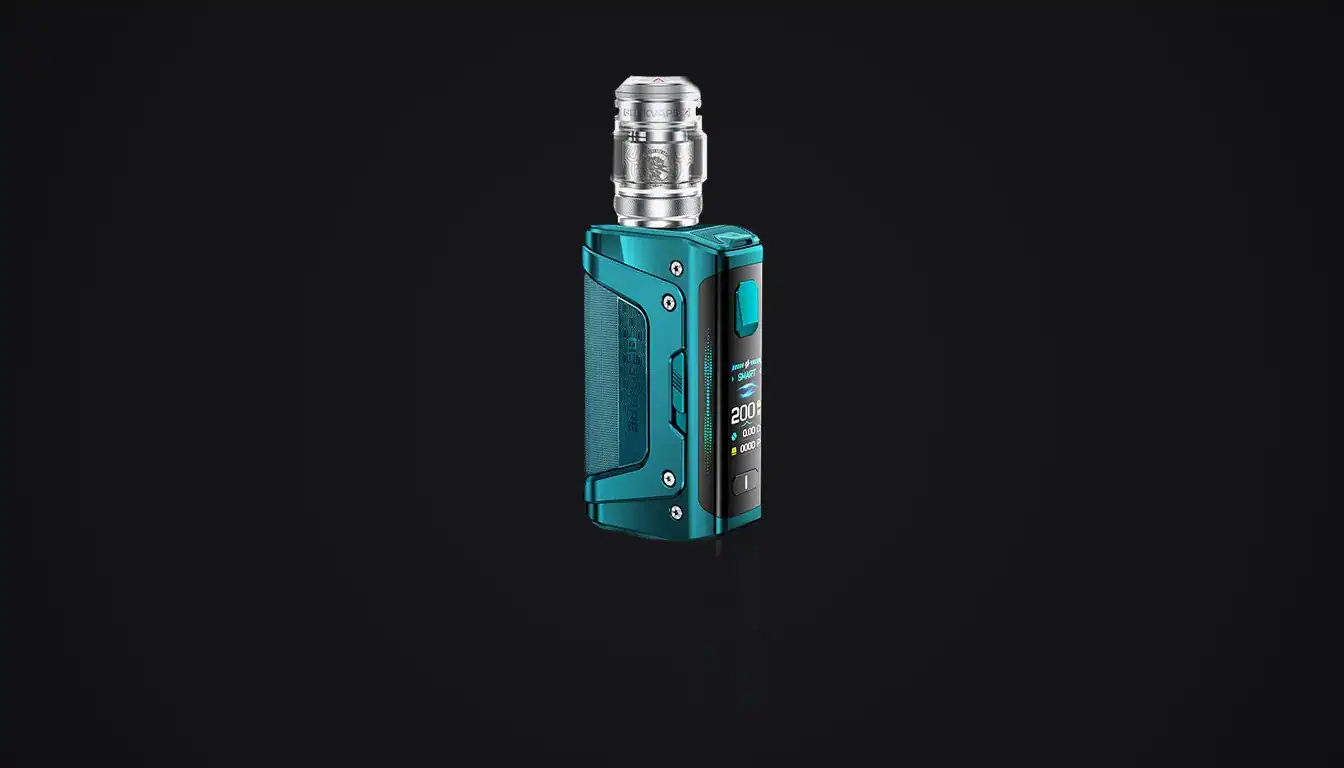
Geekvape Aegis Legend 5 Review
One-line verdict: Worth it if you need a genuinely rugged mod with serious control depth; skip it if you want a lightweight, minimalist device with clearly p...
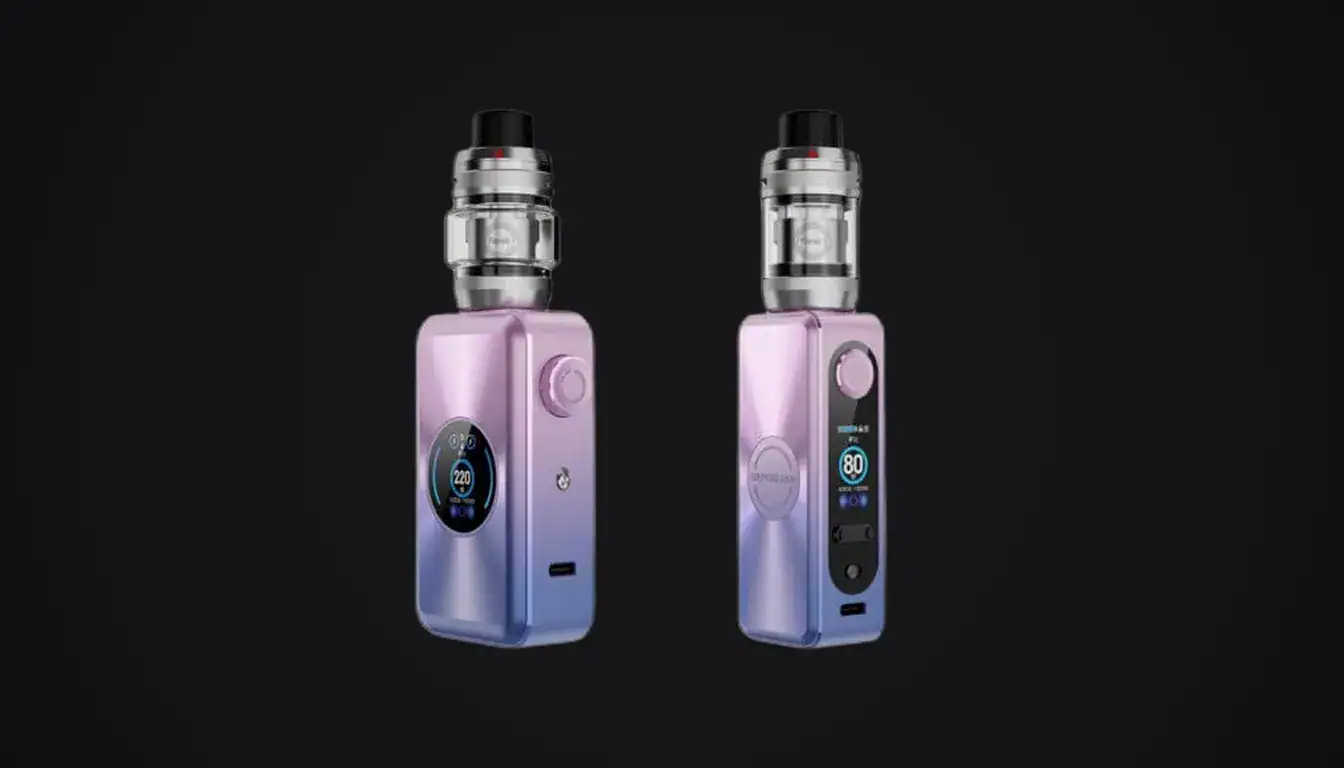
Vaporesso Gen Max and Gen SE Review 2026
Editor's Note: This product has since been superseded by the GEN MAX | SE - Latest Additions to the GEN Series. This review covers the original model,...

SMOK X-Priv Plus Kit Review
Read our detailed SMOK X-Priv Plus Kit review to discover if this 225W dual-battery mod delivers real value. Compare prices and features before you buy.

SMOK Mag Solo Vape Kit 100W An In-Depth Review
The SMOK Mag Solo Vape Kit 100W is a high-performance vaping option that caters to those who prefer a Direct To Lung (DTL) vape experience. Designed with versatility…
Best Box Mods
Box mods represent the gold standard in customizable vaping devices, offering superior power delivery, precision temperature control, and exceptional vapor production compared to simpler vaping alternatives. Our expert guide reviews the best box mods currently available, helping you select the perfect device for your vaping preferences and experience level.
Key Takeaways
- Box mods offer far more power, customization, and battery life than vape pens or pod systems — making them the go-to choice for vapers who want real control over their experience.
- DNA mods deliver the most precise temperature control on the market, while mechanical mods suit experienced users who prioritize raw output over safety features.
- E-liquid performance is directly tied to your wattage and coil setup — getting this wrong wastes juice and destroys coils faster than almost anything else.
- Not every expensive mod is worth the price tag — some mid-range options genuinely outperform premium competitors in everyday use.
- Lung health matters, and the type of inhalation style you use (mouth-to-lung vs. direct-to-lung) should drive your device choice as much as wattage preferences.
Read on for the full breakdown.
Introduction
Most vapers upgrade to a box mod for one reason: they want more. More power, more battery life, more control over exactly what they’re inhaling and how it feels. And once you go from a basic vape pen to a proper regulated box mod, it’s genuinely hard to go back. 1
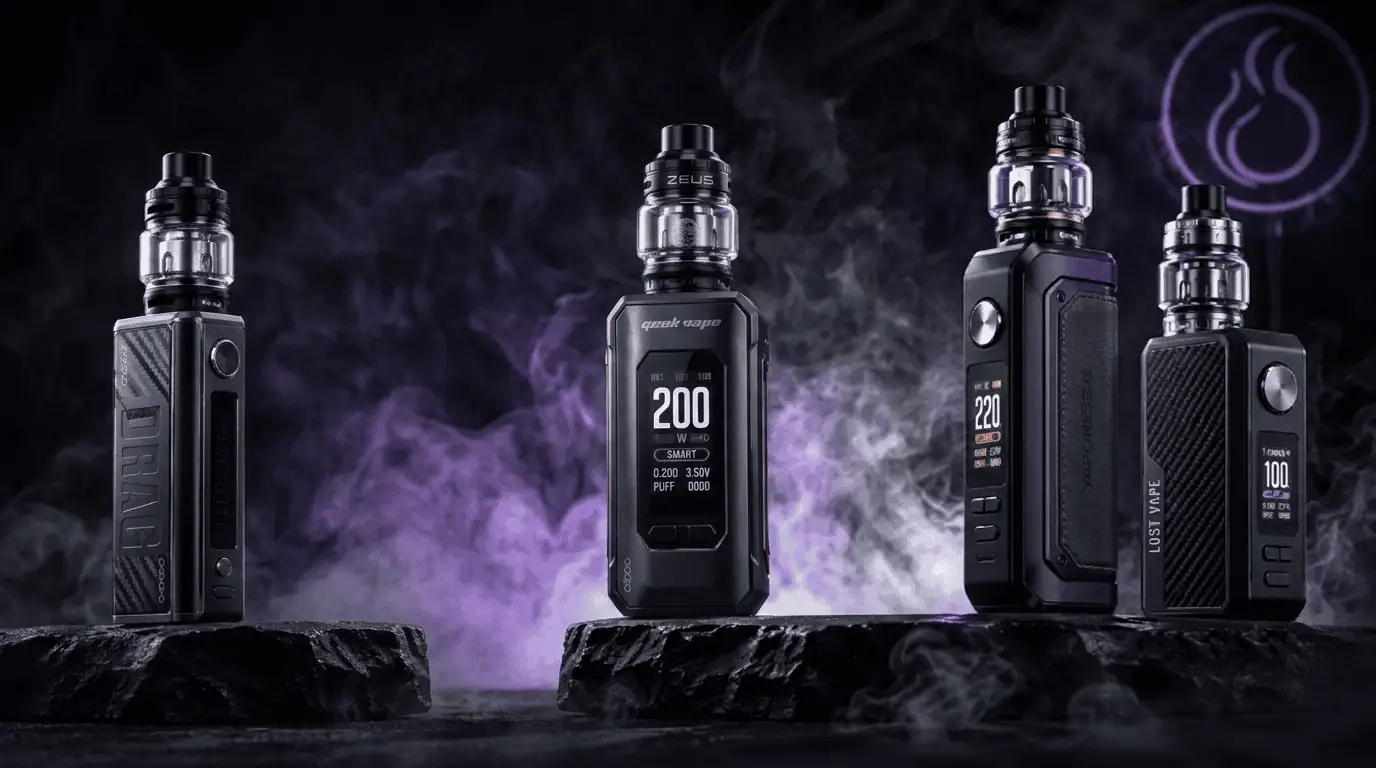
The market has exploded. There are hundreds of devices sitting across every price point, from budget-friendly starter mods to flagship DNA chipset builds that cost more than some smartphones. Picking the right one isn’t obvious — not when you’re staring at spec sheets full of wattage numbers, coil resistance ranges, and chipset names that mean nothing until someone explains them properly. 2
That’s what this guide does.
We’ve cut through the noise to identify the best box mods available right now, covering everything from entry-level regulated devices to high-end DNA mods and stripped-back mechanical builds. Whether you care more about flavor, cloud production, battery runtime, or long-term value — there’s a right answer for you, and it’s probably not the most expensive option in the store.
Top Box Mods Comparison
Our top box mods deliver premium performance, long battery life, and intuitive controls. Whether you’re a beginner or experienced vaper, these models offer excellent value and reliability.
Key Features to Consider
Battery capacity, wattage range, and build quality are the most important factors when choosing a box mod. Look for models with adjustable wattage, temperature control, and durable construction.
Best for Beginners
Beginner-friendly box mods feature simple operation, protective features, and reliable performance. These devices often come with preset modes that eliminate the learning curve while still offering room to grow as your skills develop.
Best for Advanced Users
Advanced vapers benefit from customizable settings, temperature control modes, and high wattage output. Premium box mods deliver superior vapor production and flavor while maintaining safety and precision control.
What Are Box Mods? (Understanding the Basics)
Box mods are rectangular vaping devices — hence the name — that house a battery (or multiple batteries), a chipset, and connection hardware for attaching a tank or atomizer. They’re bigger than vape pens. More capable than pod systems. And infinitely more adjustable than disposable vapes.

The “mod” part of the name comes from the early days of vaping, when hobbyists physically modified flashlight tubes and household containers to build their own devices. Those days are long gone, but the term stuck. Now “mod” simply means a device that gives you manual control over output settings.
Simple definition: more control, more complexity, more reward.
How to Choose the Best Box Mod
- Determine Your Power Needs: Decide whether you need sub-ohm vaping (high wattage) or standard vaping (lower wattage). This determines the wattage range you should target.
- Check Battery Capacity: Look for models with at least 2000mAh capacity for all-day use. Dual-battery mods offer extended vaping time between charges.
- Evaluate Build Quality: Premium materials like stainless steel and aluminum provide durability and better heat management than plastic construction.
- Consider Safety Features: Temperature control, short-circuit protection, and low-battery warnings are essential for safe, reliable vaping.
Top Box Mods Ranked
- Premium Performance Leader: Delivers exceptional vapor production and flavor with temperature control and adjustable wattage up to 225W.
- Best Value Option: Offers excellent performance at a mid-range price point with reliable battery life and user-friendly interface.
- Compact Powerhouse: Combines portability with impressive performance, ideal for vapers who want power without bulk.
Complete Box Mod Buying Guide
Box mods have revolutionized the vaping experience by offering customizable power, precise temperature control, and exceptional build quality. Whether you’re transitioning from traditional cigarettes or looking to upgrade your current device, understanding box mod features helps you make an informed purchase decision that matches your vaping style and preferences.
What Makes a Box Mod Different
A box mod is a type of vaping device that uses one or more removable batteries housed in a rectangular box-shaped enclosure. Unlike pen-style vapes or pod systems, box mods provide adjustable wattage settings, temperature control modes, and larger vapor production. The box design allows for better ergonomics, longer battery life, and more advanced features that appeal to both casual and serious vapers.
Battery Types and Safety
Most quality box mods use 18650 or 21700 rechargeable lithium-ion batteries. Single-battery mods offer portability, while dual-battery mods provide extended vaping time and higher wattage output. Always purchase batteries from reputable manufacturers and use compatible chargers. Modern box mods include multiple safety protections including short-circuit prevention, low-battery warnings, and temperature monitoring to protect both the device and user.
Temperature Control vs Variable Wattage
Variable wattage allows you to adjust power output from low watts to very high watts, letting you customize vapor production and flavor intensity. Temperature control mode monitors coil temperature and adjusts wattage automatically to maintain your desired heat level, providing a more consistent vaping experience and extending coil life. Many advanced vapers prefer temperature control for its precision and efficiency.
Top Box Mod Features to Prioritize
- Adjustable wattage range suitable for your vaping style
- Temperature control capability for coil protection
- Display screen clarity for easy setting adjustment
- Battery compatibility with common sizes (18650, 21700)
- Durable construction with premium materials
- Fast charging capability
- Ergonomic design for comfortable hand feel
- Firmware upgradeable for future feature enhancements
Box Mods for Different Vaping Styles
Sub-ohm vapers seeking massive clouds benefit from high-wattage dual-battery mods with robust power delivery. Flavor chasers prefer lower-wattage single-battery mods that allow precise temperature control for optimal taste. Beginners appreciate simpler interfaces with preset power levels and automatic safety features. Pod mod users transitioning to box mods should consider compact single-battery models that bridge the gap between portability and power.
Price Range Considerations
Budget-friendly box mods ($30-$60) offer solid performance and basic features suitable for beginners. Mid-range options ($60-$120) deliver better build quality, more accurate temperature control, and longer-lasting components. Premium box mods ($120+) feature cutting-edge technology, superior craftsmanship, and advanced customization options that appeal to enthusiasts.
Maintenance and Longevity
Proper maintenance extends box mod lifespan significantly. Keep the battery contacts clean, store in cool dry locations away from direct sunlight, and avoid dropping or exposing to extreme temperatures. Replace batteries when they no longer hold charge effectively, typically after 300-500 charge cycles. Regularly clean the atomizer connection point to ensure consistent power delivery and prevent performance issues.
Common Box Mod Problems and Solutions
Performance issues often relate to battery degradation, dirty contacts, or incompatible atomizers. If your mod won’t fire, check battery orientation, clean connection points, and verify battery health. Poor vapor production typically indicates low battery power or a worn coil. Temperature control errors suggest a faulty atomizer or incorrect resistance reading. Most issues resolve with basic troubleshooting before requiring replacement.
Future of Box Mod Technology
Box mod manufacturers continue innovating with improved battery technology, better chipsets for more accurate power delivery, and refined designs for superior ergonomics. Upcoming models feature wireless charging capabilities, improved temperature accuracy, and enhanced safety protocols. The vaping industry trends toward more efficient devices that deliver better performance with longer battery life and faster charging times.
What Makes a Box Mod Different?
The defining feature of a box mod is user-adjustable output. You set the wattage (or temperature, or voltage, depending on the chipset), the device delivers it consistently, and you get a repeatable vaping experience every single time.
That consistency is the real selling point. Vape pens and disposables heat coils at a fixed, unregulated rate — meaning your first puff and your fiftieth puff can feel completely different as battery charge drops. A regulated box mod compensates for battery drain and maintains your target output until the battery is almost dead.
And that matters more than most beginners realize.
The physical form factor also changes the user experience significantly. Box mods typically have a larger screen displaying real-time data — current wattage, coil resistance, puff count, battery percentage, temperature — giving you information that actually helps you dial in your setup. You’re not guessing whether your coil is dying or your battery is low. The screen tells you.
Box Mods vs. Pod Mods: Key Differences
Pod mods are a hybrid category — smaller than box mods, more powerful than traditional pod systems, and designed around proprietary or replaceable pods rather than open-tank systems.
The key differences come down to three things.
Flexibility. Box mods use a 510-thread connection, which is the industry standard. That means you can pair a box mod with almost any tank, atomizer, or RDA on the market. Pod mods lock you into a specific pod ecosystem — some allow third-party pods, many don’t.
Power output. Most pod mods top out at 40-80 watts. Box mods regularly push 100-200+ watts, with some dual-battery builds reaching 220-300 watts. For direct-to-lung (DTL) vapers who want serious vapor production, that gap is significant. 3
Battery configuration. Pod mods almost always use integrated, non-removable batteries. Box mods typically use removable 18650, 21700, or 20700 cells — which means you can carry spare charged batteries and swap them out in seconds rather than waiting for a device to charge.
Honestly, pod mods have their place. They’re convenient, discreet, and beginner-friendly. But if you want serious vaping capability, a box mod wins every time.
Box Mods vs. Vape Pens: Why Size Matters
Vape pens were the device most people started on five years ago. Slim, cylindrical, simple to use — pull it out, press a button, inhale. But they’re fundamentally limited by physics.
A vape pen’s narrow body can only house a small battery. Small battery means low capacity. Low capacity means either low wattage output or very short battery life — often both. Most vape pens operate in the 15-30 watt range with 900-1500mAh batteries. A single 21700 cell in a box mod gives you 4000-5000mAh. A dual-battery box mod doubles that.
The size difference between a vape pen and a box mod exists because of what’s inside — more battery, better chipset, larger display, more complex circuit board. It all takes space.
Some vapers find the size and weight of a box mod off-putting at first. That’s understandable. But within a week of using one properly, most don’t go back. 4
The Role of Battery Power in Box Mods
Battery selection is one of the most important — and most overlooked — factors in box mod performance. The device is only as good as the cells powering it.
Most modern box mods accept one or two 18650 or 21700 batteries. The 18650 is the historical standard: widely available, relatively affordable, and compatible with the vast majority of mods built in the last decade. The 21700 is physically larger and offers higher capacity — typically 4000-5000mAh vs. the 18650’s 2500-3500mAh — making it the better choice for all-day battery life.
Brands like Samsung, Sony (Murata), Molicel, and LG produce the cells that go into high-quality vaping batteries. The “vaping batteries” you see branded with mod manufacturer logos are almost always relabeled versions of these core cells — worth knowing before you pay a premium for a branded wrap. For a detailed breakdown of which cells perform best, our in-depth review of the best 18650 batteries for vaping covers everything you need.
The continuous discharge rating (CDR) also matters, particularly for high-wattage vaping. A cell rated for 20A continuous discharge will handle 200W builds safely. Push a 15A-rated cell to 200W and you’re asking for trouble — heat buildup, venting, and in worst-case scenarios, thermal runaway.
This isn’t something to skim over. Battery safety is the single most important technical topic in box mod vaping, and we’ll cover it properly in the maintenance section.
Frequently Asked Questions About Box Mods
What’s the difference between single-battery and dual-battery box mods?
Single-battery mods are more portable and easier to maintain, making them ideal for vapers on-the-go. Dual-battery mods provide significantly more battery capacity for extended vaping sessions and support higher wattage output for intense vapor production. The choice depends on your vaping frequency and power preferences.
How long do box mod batteries typically last?
Most quality lithium-ion batteries maintain 80% capacity after 300-500 charge cycles, roughly 6-12 months of regular use. Battery lifespan depends on charging habits, storage conditions, and usage intensity. Always use compatible chargers and avoid overcharging to maximize battery longevity.
Are box mods safe to use?
Modern box mods from reputable manufacturers include comprehensive safety features including short-circuit protection, automatic shutoff, low-battery warnings, and temperature monitoring. Safety depends on purchasing quality devices, using compatible batteries and chargers, maintaining proper battery contacts, and following manufacturer guidelines.
What wattage should I start with as a beginner?
Beginners typically start between 10-30 watts, allowing comfortable vaping without excessive heat or vapor production. As you become familiar with your device and preferences, gradually increase wattage. Most sub-ohm vapers operate between 40-80 watts, while cloud chasers may prefer 100+ watts on dual-battery mods.
Can I use any atomizer with my box mod?
Most atomizers are compatible with standard 510-thread connections found on quality box mods. However, verify your atomizer’s resistance range matches your mod’s capabilities. Some advanced mods support specific tank types, so check manufacturer specifications before purchasing to ensure proper compatibility and optimal performance.
How often should I clean my box mod?
Clean your box mod monthly or whenever you notice performance issues. Focus on battery contacts, the 510-connection threads, and the exterior casing. Use a dry cloth or specialized contact cleaner to remove residue and oxidation. Regular cleaning prevents connectivity problems and extends device lifespan significantly.
What does temperature control mode do?
Temperature control automatically adjusts wattage to maintain your chosen coil temperature, preventing dry hits and protecting coils from damage. This mode requires special temperature-sensing coils and is especially popular among experienced vapers who want precision control and extended coil life.
Is it cheaper to use a box mod than other vaping devices?
While box mods have higher upfront costs than pod systems, the long-term cost per vape is typically lower. Box mods use affordable e-liquid and replaceable coils, while you only purchase replacement batteries occasionally. Most vapers recoup initial investment within 2-3 months compared to pod systems or traditional alternatives.
Why Box Mods Dominate the Vaping Market
Ask anyone who’s been vaping seriously for more than a year what device they use, and the majority will say some variation of a box mod setup. Not because it’s trendy. Because it works better, lasts longer, and gives you more control than anything else in the same price range.
The market agrees. UK vape retailers stock box mods as their most prominent hardware category — and for good reason. 5 Repeat buyers come back for tanks, coils, and batteries. Box mods are the platform that drives the entire accessory ecosystem.
Customization and Control You Actually Get
“Customization” gets thrown around loosely in product descriptions, but with box mods it’s genuinely meaningful. You’re not just picking a flavor or a color — you’re actively tuning the electrical output delivered to your coil on every single puff.
Variable wattage (VW) mode is the most commonly used. You set a wattage, the mod delivers it. But modern box mods go much further.
Temperature control (TC) mode uses the known resistance-temperature coefficient of specific coil materials — typically nickel, titanium, or stainless steel — to regulate temperature rather than wattage. The mod measures resistance changes in real time and cuts power before the coil exceeds your target temperature. The result? Consistent vapor, no dry hits, and coils that last significantly longer. If you’re unsure whether to run stainless steel or nickel coils for TC mode, our comparison of stainless steel coils vs. nickel coils breaks down the practical differences clearly.
Curve mode — available on higher-end regulated mods — lets you program a wattage or temperature curve across the duration of a puff. Maybe you want a quick 80W burst for the first 0.3 seconds to heat the coil, then a drop to 65W for the rest of the draw. That level of precision exists. Vapers who use it swear by it for flavor development.
Power modes like boost and soft give you even more options without requiring a deep understanding of electrical engineering. Boost increases initial power delivery for faster ramp-up. Soft mode throttles it back for gentler, cooler hits — useful with certain e-liquid compositions or for throat-sensitive users.
Battery Capacity and Runtime: Real-World Performance
Let’s talk actual numbers, because manufacturer claims about battery life are almost always optimistic.
A 3000mAh 18650 cell running a 50-watt build will last somewhere between 4-6 hours of moderate use — maybe 200-350 puffs depending on puff duration and frequency. Bump the wattage to 100W and you’re looking at 2-3 hours, possibly less. 6
Switch to dual 21700 cells (8000-10000mAh combined) and those numbers roughly double. For all-day vapers who don’t want to carry a charging cable everywhere, a dual 21700 box mod is the practical answer.
Removable batteries solve the charging problem entirely. Two spare charged cells in your pocket means effectively unlimited runtime for a full day. That’s a genuine advantage that integrated-battery devices can’t match — no matter how well-designed they are.
Charging speed matters too. Most box mods now support 2A USB-C charging, bringing a single 18650 from dead to full in around 90-120 minutes. Some premium mods support faster charging. But if you’re relying on a built-in charger for your primary cells, you’re better off investing in a dedicated external charger like the Nitecore SC4 or XTAR VC4SL — they charge faster, balance cells more accurately, and extend overall battery lifespan. Our 5 hot vape battery tips and tricks covers this in more detail.
Temperature Control and Wattage Precision
Temperature control isn’t a gimmick. It’s a genuinely useful feature that changes how you vape — once you understand what it’s actually doing.
Here’s the core mechanism. Resistive heating elements (coils) change resistance as they heat up. Different materials change at different, predictable rates. Nickel (Ni200) has a very pronounced temperature coefficient of resistance, meaning its resistance change per degree Celsius is large and easy for a chipset to measure. Titanium (Ti) behaves similarly. Stainless steel (SS316L) has a lower coefficient but works well in both TC and standard wattage modes — making it the most versatile coil material overall.
The mod measures the coil’s resistance at room temperature (cold resistance), then continuously compares it to the operating resistance during a puff. When the calculated temperature hits your target, the chip cuts power. Fast, automatic, and repeatable.
Dry hits — that acrid, throat-burning sensation when a coil fires without enough liquid — are almost completely eliminated in TC mode. If you’ve ever burned a coil because you vaped too hard at the end of a tank, TC mode solves that problem.
The caveat? TC performance varies dramatically by chipset. Budget chips estimate crudely. DNA and YiHi chips measure with much greater accuracy — which is a big reason those platforms command premium prices. 7
Compatibility with Tanks and Atomizers
The 510-thread connection has been the standard in vaping hardware for well over a decade. Every major tank manufacturer builds to this spec. Every reputable box mod accepts it. That means you can pair a GeekVape Zeus tank with a Voopoo Drag, or mount a Wotofo Profile RDA on a Lost Vape Thelema — the connection just works.
This cross-compatibility is one of the most valuable aspects of the box mod ecosystem. You’re not locked in. Your tank investment survives your mod upgrade. Your mod survives a tank change.
The spring-loaded 510 pin is worth checking on any mod you’re considering. A quality spring-loaded center pin adjusts to different atomizer pin depths, ensuring solid electrical contact regardless of which tank you mount. Fixed-pin 510 connectors can cause connection issues with certain atomizers — it’s a minor detail that matters in practice.
Sub-ohm tanks (coil resistance below 1.0 ohm) are the most common pairing for box mods in the 40-150W range. RDA and RTA builds suit experienced users who want maximum control over coil builds and cotton wicking. These pairings get deeply personal — most long-term box mod users have a preferred tank-mod combination they’ve spent months dialing in. Our guide on the difference between RDA and RTA explains both platforms clearly if you’re deciding which direction to take.
Types of Box Mods Explained (DNA Mods, Mech Mods, and More)
Not all box mods are built the same. The chipset sitting inside the device determines almost everything about how it performs, what features it offers, and what kind of user will get the most from it.
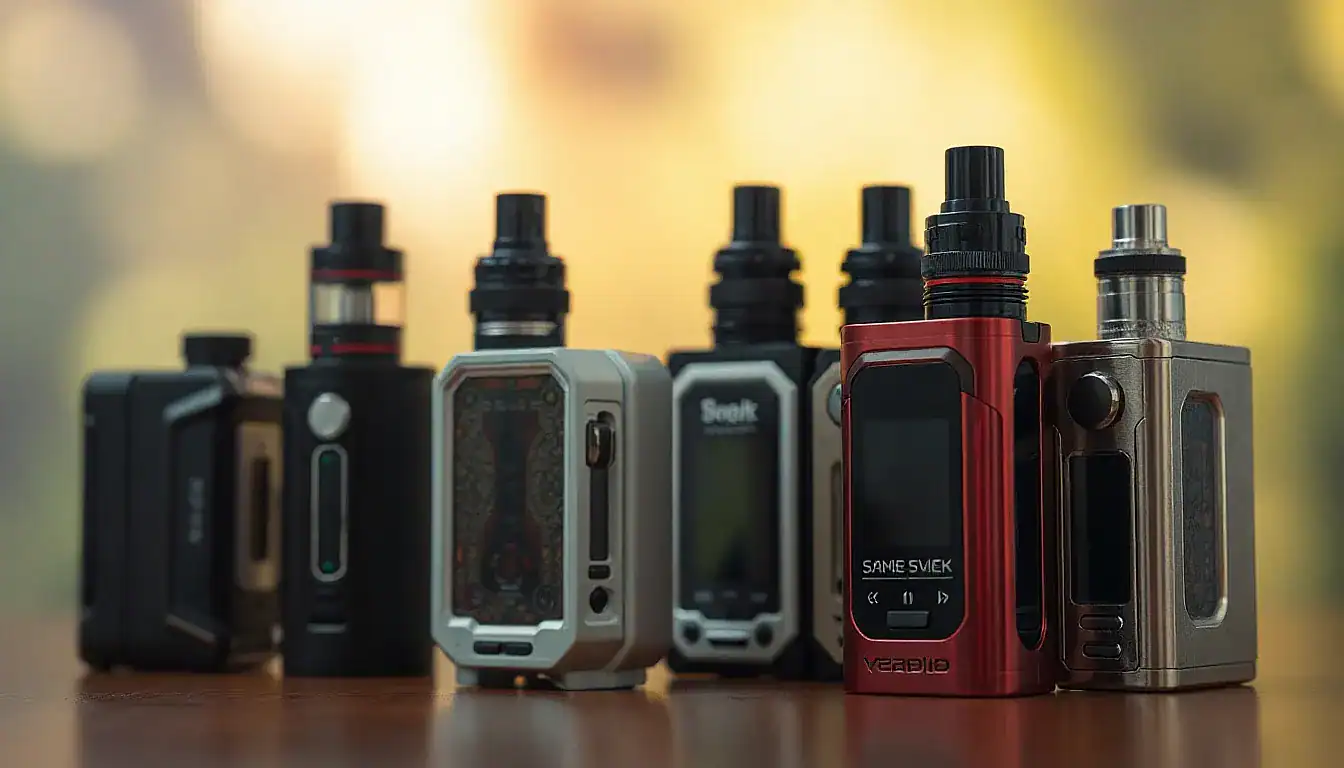
There are four main categories worth knowing: DNA-chipset regulated mods, mechanical mods, regulated mods with third-party or proprietary chips, and the increasingly capable pod mod hybrids that blur the lines between categories. Understanding the differences before you spend money is genuinely important.
DNA Mods: Precision Technology for Serious Users
Evolv’s DNA chipset is the benchmark. Full stop.
The DNA 60, DNA 75C, DNA 250C — each represents a different tier of capability, but all share the same fundamental architecture: highly accurate power delivery, best-in-class temperature control, and Evolv’s Escribe software that lets you tune every parameter of your device’s behavior on a PC.
Escribe alone is worth talking about. It’s free software that connects to your DNA device via USB and opens up a level of customization most vapers don’t even know exists. You can set custom material TC curves, create puff-by-puff wattage profiles, monitor real-time power delivery graphs, check battery health analytics, and set battery cutoff voltages. It’s the difference between driving a car and actually understanding the engine.
DNA mods are expensive. A Lost Vape Centaurus DNA 250C retails around £150-200. A Dovpo Topside Dual DNA 250C sits in similar territory. That’s serious money for a mod. But the build quality, longevity, and performance consistency justify the cost for vapers who take this seriously — it’s the better option if you’re committed to the hobby long-term and tired of replacing budget mods every year. We looked at an earlier DNA 60 platform in our Lost Vape ESquare and EPetite DNA 60 review — the chip architecture has only improved since then.
The DNA 75C is arguably the sweet spot. Enough power for the vast majority of builds (75W), excellent TC performance, lighter and more compact than dual-battery 250C builds, and compatible with a huge range of devices from manufacturers like Lost Vape, Wismec, and Vandy Vape. The Geekvape Z100C DNA kit review shows what a well-executed DNA build looks like at the 100W tier.
Mechanical Mods: Raw Power and Simplicity
Mechanical mods — mech mods — have no chipset. No screen. No safety features. Just a battery, a firing button, and a 510 connection. When you press the button, full battery voltage hits the coil. No regulation, no protection, no limits.
That sounds dangerous. It can be. Mech mods are explicitly not for beginners.
Used correctly — with appropriate coil builds and high-drain batteries — a mech mod delivers an immediacy and punch that regulated mods can’t quite replicate. There’s no chipset processing delay. No power compensation algorithm. Just direct electrical connection, which translates to the fastest, most responsive hit you can get from a vaping device.
Tube mechs are the simplest form: a metal tube housing a single battery with a firing button at the base or top. Box mechs add a squonk bottle or multiple battery configuration inside a box form factor while maintaining the unregulated firing principle.
Ohm’s law is not optional here. Before you fire a mech mod, you need to know your coil resistance, your battery’s CDR, and the resulting amperage draw (Amps = Volts ÷ Ohms). Running a 0.1-ohm coil on a 4.2V fully charged battery draws 42 amps — which exceeds the continuous rating of most cells and risks catastrophic failure.
Mech mod users who know what they’re doing are building 0.15-0.3 ohm coils, using Molicel P42A or Sony VTC5A cells with 30-35A CDR ratings, and keeping their hardware clean and contact resistance low. They’re not beginners. They shouldn’t be. Our full rundown of the best mech mods covers the top options in this category in much more detail.
Regulated Box Mods: Safety and Consistency
This is the category where most vapers live, and where the best box mods for everyday use are found. Regulated mods use a chipset to manage power delivery, enforce safety cutoffs, and give you the display interface to monitor and adjust settings.
The safety features built into regulated mods aren’t just marketing. Short-circuit protection cuts power instantly if coil resistance drops below a safe threshold. Over-temperature protection prevents the mod body from overheating. Low-resistance lockout stops you firing a coil that would draw dangerous amperage. Reverse-battery protection means inserting cells the wrong way doesn’t destroy the device.
These protections exist because the consequences of lithium cell failure are serious. Our article on the truth about vaping explosions covers what actually causes battery failures and how regulated mods prevent them.
This includes everything from the Voopoo Drag series and GeekVape Aegis range to Vaporesso’s Gen lineup and the SMOK Morph family. These devices run proprietary or licensed chipsets — Voopoo’s GENE chip, GeekVape’s AP 2.0, Vaporesso’s AXON — that deliver capable (if not DNA-level precise) performance at significantly lower price points.
The GENE chip deserves a special mention. Voopoo developed it in-house, and across multiple generations it’s become one of the most refined proprietary chipsets in mass-market vaping. The Drag 6 — Voopoo’s current flagship — runs a GENE chip with 0.001-ohm resistance reading accuracy, 100W output from a single 21700 cell, and a 0.96-inch TFT display that’s genuinely clear and responsive. Read our full VOOPOO Drag 6 box mod review for the complete breakdown.
GeekVape’s Aegis series dominates the rugged mod category. IP67 dust and waterproofing, shock resistance, and military-grade build quality — these aren’t marketing claims on the Aegis range, they’re tested specifications. The Geekvape Aegis Legend 5 review covers the latest iteration in detail, but the short version is this: if you work outdoors, vape near water, or just drop things regularly, the Aegis Legend is the obvious answer.
Regulated mods also cover the sweet spot for most vapers in terms of price. A quality regulated mod like the Vaporesso Gen SE, GeekVape Aegis Legend, or Voopoo Drag typically retails between £40-80 — significantly less than DNA builds, but with performance that satisfies the vast majority of users.
Dual-Battery vs. Single-Battery Configurations
The choice between single-battery and dual-battery comes down to priorities. Simple as that.
Single-battery mods are lighter, more compact, and easier to carry. They make sense for vapers who vape at moderate wattages (under 80W), prefer a smaller device, or have access to charging throughout the day. A single 21700 cell at 60W will get most people through 6-8 hours of regular use.
Dual-battery configurations give you more capacity, more sustained high-wattage performance, and the reassurance of longer runtime. They’re heavier and bulkier — that’s the trade-off. For cloud chasers pushing 150-200W builds, dual-battery isn’t optional. Single cells just can’t sustain that output reliably.
There’s also a safety dimension. High-wattage vaping on a single cell pushes amperage draw close to or beyond the cell’s continuous rating. Dual-battery configurations split that current demand across two cells — reducing heat buildup and extending cell lifespan. At 150W with two cells vs. one, each cell is doing roughly half the work.
The Best Box Mods on the Market Today
Opinions here are deliberate. These aren’t just popular options — they’re devices that have earned their reputation through real-world performance, reliability over time, and genuine value for the price paid.
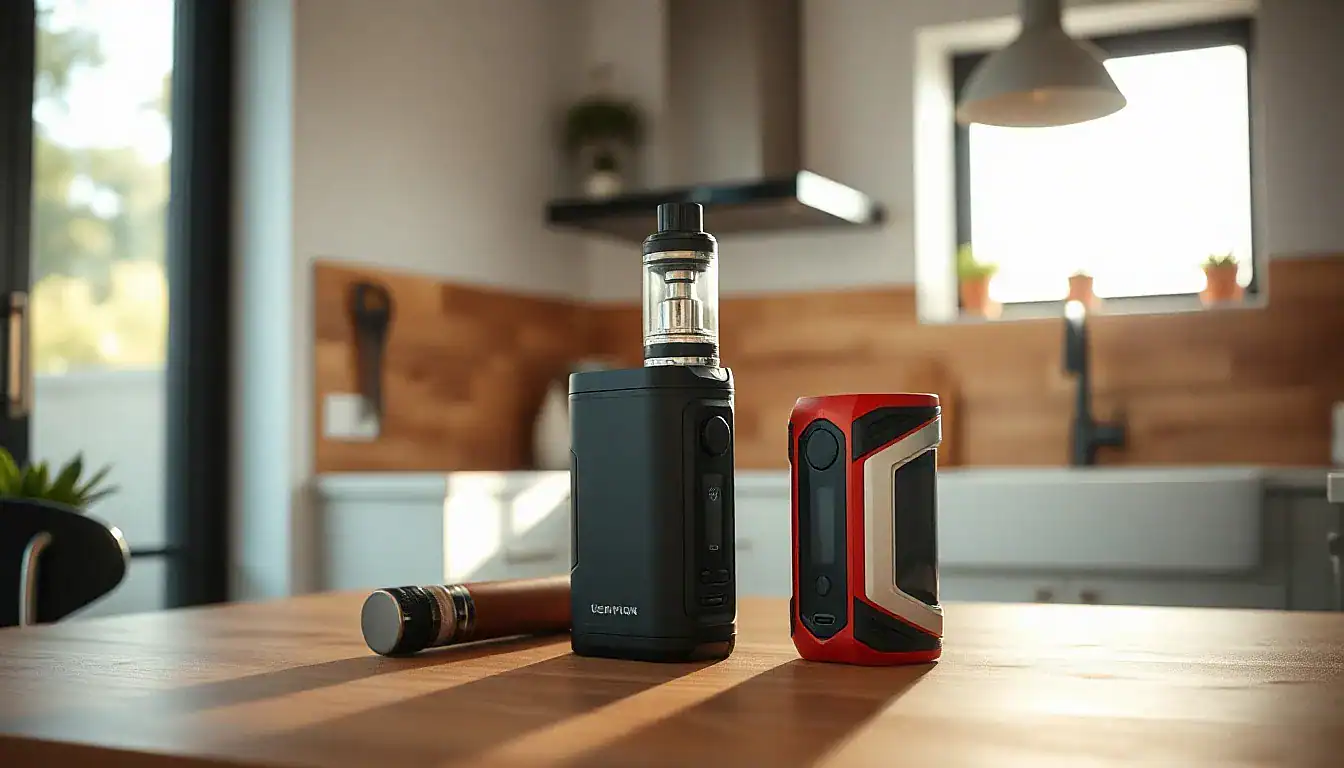
Premium Performance: High-End Models
Lost Vape Centaurus DNA 250C — The benchmark for dual-battery DNA builds. Evolv’s DNA 250C chipset delivers 250W maximum output, full Escribe compatibility, and build quality that genuinely justifies the premium price tag. The chassis is solid zinc alloy with leather or resin panel options. It’s not flashy. It’s precise. For serious vapers who want the best regulated performance available, this is it.
Dovpo Topside Dual DNA 250C — A squonk variant of the same DNA 250C platform, housing a built-in squonk bottle that you top-fill from the top of the device (hence the name). The squonk mechanism works better than most, the DNA chip handles TC flawlessly, and the ergonomics are better than you’d expect from a dual-battery squonk mod. Genuinely impressive engineering.
Steam Crave Meson Hadron Mini DNA 100C — A more compact DNA option worth serious consideration. The DNA 100C offers all the Escribe functionality of its bigger siblings with 100W output and single-battery convenience. We’ve covered it in our Steam Crave Meson-Hadron Mini DNA 100C review — it’s one of the better compact DNA builds available right now.
Best Value Box Mods: Quality Without Breaking the Bank
Here’s where it gets interesting — and where I’d push back against the instinct to spend more.
The Voopoo Drag 6 at around £45-55 delivers single-battery 100W performance with a GENE chip that rivals mid-tier DNA builds for everyday vaping. The resistance reading is accurate, TC mode is usable (if not DNA-precise), and the build quality is excellent. For most vapers — honestly, for the majority — this is enough mod. Full stop.
The GeekVape Aegis Legend 5 sits in similar territory with added ruggedness. Around £50-60, dual 18650 cells, 200W output, IP67 protection. If you’ve ever dunked a mod in a sink or cracked a screen from a drop, the Aegis is the answer.
Vaporesso Gen SE — Single 21700, 80W, AXON chip with a genuinely refined user interface. Often available under £40. The pulse mode on Vaporesso’s AXON chip provides faster coil ramp-up that makes a noticeable difference with mesh coils. Underrated. Our Vaporesso Gen Max and Gen SE review goes into the full spec comparison.
Compact Box Mods: Portability and Power Combined
Compact doesn’t mean compromised anymore. The current generation of single-battery mods achieves impressive output in genuinely pocketable form factors.
The SMOK Morph 2 packs 230W into a dual-battery chassis that’s slimmer than most 200W+ mods. The SMOK Morph 2 review covers the full spec sheet — but the touchscreen interface is the headline feature, giving swipe-based navigation that feels noticeably more intuitive than traditional button navigation.
For true compactness, single-battery builds under 90W from brands like Vaporesso (Target Mini 2), GeekVape (Aegis Solo), and Voopoo (Drag H40) all deliver genuinely capable vaping in jacket-pocket-friendly dimensions. The VooPoo Drag H40 review covers one of the best compact options currently available.
Best for Cloud Chasing: Maximum Wattage Options
Cloud chasing needs dual batteries. No way around it.
The SMOK G-Priv 4 pushes 230W with dual 18650 cells and a large TFT touchscreen display. It’s dramatic-looking — SMOK’s aesthetic tends toward the aggressive — but the performance backs it up. The SMOK G-PRIV 4 mod kit review covers the specifics.
The Freemax Maxus 2 is another cloud-chasing contender — 200W, dual 21700, built around the Freemax 904L coil platform. Our Freemax Maxus 2 review goes deep on coil performance, which is where this device really shines.
Best for Flavor: Lower Wattage, Higher Precision
Flavor vaping lives in the 30-80W range with higher-resistance coils, tighter airflow, and mouth-to-lung or restricted direct-to-lung draws. Raw wattage is irrelevant here — precision and TC accuracy are what matter.
The DNA 75C builds — Lost Vape Thelema Quest, Vandy Vape Pulse V2 — are the flavor chaser’s choice at the higher price tier. Below £60, the Voopoo Drag H40 or Vaporesso Target Mini 2 handle flavor-focused vaping very well with accurate lower-wattage output. The Vaporesso Target Mini 2 kit review is worth reading if compact flavor vaping is your priority.
If you’re unsure what inhalation style suits you best, our guide on the difference between mouth to lung and direct lung inhale explains both techniques and helps you pick the right setup.
Box Mods and E-Liquid Compatibility
Getting your e-liquid wrong for your device setup wastes juice, destroys coils prematurely, and makes your vaping experience genuinely unpleasant. This section is more practical than most guides make it sound.
VG/PG Ratios and Their Effect on Performance
VG (vegetable glycerin) and PG (propylene glycol) are the two carrier liquids in almost every e-liquid formulation. They behave very differently through different devices and coil configurations.
High-VG liquids (70/30 VG/PG or higher) produce thick, dense vapor — ideal for sub-ohm, high-wattage, DTL vaping. VG is viscous. It needs wide coil wicking channels, high wattage to vaporize efficiently, and tanks designed for high-VG flow. Most modern sub-ohm tanks are built around 70VG or higher formulations.
Balanced or high-PG liquids (50/50 or higher PG content) are thinner, carry flavor more intensely, and produce less vapor. They suit MTL vaping perfectly — smaller coil heads, tighter wicking, lower wattage. Running a 50/50 juice through a cloud-chasing sub-ohm tank at 100W will give you a throat hit so harsh it’s borderline unpleasant.
Match your liquid to your setup. High wattage, sub-ohm coil, DTL vaping = high VG. Low-to-medium wattage, higher resistance coil, MTL vaping = higher PG or balanced ratio.
For everything you need to know about these formulations, our E-Liquids PG and VG guide covers the science without overcomplicating it.
Nicotine Levels and Wattage Sweet Spots
Nicotine strength and wattage are directly linked — a relationship most new box mod users get badly wrong.
Higher wattage = more vapor per puff = more nicotine delivered per draw. Running 3mg freebase nicotine at 150W gives you a smooth, manageable hit. Running 18mg at 150W will make you immediately, uncomfortably nauseous.
The general rule: sub-ohm, high-wattage setups work best with low nicotine (1.5mg-6mg freebase, or 5-10mg nicotine salt). MTL setups at 10-25W suit higher nicotine concentrations (12mg-20mg freebase, or 10-20mg salt nic).
Nicotine salt formulations — where nicotine is combined with an acid to lower pH and reduce harshness — work well at moderate wattages. They don’t suit very high wattages, where the smooth delivery can mask how much nicotine you’re actually absorbing. Worth knowing before you make the switch.
Need help picking the right strength? Our guide on how to choose the right nicotine strength for your vape juice walks through it step by step.
Coil Types and Wattage Recommendations
Coil selection determines your wattage range, flavor profile, and vapor production more than almost any other hardware choice.
Standard round wire coils (kanthal, stainless steel, nichrome) heat relatively slowly but produce clean flavor. They’re forgiving, cheap to replace, and work well at a wide range of wattages.
Mesh coils have become the standard in modern sub-ohm tanks for good reason. The mesh structure heats more evenly, more quickly, and produces noticeably better flavor than round wire at equivalent wattages. Most current-generation coils from GeekVape, Voopoo, Vaporesso, and Freemax are mesh variants.
Complex wire builds — Clapton, fused Clapton, alien, staple — are primarily the domain of rebuildable atomizers. They increase surface area dramatically, intensifying flavor and vapor production but requiring higher wattage to heat efficiently. Our dedicated Clapton coils guide covers the different types and their characteristics if you’re considering moving into rebuildables.
Always prime new coils before use. Drip a few drops of e-liquid directly onto the coil cotton through the wicking ports, fill the tank, then wait 5-10 minutes before firing. Skipping this step dry-burns the cotton on first use — producing a harsh, acrid taste that ruins the coil before you’ve even started.
Tank Selection for Optimal Liquid Delivery
The tank you pair with a box mod affects e-liquid consumption, flavor quality, and maintenance frequency significantly.
Sub-ohm tanks with replaceable coil heads are the most user-friendly option. Swap the coil every 1-3 weeks (depending on usage and liquid sweetener content), keep the tank clean, and you’re done. Brands like GeekVape (Zeus range), Voopoo (TPP series), Vaporesso (GTX range), and Freemax (Maxus range) all produce reliable, well-engineered sub-ohm tanks.
RTAs give you the ability to build your own coils while maintaining a reservoir of liquid — the best of both rebuildable worlds. The learning curve is steeper, but the cost savings on coils and the flavor improvement are real. If you’re interested in sub-ohm hardware more broadly, our guide on what sub-ohm tanks are is a solid starting point before you commit to a purchase.
Summary – TLDR
Let’s be honest: the vape mod market is flooded with spec sheets, confusing chipset names, and promises of massive wattage numbers you might never actually use. It is easy to feel overwhelmed when you just want a reliable device that won’t leak, quit on you mid-day, or burn through your coils.That is exactly why we did the heavy lifting for you. We spent weeks testing the latest 2026 vape mods—ranking them on what actually matters: flavor delivery, build quality, and battery runtime. Whether you’re a seasoned hobbyist looking for flawless temperature control or making your very first upgrade from a simple vape pen, you’ll find the perfect match for your style and budget right here.