
The VooPoo DRAG S2 and VooPoo Drag S3 sit close together in VooPoo’s lineup, sharing the same 60 W max output, display screen, adjustable airflow, and variable wattage control. On paper they look like siblings rather than rivals.
The real differences show up in the battery and charging details, where the two devices take noticeably different approaches. This comparison sticks to the documented specs to show where each device actually pulls ahead, and where the evidence simply isn’t there to call a winner.
| Spec | VooPoo DRAG S2 | VooPoo Drag S3 |
|---|---|---|
| Image | 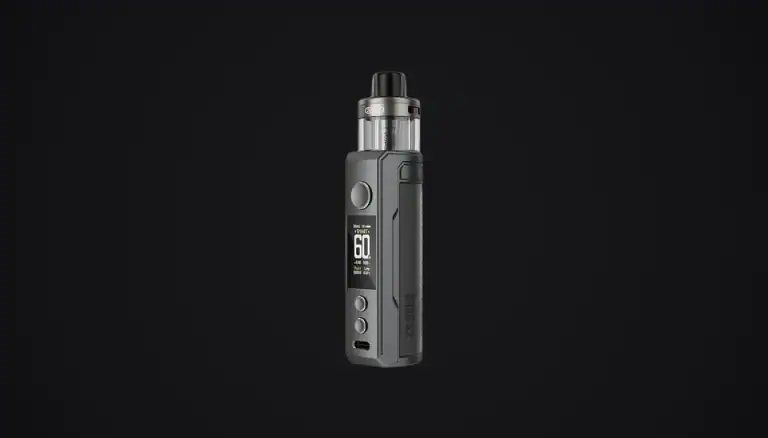 | 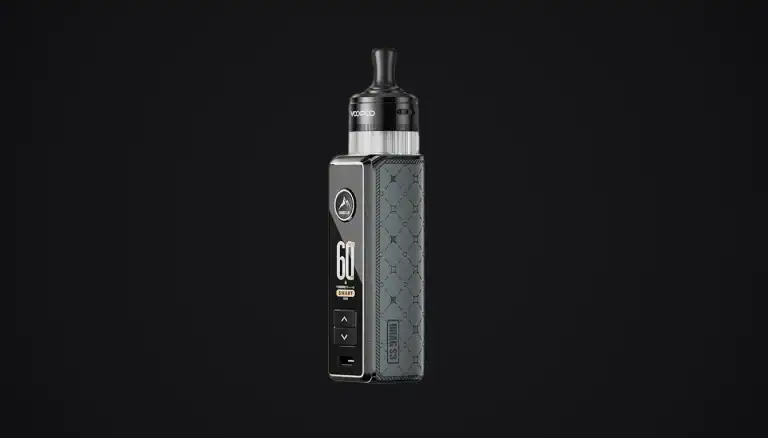 |
| Battery capacityBattery | 2500 mAh | 3000 mAh |
| Max outputPerformance | 60 W | 60 W |
| Battery typeBattery | Internal | built-in, non-removable |
| Display screenConvenience | Yes | Yes |
| Adjustable airflowConvenience | Yes | Yes |
| Variable wattagePerformance | Yes | Yes |
| Charge time to 80%Battery | 🏆 45 min | 90 min |
| Charge currentBattery | 🏆 5 A | 2 A |
| WeightConvenience | 141 g | Not stated |
| Coil resistancesPerformance | 0.1-3.0 Ω | 0.15Ω to 1.0Ω |
| Charging portBattery | Type-C | Type-C |
| Build materialConvenience | Zinc Alloy + Leather | Zinc alloy with leather texture |
| Best US priceat time of comparison | $29.90* | $32.99* |
| Read Review & Best Price | Read Review & Best Price |
* Lowest US price we found on 21 Aug 2026. Prices change often — see each review below for live pricing.
Battery
The VooPoo Drag S3 has a larger stated battery capacity at 3000 mAh versus 2500 mAh on the VooPoo DRAG S2, but capacity alone doesn’t decide this category. Charging tells a clearer story: the DRAG S2 charges to 80% in 45 minutes on a 5 A current, while the Drag S3 takes 90 minutes at 2 A. That gap in charge speed and current is why the VooPoo DRAG S2 wins the Battery category overall, despite carrying the smaller cell.
Performance
Both devices max out at 60 W and offer variable wattage, so there is no output difference to point to. Coil resistance ranges differ on paper — 0.1-3.0 Ω for the VooPoo DRAG S2 versus 0.15Ω to 1.0Ω for the VooPoo Drag S3 — but the facts don’t specify how this translates to actual vapor production or flavor, so this is marked no comparable data rather than a deciding factor. With matched wattage and no verifiable performance edge either way, Performance is a tie.
Convenience
Both devices include a display screen, adjustable airflow, and a Type-C charging port, giving them equal footing on day-to-day usability basics. The VooPoo DRAG S2 has a stated weight of 141 g, while the Drag S3’s weight is not stated, so a direct handling comparison isn’t possible. Build material is described similarly for both — zinc alloy with a leather texture — but without matching detail this doesn’t tip the scale. Convenience is a tie.
The VooPoo DRAG S2 suits vapers who prioritize fast charging and want to get back to using the device quickly, thanks to its 45-minute 80% charge time on 5 A.
The VooPoo Drag S3 suits vapers who want a larger-capacity 3000 mAh battery and don't mind a longer charge cycle in exchange for it.
The verdict
Neither device comes out as an outright winner. The VooPoo DRAG S2 has a clear edge in Battery thanks to its faster charge time and higher charge current, while Performance and Convenience are ties based on matched specs and gaps in the available data. Buyers should weigh the charging advantage of the DRAG S2 against the larger stated battery capacity of the Drag S3, and recognize that some specs — like weight and coil range performance — simply aren’t documented closely enough to compare directly.