
Vape Flavors Guide
Key Takeaways
- Fruit, dessert, menthol, and tobacco flavors dominate the market, with sweet profiles pulling ahead as the single most popular category among vapers today.
- Flavor fatigue (vaper’s tongue) hits single-note sweet flavors hardest; layered or menthol-based profiles hold up far better over weeks of daily use.
- Nicotine strength changes how flavor lands on your tongue — high nicotine concentrations can mute or distort delicate flavors, especially light fruits.
- Pod systems like the Vaporesso XROS reward bold, concentrated flavors, while box mods bring out subtlety in complex, layered e-liquids.
- The same flavor name means little across brands — “strawberry” from one manufacturer can taste nothing like another’s.
The single most useful takeaway: match your flavor’s intensity and complexity to your device type before you buy in bulk, because hardware changes taste more than most vapers realize.
Here’s a question worth asking before you spend another dollar on e-liquid: do you actually know why your favorite flavor tastes different depending on the device you’re using? Most vapers don’t. They chase brand names, follow social media hype, or grab whatever’s on sale — then wonder why the “same” strawberry flavor tastes flat in one pod and vivid in another.
This vape flavors guide exists to fix that. Flavor selection isn’t just about picking a fruit or dessert you like. It’s about understanding how nicotine strength, coil wattage, PG/VG ratio, and even the season affect what actually hits your tongue. Get this right and every puff delivers what you paid for. Get it wrong, and you’ll burn through liquid trying to chase a taste that never quite lands.
A good flavor guide has to go beyond “here’s a list of popular flavors.” So this one does. We’ll cover the categories that matter, the mistakes beginners make, why your box mod tastes nothing like your pod system, and the flavor fatigue problem nobody talks about until they’re three bottles deep and hating everything in their tank.
What Are Vape Flavors? (Understanding the Basics)
Popular Vape Flavor Categories
The Best Vape Flavors for Beginners
Pod System Flavors vs. Box Mod Flavors
What Are Vape Flavors? (Understanding the Basics)
Vape flavors are concentrated flavoring compounds suspended in a base of propylene glycol (PG) and vegetable glycerin (VG), designed to vaporize at low temperatures and deliver taste through inhalation. That’s the technical answer. The practical answer? It’s chemistry doing a very convincing impression of your favorite candy, fruit, or dessert.
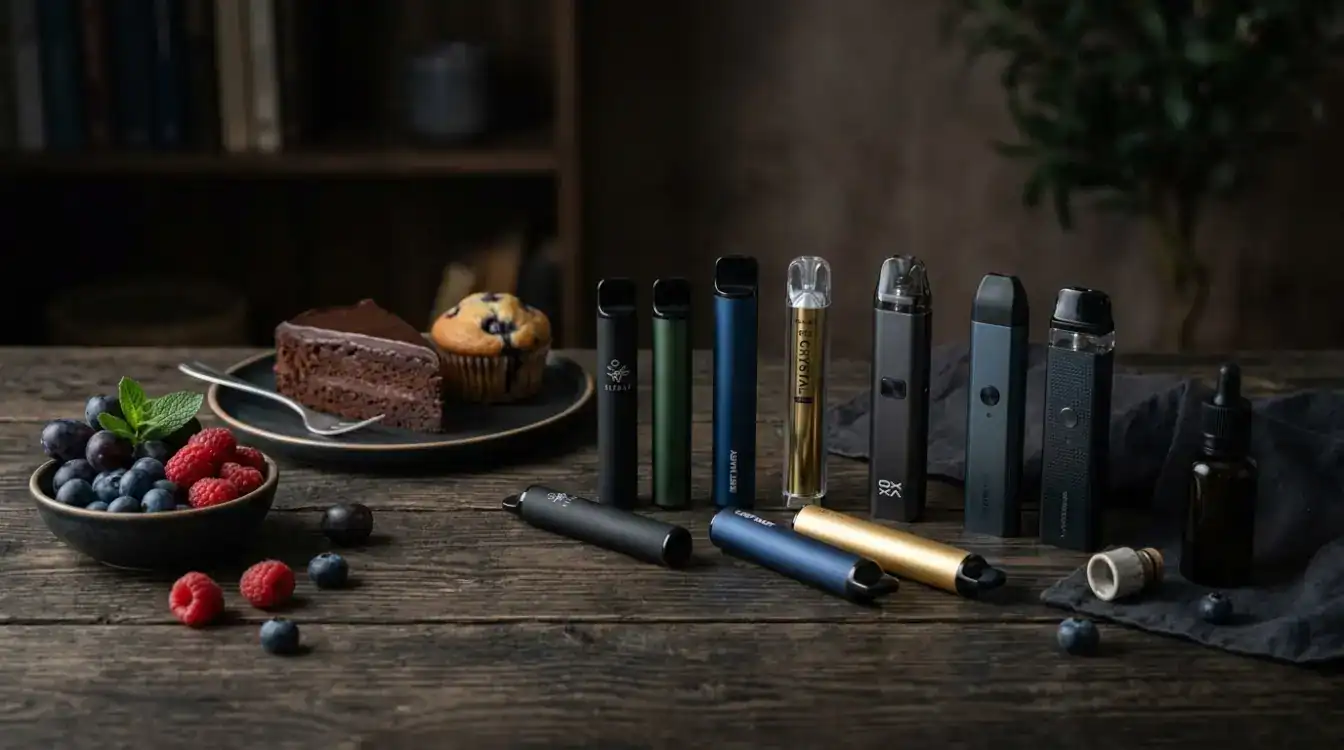
Manufacturers start with food-grade flavoring concentrates — often the same suppliers used in the food industry — and blend them into a PG/VG base at specific ratios. Some liquids skew heavy on PG for a sharper throat hit and crisper flavor delivery. Others lean into VG for smoother vapor production and thicker clouds, which can actually soften how flavors present themselves.
How Flavor Liquids Are Made
E-liquid production blends flavor concentrates (usually 5-20% of total volume) with a PG/VG base and, in most cases, nicotine. The flavor concentrates themselves are proprietary — this is why two “watermelon” vapes from different brands can taste like completely different fruits. Retailers like Vape Superstore and VapeJuice carry hundreds of proprietary blends precisely because there’s no standardized recipe for what “watermelon” has to taste like 15.
PG vs. VG: Impact on Flavor Delivery
PG carries flavor more efficiently than VG. That’s not opinion — it’s basic fluid chemistry. Propylene glycol has a thinner viscosity and lower vaporization point, so it releases flavor compounds faster and more distinctly. High-VG liquids (70%+ VG) tend to taste sweeter and smoother but slightly muted, which is why cloud-chasers using sub-ohm tanks often notice their flavors taste “rounder” but less sharp than a high-PG liquid in a pod system.
Flavor Concentration and Intensity Ratings
Some brands label intensity; most don’t, which is honestly a problem for anyone trying to make an informed choice. Without a standard rating system, you’re stuck relying on reviews or trial and error. My advice? Buy the smallest bottle size available when trying a new brand, no matter how good the reviews look. You’re testing intensity, not stocking up.

Popular Vape Flavor Categories
Five flavor families dominate the vape market: fruit, dessert/candy, menthol, tobacco, and beverage-inspired liquids — and sweet flavors, particularly fruit and dessert combinations, are consistently the most popular choice among vapers across age groups 24. Ecigmafia’s flavor breakdown and Puff Ignite’s guide both point to the same conclusion: sweetness sells 24.
Fruit Flavors (Berries, Citrus, Tropical)
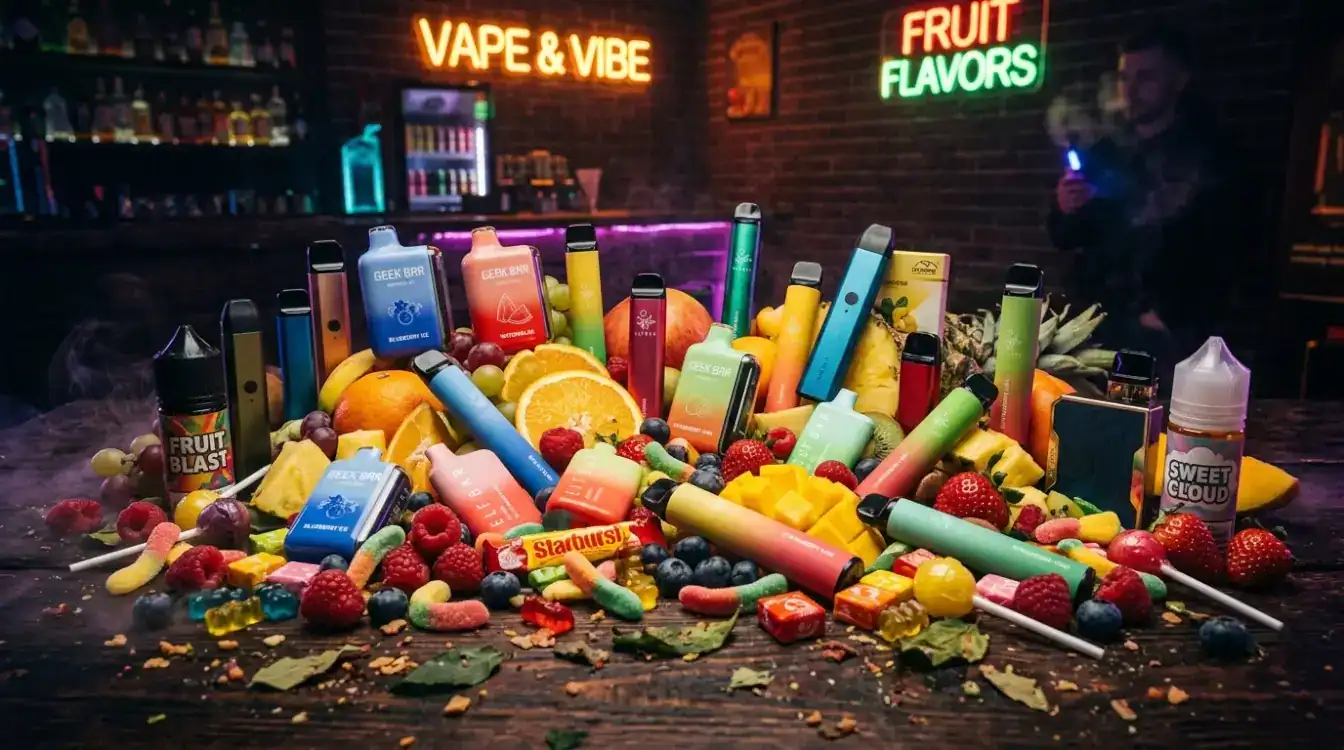
Fruit flavors are the entry point for most vapers and remain the best-selling category overall. Berries (strawberry, blueberry, raspberry) tend to be softer and sweeter, citrus profiles (lemon, grapefruit) deliver sharper, more acidic notes, and tropical blends (mango, pineapple, passionfruit) split the difference with a rounder sweetness. Mixed fruit blends — think a strawberry-kiwi-watermelon combo — outsell single-note fruits in most online stores, based on catalog data from vape retailers like VapeJuice 5.
Dessert & Candy Flavors (Vanilla, Cake, Chocolate)
Dessert flavors replicate baked goods, custards, and candy almost too well sometimes. Vanilla custard, birthday cake, and churro-style flavors dominate this category. Here’s my honest take: dessert flavors are the most likely to cause flavor fatigue fast, because the sweetness saturates your palate quicker than fruit or menthol does. Great for an occasional treat vape. Bad as an all-day vape.
Menthol & Mint Flavors
Menthol and mint flavors deliver a cooling sensation that masks throat harshness, which is exactly why they’re popular among vapers transitioning off cigarettes. Straight menthol, spearmint, and “arctic” or “ice” hybrid flavors (like mint-melon or menthol-mango) round out this category. Unlike dessert flavors, menthol tends to resist palate fatigue — more on that later.
Tobacco & RY4 Flavors
Tobacco flavors — including RY4, a caramel-tobacco hybrid that’s become its own subcategory — cater primarily to former cigarette smokers who want familiarity without combustion. These flavors trend lower in overall sales compared to fruit and dessert but maintain a loyal, consistent customer base.
Beverage Flavors (Coffee, Tea, Energy Drinks)
Coffee, chai, iced tea, and energy-drink-inspired flavors occupy a smaller but growing niche. They work well as morning vapes or afternoon pick-me-ups, and they tend to pair unusually well with slightly higher nicotine strengths — the bitterness in coffee-flavored liquids balances out nicotine’s natural harshness better than fruit does.
The Best Vape Flavors for Beginners
The best vape flavors for beginners are simple, single-note fruit or mild menthol profiles — think plain strawberry, watermelon, or a light mint — because they’re the least likely to overwhelm a palate that’s still adjusting to vapor inhalation and nicotine intake 3. Vapdxb’s 2026 beginner guide backs this up, noting that new vapers report higher satisfaction rates with straightforward flavors over complex, layered blends 3.
Why Beginner Flavor Selection Matters
New vapers are dealing with a lot at once: nicotine sensitivity, inhale technique, and device operation. Throwing an intensely sweet dessert flavor or an aggressive menthol into that mix can genuinely sour someone on vaping altogether. Simple flavors let you isolate variables — you’ll know if you dislike the sensation of vaping itself versus disliking the specific flavor.
Recommended Starting Flavors
Plain fruit flavors — strawberry, watermelon, apple — and light mints top the recommendation list across nearly every beginner guide, including Vapdxb’s and Mr. Fog’s flavor breakdowns aimed at new users 37. These flavors are forgiving. They don’t punish you if your wattage is slightly off or your inhale is too harsh.
What to Avoid as a New Vaper
Skip intensely sweet custards, heavy RY4 tobacco blends, and anything marketed as “extreme menthol” for your first few weeks. These profiles are acquired tastes, and pairing them with the learning curve of vaping technique is a recipe for a bad first impression. Save the complex stuff for once you’ve got your bearings.
Pod System Flavors vs. Box Mod Flavors
Pod systems and box mods vaporize e-liquid at fundamentally different temperatures and wattages, which means the same flavor can taste noticeably different depending on which device delivers it. This is the part most flavor guides skip entirely — and it’s arguably more important than the flavor name itself.
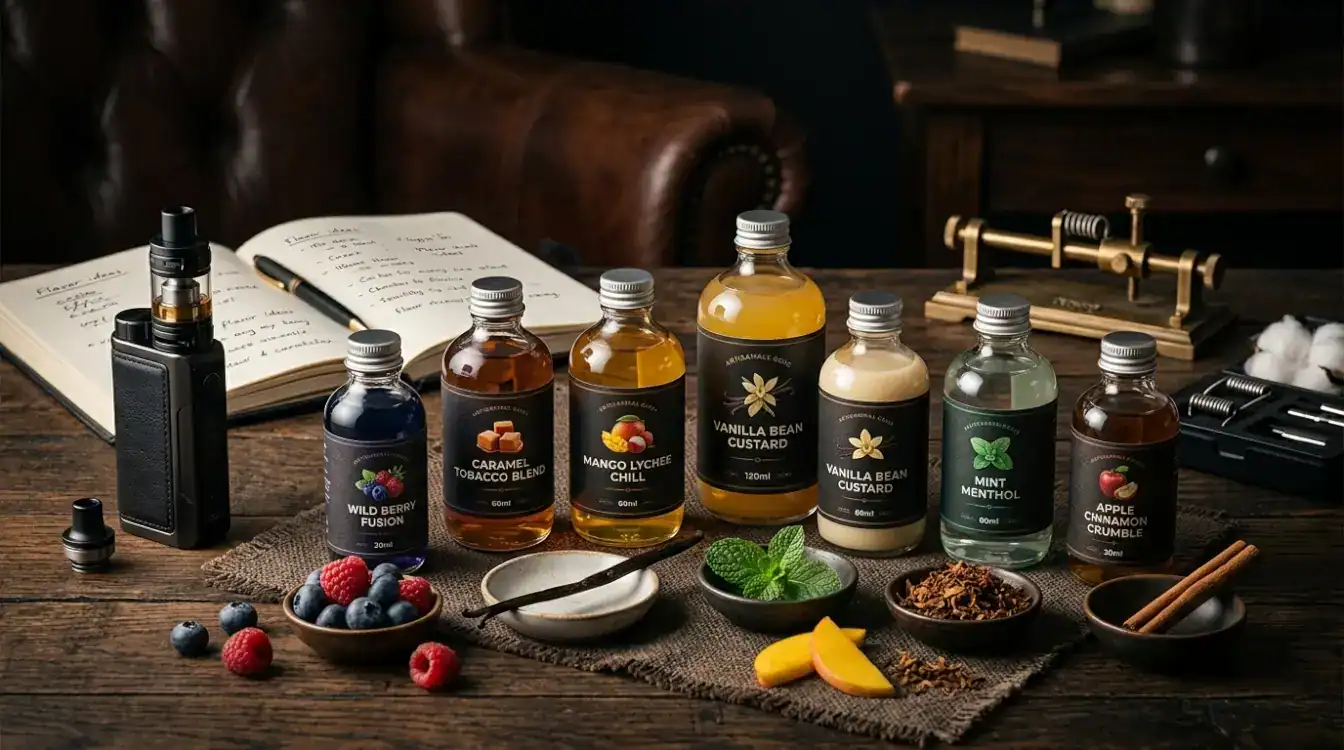
Best Flavors for Pod Vapes (Vaporesso XROS, Caliburn, Suorin)
Pod systems like the Vaporesso XROS operate at lower wattages (typically 10-25W) and use tighter airflow, which concentrates flavor into a punchier, more immediate hit. Bold, simple flavors — fruit blends, mint, and straightforward dessert profiles — perform best here because the shorter vapor path doesn’t give subtle notes room to develop. Complex, layered liquids often taste muddled in a pod system simply because there isn’t enough vapor volume to separate the individual notes.
✓ Pros
- Bold single-note flavors taste vivid and immediate
- Lower e-liquid consumption means less flavor fatigue over time
- Great for nicotine salts, which pair well with simple profiles
✗ Cons
- Complex or layered flavors often taste flat or muddled
- Less vapor volume means less flavor “spread” on the palate
Best Flavors for Box Mod and Sub-Ohm Tanks
Box mods running at higher wattages (40W and up) push more vapor volume, which gives layered and complex flavors room to actually unfold. This is where dessert flavors with multiple components — say, a vanilla custard with caramel and graham cracker notes — really shine. The extra vapor also means faster e-liquid consumption, so pick flavors you won’t tire of quickly if you’re running a box mod as your daily device.
How Wattage Changes Flavor Perception
Higher wattage means more heat, which means faster vaporization of flavor compounds — but push it too far and you’ll scorch the coil, producing a burnt taste that ruins even the best e-liquid. Every flavor has a wattage sweet spot. Fruit flavors generally taste best at moderate wattages (15-30W) where their brighter notes don’t get overcooked, while dessert and tobacco flavors can handle higher wattages (30-50W) without losing their depth.
Flavor Fatigue: Why Your Favorite Taste Disappears
Flavor fatigue — often called “vaper’s tongue” — happens when your olfactory receptors become desensitized to a specific flavor compound through repeated, prolonged exposure, making a once-vivid flavor taste flat, muted, or almost nonexistent. It’s not your device malfunctioning. It’s not a bad batch of e-liquid. It’s your nose adapting the same way it stops noticing a scented candle after twenty minutes in the room.
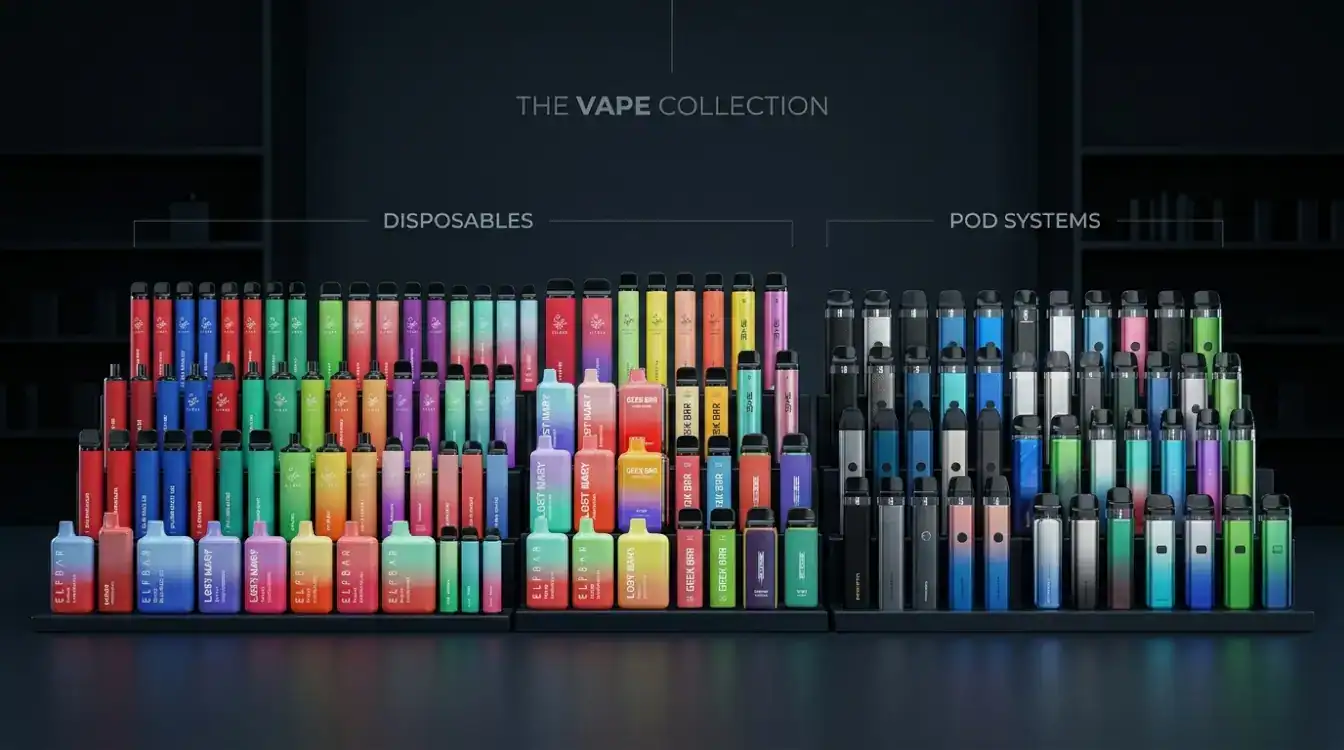
What Causes Flavor Fatigue
Your olfactory receptors habituate to consistent chemical signals over time — vape a strawberry flavor daily for three weeks, and those specific receptors essentially tune it out. This is a sensory adaptation issue, not a taste bud problem, which is why swishing water around your mouth won’t fix it but taking a break from that exact flavor will.
Which Flavor Types Are Most Susceptible
Single-note sweet flavors fatigue fastest, and dessert profiles are the worst offenders. Vanilla custards, cake flavors, and simple sugary fruit blends tend to burn out within one to two weeks of daily use because there’s only one dominant note for your receptors to habituate against. Compare that to a layered flavor with five or six interacting notes — there’s more complexity for your nose to keep parsing, so fatigue sets in slower.
Flavor Profiles That Resist Fatigue
Menthol and mint flavors hold up noticeably longer than sweet profiles because the cooling sensation comes from a different receptor pathway (TRPM8, the same one that responds to actual cold) rather than pure olfactory adaptation. Tobacco and RY4 blends also resist fatigue better than dessert flavors, likely because their flavor profile is inherently more complex and less singularly sweet. If you’re someone who vapes heavily throughout the day, building your rotation around menthol and tobacco with occasional dessert treats will get you further than an all-dessert lineup.
Proven Prevention and Recovery Strategies
Rotate between two or three distinct flavor categories rather than sticking to one, and give a fatigued flavor at least a week of rest before returning to it. Some vapers also swear by palate cleansers — plain water, unflavored gum — between switching flavors, though the evidence here is more anecdotal than proven. My honest take: rotation works better than any cleanser trick. If you’ve got a favorite dessert flavor you don’t want to burn out, save it for evenings only and use something else the rest of the day.
How Nicotine Strength Affects Flavor
Nicotine strength absolutely affects flavor perception, and higher concentrations — particularly above 25mg in salt-nic formulations — can mute delicate flavor notes or introduce a harsh, chemical aftertaste that fights against the liquid’s intended profile. This is one of the most overlooked variables in flavor selection, and it’s the reason two bottles of the exact same juice can taste completely different at 3mg versus 50mg.
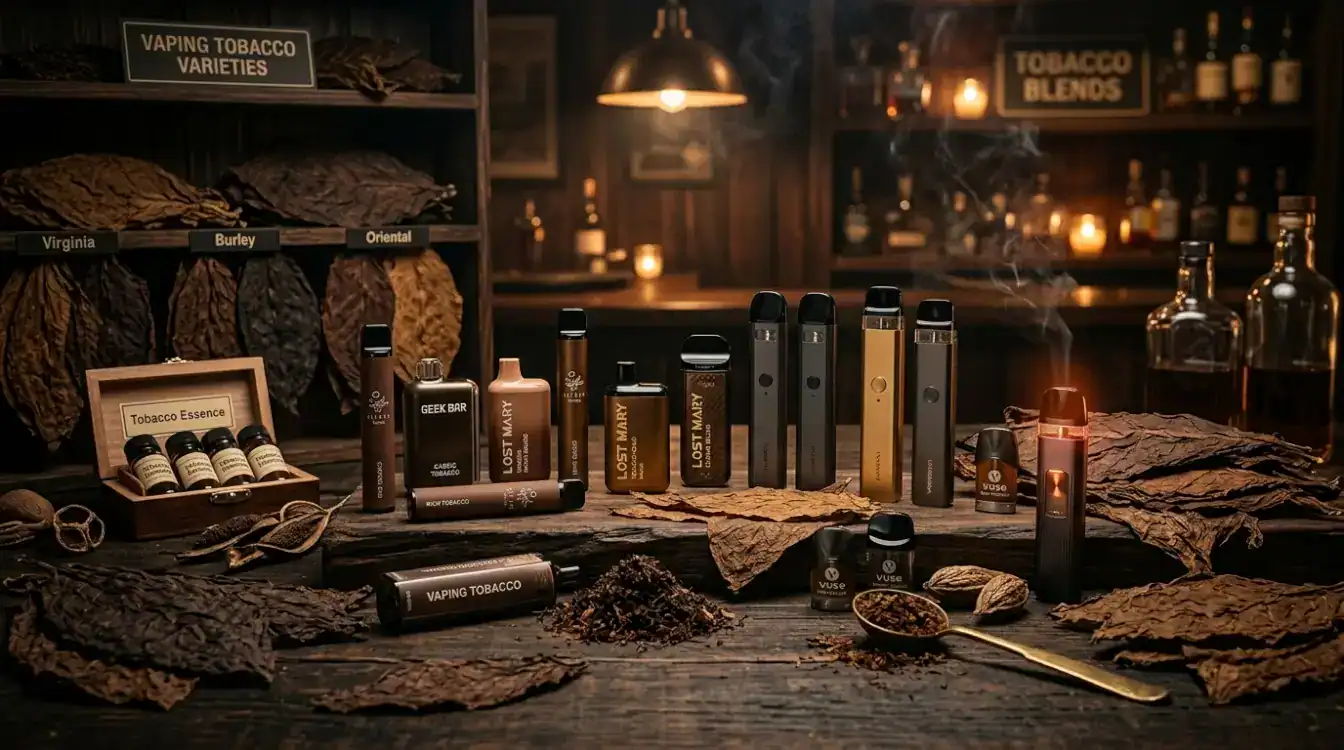
Nicotine Masking Effects on Certain Flavors
Light, delicate flavors — think white grape, cucumber, or subtle floral notes — get overpowered easily by nicotine’s inherent bitterness at higher strengths. Bold flavors like menthol, RY4 tobacco, or intensely sweet dessert blends mask that bitterness far more effectively. If you’re running 50mg salt nic and wondering why your delicate fruit vape tastes muddy, the nicotine strength is very likely the culprit, not the e-liquid itself.
Why High Nicotine Can Create Harshness
Nicotine itself carries a naturally sharp, slightly peppery taste that intensifies at higher concentrations, and that sharpness can clash with certain flavor compounds to produce an unpleasant chemical note — vapers sometimes describe it as “peppery” or “metallic.” This reaction seems more common with citrus and menthol combinations at high nicotine strength, though individual sensitivity varies a lot from person to person.
Best Flavor-to-Nicotine Pairings
| Nicotine Strength | Best-Paired Flavors | Flavors to Avoid |
|---|---|---|
| 0-6mg (Freebase) | Delicate fruits, florals, light beverage blends | None — low strength rarely masks flavor |
| 12-18mg (Freebase) | Mixed fruit, dessert, mild menthol | Very subtle single-note florals |
| 25-35mg (Salt Nic) | Menthol, RY4 tobacco, bold dessert | Light citrus, delicate fruit blends |
| 50mg (Salt Nic) | Intense menthol, straight tobacco | Nearly all delicate or subtle flavors |
Freebase vs. Salt Nicotine Flavor Performance
Salt nicotine hits the throat more smoothly than freebase at equivalent strengths, but it also tends to carry a slightly different flavor signature — some vapers describe salt-nic liquids as tasting “flatter” or less vibrant than freebase versions of the same flavor. That’s partly why pod systems using nic salts, including devices like the Vaporesso XROS, lean toward bold flavor profiles: they need the extra punch to cut through.
Flavor Intensity Across Brands: Why the Same Name Tastes Different
The same flavor name from two different manufacturers can taste completely different because there’s no industry standard for flavor concentrates, ratios, or naming conventions — “mango” from one brand might taste like ripe tropical fruit, while another’s “mango” tastes closer to candy syrup. This is one of the biggest sources of frustration for vapers switching brands, and it’s rarely explained clearly anywhere.
Why Brand Matters More Than Flavor Name
Each e-liquid manufacturer sources flavor concentrates from different suppliers and blends them using proprietary ratios they don’t disclose. A brand’s “watermelon” might use three different concentrate compounds layered together, while a competitor uses a single dominant note. Neither is wrong — they’re just different products wearing the same label. Shops like eJuiceDB and Vape Juice carry dozens of brand variations on identical flavor names specifically because customer preference varies this much 56.
Comparative Intensity: Premium vs. Budget Brands
Premium e-liquid brands generally invest more in higher-quality, multi-layered flavor concentrates, which tends to produce a more complex, true-to-life taste. Budget brands often use single-note concentrates that taste more artificial or one-dimensional, though — and this matters — that’s not automatically a bad thing. Some vapers actually prefer that punchier, more candy-like simplicity over a “realistic” fruit taste. Don’t assume expensive means better for your palate specifically.
How to Identify Your Flavor Tolerance Level
Pay attention to whether you gravitate toward bold, simple flavors or subtle, layered ones. If you find yourself constantly adding extra flavor drops or cranking wattage to “taste more,” you likely have a higher flavor threshold and should shop premium, intensity-rated brands. If subtle flavors already feel overwhelming to you, budget or mild-labeled liquids will serve you just as well at a lower cost.
Sampling Strategy Before Bulk Orders
Buy the smallest available bottle size when trying a new brand’s version of a flavor you already like elsewhere — a 15ml or 30ml bottle is enough to judge intensity without wasting money if it’s not what you expected. This is doubly true for anyone comparing disposable flavor options; guides like the Best Geek Bar Flavors rundown are worth checking before committing to a full box of a flavor you’ve never tried in that specific brand.
Seasonal and Regional Flavor Trends
Flavor preference shifts noticeably with the seasons — warming, dessert-driven flavors dominate colder months, while fruit, menthol, and tropical profiles surge in popularity during summer. This pattern shows up consistently across online vape retailers’ seasonal bestseller lists and isn’t just marketing spin; it tracks with how our palates respond to ambient temperature.

Winter Flavor Preferences
Cold-weather vapers lean toward richer, warmer flavors — think spiced chai, vanilla custard, caramel, and RY4 tobacco blends. These flavors feel more satisfying when the air outside is cold, likely because they mimic the comfort-food associations most people have with winter anyway.
Summer Flavor Trends
Summer flips the script entirely toward menthol, mint, and bright tropical fruit — watermelon, pineapple, and citrus blends spike hard in warmer months. The cooling sensation of menthol becomes genuinely more appealing when it’s hot outside, which explains why menthol sales patterns tend to track ambient temperature almost like a thermostat.
Regional Flavor Popularity by US Market
Flavor preference in the US shows some regional variation too, though it’s less dramatic than seasonal shifts. Southern and Southwestern markets tend to favor menthol and citrus year-round given the warmer climate, while Northern and Midwest markets show stronger dessert and tobacco flavor sales, particularly in fall and winter months.
Emerging Niche Flavor Categories
Beverage-inspired flavors — energy drink blends, bubble tea, iced coffee — represent one of the fastest-growing niche categories right now. They’re not dominant yet, but they’re carving out real market share away from traditional fruit and dessert categories, especially among younger vapers looking for something that doesn’t taste like everything else on the shelf.
Choosing the Right Hardware for Your Flavor Preferences
Your flavor choice and your hardware choice aren’t separate decisions — they’re the same decision. A complex, layered dessert liquid wasted on a low-wattage pod system is money down the drain, just as a bold, simple fruit flavor can taste harsh and one-dimensional in a high-wattage sub-ohm setup built for subtlety.
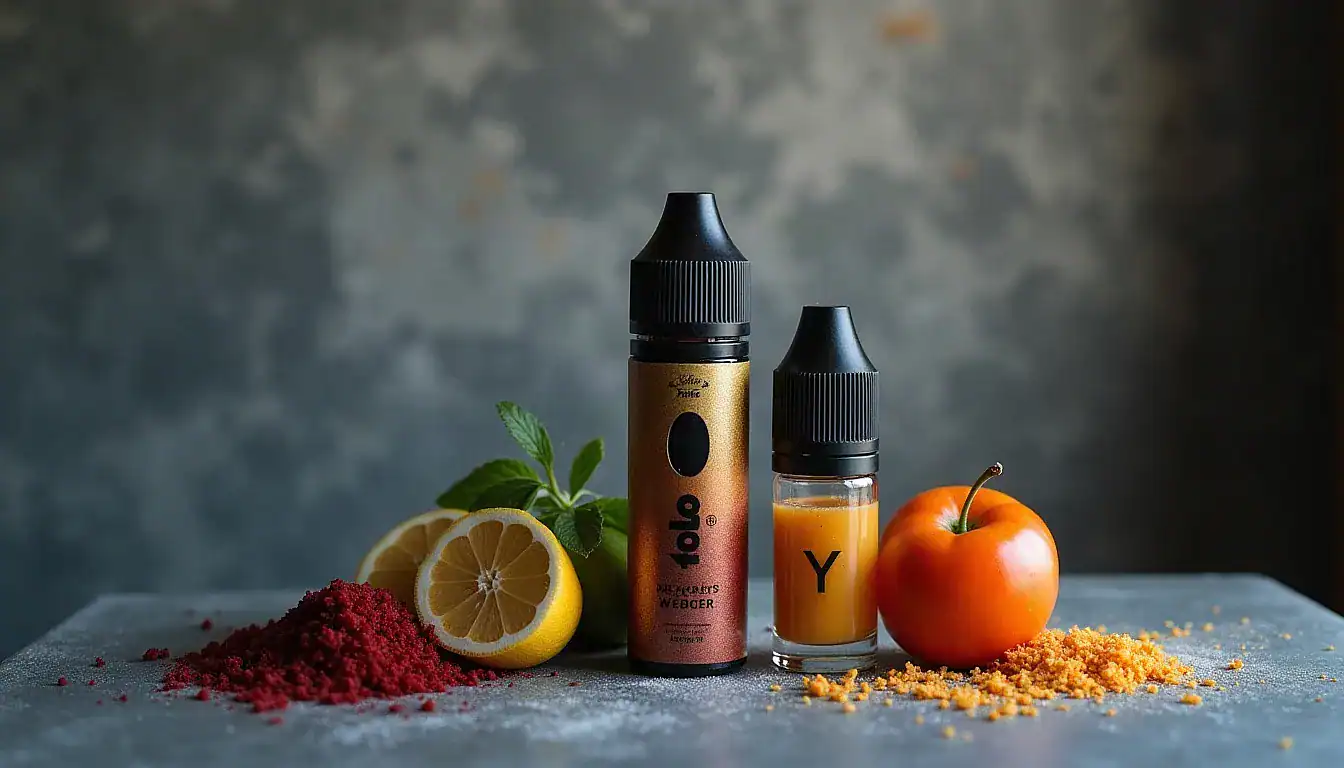
If you’re still building your setup, it’s worth browsing Best Vape Pods 2026 for devices tuned toward bold, punchy flavor delivery, or Best Box Mods 2026 if you’re chasing the layered complexity that only comes with higher vapor volume. And if you’re brand new to this entirely, start with Best Beginner Vape Kits 2026 rather than jumping straight into advanced mod territory — you’ll waste less money and fewer bottles of liquid figuring out what you actually like.
✓ Pros of Matching Flavor to Hardware
- Every flavor performs at its intended intensity
- Less wasted e-liquid from mismatched wattage or airflow
- Fewer disappointing “this tastes nothing like the reviews” moments
✗ Cons of Ignoring the Pairing
- Complex liquids taste muddy on underpowered devices
- Bold liquids taste harsh or overwhelming on high-wattage mods
- You’ll likely blame the flavor when the real issue is the hardware
Final Thoughts
Flavor selection isn’t a guessing game if you know what’s actually driving the experience. Nicotine strength, coil wattage, brand formulation, even the season — every one of these variables changes what hits your tongue, often more than the flavor name on the label does. Honestly, most vapers skip straight to “what flavor is popular” without ever asking whether their device or their nicotine strength is working against them.
Start simple if you’re new. Rotate flavors if you vape daily. Buy small bottles before committing to anything in bulk, and match your flavor complexity to your hardware rather than fighting against it. Do that, and you’ll spend a lot less money chasing a “better” flavor that was actually just a mismatched setup all along.
Frequently Asked Questions
What are the top vape flavors right now?
Fruit blends (strawberry, watermelon, mixed berry), dessert flavors (vanilla custard, birthday cake), and menthol/mint variations consistently rank as the top-selling categories across major online vape retailers 245. Mixed fruit combinations tend to outsell single-note fruit flavors specifically.
What is the best flavor in a vape?
There’s no single “best” flavor — it depends entirely on your device, nicotine strength, and personal taste threshold. That said, simple fruit and mild menthol flavors have the broadest appeal and the lowest chance of disappointing a new or casual vaper.
Can lungs heal after years of vaping?
Lung tissue has some capacity for recovery after quitting vaping, though the extent and timeline depend on individual factors like duration of use and overall health. This is a medical question best directed to a doctor or a resource like the CDC or American Lung Association rather than a flavor guide — we’re not qualified to give health guidance here.
How do I choose the right vape flavor?
Match flavor complexity to your device type first — bold, simple flavors for pod systems, layered flavors for box mods — then factor in your nicotine strength, since higher concentrations mute delicate notes. Start with a small bottle size to test intensity before committing to a full bottle or multi-pack.
Do disposable vapes have different flavor performance than refillable e-liquids?
Disposable vapes are pre-tuned by the manufacturer for a specific wattage and airflow, so flavor consistency tends to be more predictable than refillable systems where you control the variables yourself. Guides like the Best Geek Bar Flavors breakdown are useful precisely because disposable flavor options are fixed rather than adjustable.
Why does my vape taste burnt even though I like the flavor?
A burnt taste almost always means your coil is either worn out or running at too high a wattage for the liquid’s VG content, not a problem with the flavor itself. Dropping your wattage slightly or replacing the coil usually resolves it — check your device’s recommended range rather than assuming the e-liquid is defective.
Sources
- vapesuperstore.co.uk E-Liquids. https://www.vapesuperstore.co.uk/E-Liquid
- puffignite.co Best Vape Flavors Guide: Find Your Perfect Vape One. https://puffignite.co/blogs/unapologetic-the-ignite-blog/best-vape-flavors-guide-find-your-perfect-vape-one
- vapdxb.ae Best Vape Flavors for Beginners (2026 Guide). https://vapdxb.ae/best-vape-flavors-for-beginners/
- ecigmafia.com The Complete Guide to the Best Vape Juice Flavors:. https://www.ecigmafia.com/blog/the-complete-guide-to-the-best-vape-juice-flavors/
- vapejuice.com E JUICE FLAVORS. https://vapejuice.com/collections/e-juice-flavors/
- ejuicedb.com eJuiceDB — Your Trusted Online Vape Shop Since 2015. https://www.ejuicedb.com/
- mrfog.com Best Flavored Vapes: A Guide to Vape Flavors Ladies Love. https://www.mrfog.com/all-posts/best-flavored-vapes/