
Best 18650 Batteries For Vaping
Key Takeaways
- The 18650 is the most widely used battery format in vaping — 18mm wide, 65mm long, and built to handle the high-drain demands most mods require.
- Not all 18650s are equal. Cheap or counterfeit cells can vent, overheat, or fail under load — sometimes dangerously.
- For most vapers, the Samsung 25R, Sony VTC6, LG HG2, and Molicel P42A are the most reliable choices available right now.
- Capacity (mAh) and continuous discharge rate (CDR) are the two specs that matter most — and you often have to trade one off against the other.
- Always buy from authorised dealers. Counterfeits are rampant, especially on third-party marketplaces.
Read on for the full breakdown.
The wrong battery doesn’t just underperform — it can vent toxic gas or go into thermal runaway inside your mod. That’s not a fringe scenario. It’s a documented failure mode that’s happened to real vapers running counterfeit or undersized cells. Choosing the best 18650 batteries for vaping isn’t just about getting better performance — it’s about not turning your device into a liability. This guide covers what actually matters: specs, real-world picks, and where to buy without getting burned. 12
What Are 18650 Batteries?
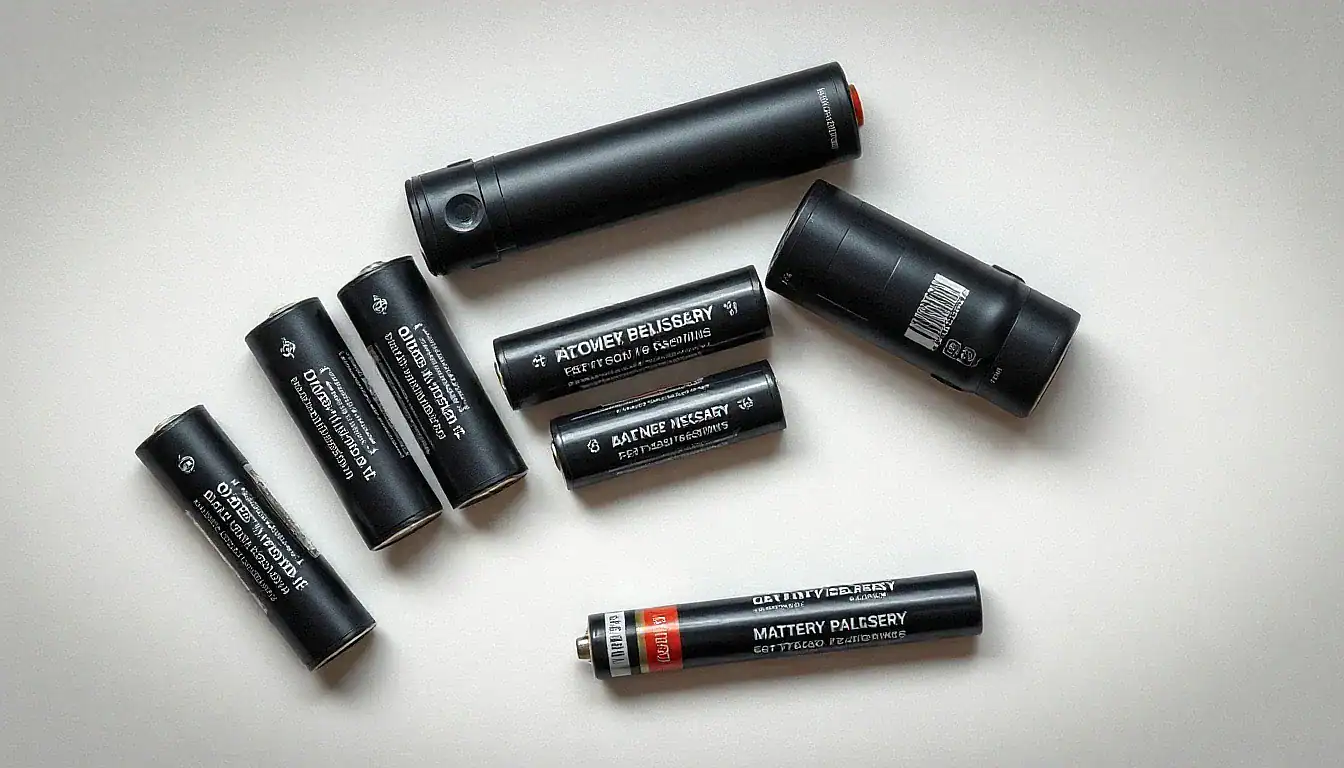
The 18650 isn’t some vaping-specific invention. It predates the entire industry — these cells have been powering laptops, torches, and power tools since the 1990s. The name is just a size code: 18mm in diameter, 65mm in length, cylindrical. That’s it.
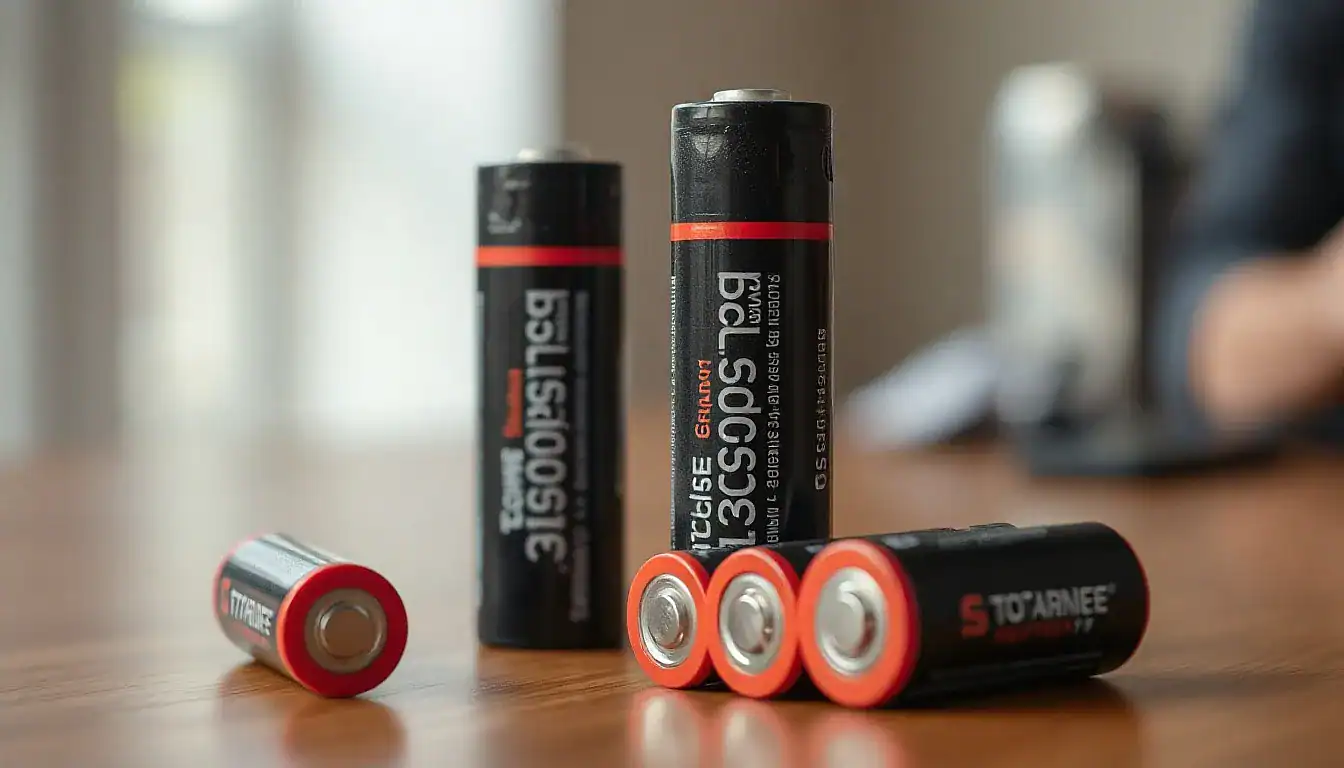
The specs matter a lot more than the name. A standard 18650 delivers 3.7V nominal voltage, with a full charge sitting at 4.2V and a safe discharge cutoff around 3.0V. Capacity typically ranges from 2000mAh to 3500mAh depending on the cell. And the continuous discharge rate — often listed as CDR — tells you how many amps the battery can safely deliver without overheating. 56
That last number is critical for vapers.
History and Why Vapers Chose Them
Early vaping devices ran on proprietary batteries or smaller cells that weren’t built for sustained high-drain use. As mods evolved and wattages climbed, vapers needed something that could deliver real current without dying after an hour. The 18650 was already there — proven, widely available, and manufactured by major companies like Samsung, Sony, LG, and Panasonic. 2
The parallel with power tools isn’t a coincidence. A sub-ohm coil firing at 80 watts pulls serious current — comparable in some ways to a cordless drill under load. The 18650 handles that. Most smaller cells simply don’t.
Key Specifications You Need to Know
Three numbers define whether an 18650 is right for your setup.
Capacity (mAh) — This is how much charge the battery stores. Higher mAh means longer vaping between charges. A 3000mAh cell like the LG HG2 will outlast a 2500mAh cell at the same wattage, full stop.
Continuous Discharge Rate (CDR) — Measured in amps. This tells you the maximum current the cell can sustain safely during normal use. The Samsung 25R carries a 20A CDR. The Molicel P42A pushes 45A. That difference matters enormously if you’re running a high-powered build. 4
Internal Resistance — Lower is better. High internal resistance means the battery loses energy as heat rather than delivering it to your coil. This is often where cheap cells fail — the headline specs look fine, but the internal resistance is quietly terrible.
Why Battery Choice Matters for Your Vaping Experience
Here’s a question worth sitting with: what actually goes wrong when you use the wrong battery?
The answer ranges from annoying to genuinely dangerous. At the mild end, a weak cell gives you sag — voltage drops under load, your mod underperforms, and your coil never quite fires the way it should. Flavour suffers. Clouds suffer. You end up chain-vaping to compensate, which drains the battery faster.
At the serious end, using an underpowered or counterfeit cell in a high-drain setup can cause venting — where the battery releases hot, toxic gases — or in extreme cases, thermal runaway. These aren’t theoretical scenarios. They’re documented, and they’re why the vaping community talks about battery safety so persistently. 3
Safety Concerns with Low-Quality Batteries
The counterfeit problem is worse than most people realise. Batteries sold as “4000mAh” or “5000mAh” 18650s are almost universally fake. The chemistry simply doesn’t support those numbers in this form factor — and cells making those claims are typically rewrapped low-grade batteries with fraudulent labels.
Honestly, I’d avoid Amazon entirely for 18650s unless you’re buying directly from the manufacturer’s own storefront. 7 The risk of getting a counterfeit isn’t worth the couple of pounds you might save. Reputable UK retailers like Fogstar, Vape Store, and NuBattery source directly from verified distributors. 125 A Samsung 25R from Fogstar is a Samsung 25R. The same listing from a random third-party seller? Not necessarily.
Best 18650 Batteries for Vaping: Our Picks
These are the cells that consistently appear across community recommendations, professional reviews, and safety-tested comparisons. No filler picks — just the ones worth buying.
Samsung 25R
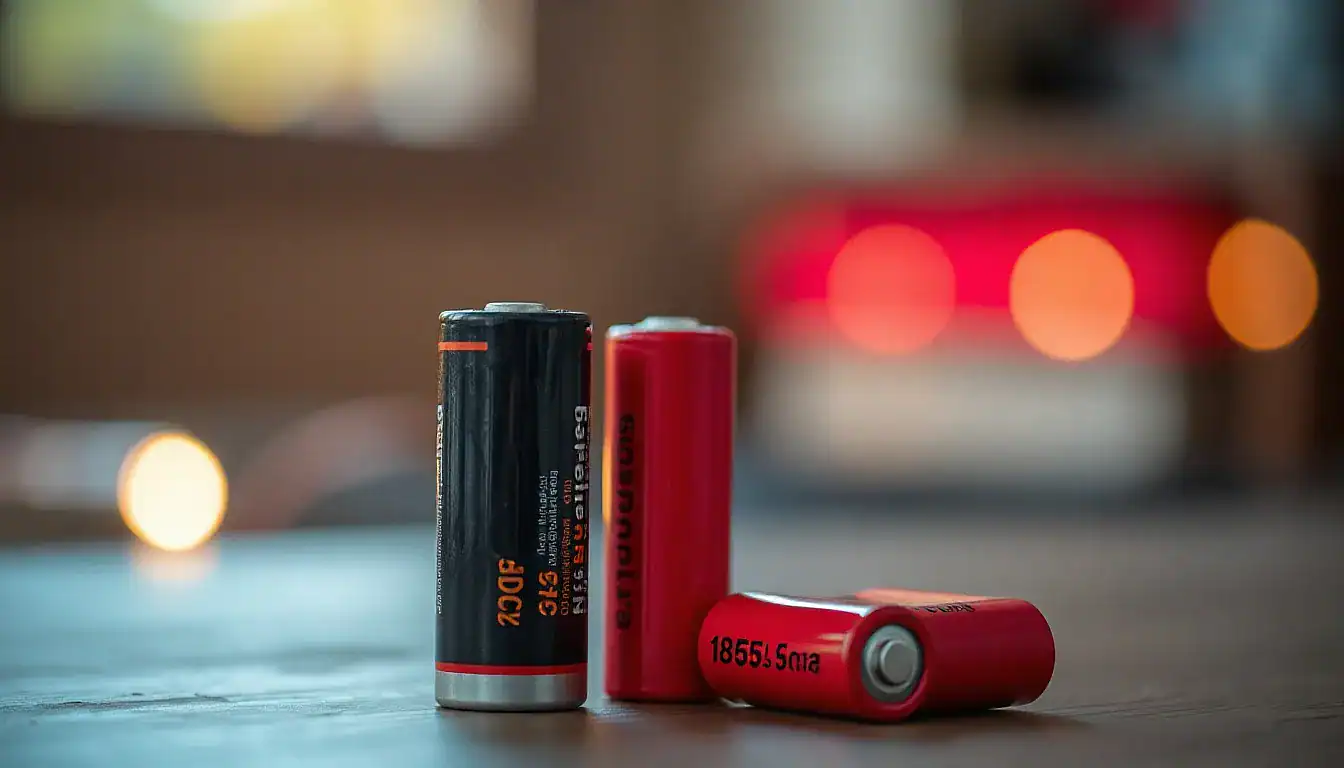
The 25R has been a staple recommendation for years, and it’s earned that status. It delivers a 20A CDR with a 2500mAh capacity — a balanced combination that suits mid-range sub-ohm setups running between 40W and 80W comfortably. It’s not the highest capacity cell on this list, but it’s one of the most consistent. 4
For newer vapers buying their first external battery, the 25R is probably the safest starting point.
Sony VTC6
The VTC6 offers 3000mAh capacity with a 15A CDR — higher capacity than the 25R, slightly lower discharge ceiling. That tradeoff makes it better suited for moderate wattages where battery life matters more than raw amp delivery. 2 Mouth-to-lung setups and lower-powered direct-lung devices work particularly well with the VTC6 — if you’re unsure which style suits you, our guide on the difference between mouth to lung and direct lung inhale breaks it down clearly.
The build quality is excellent. Sony’s cell manufacturing reputation is strong, and it shows in performance consistency across charge cycles.
LG HG2
3000mAh, 20A CDR. The LG HG2 hits both marks cleanly and has earned a loyal following for exactly that reason. It’s the battery I’d point someone toward if they wanted solid all-day capacity without sacrificing discharge performance — a genuine sweet spot. 25
Molicel P42A
The Molicel P42A is worth paying attention to. It delivers 4200mAh capacity alongside a 45A CDR — figures that were nearly unheard of a few years ago in this format. 4 It’s emerged as the go-to recommendation for high-wattage dual-battery mods and demanding mechanical builds. If you run a mech mod, our guide to the best mech mods is worth reading alongside this one — battery choice becomes even more critical without regulated circuitry protecting you.
Avomi Batteries
Avomi doesn’t get mentioned often enough. These cells offer solid safety certification credentials and real-world discharge performance at a price point that undercuts the big-name alternatives. They’re not the flashiest option — but if budget matters and you don’t want to compromise on verified specs, Avomi deserves serious consideration. 5
Understanding 50/50 VG/PG Ratios and Battery Demands
Your e-liquid choice affects your battery more than most people expect.
A 50/50 VG/PG blend is thinner than high-VG juice. It wicks faster, runs well at lower wattages, and typically suits mouth-to-lung setups — the kind that fire between 10W and 25W. Lower wattage means lower current draw, which means your battery works less hard per puff. If you’re a 50/50 vaper running a standard MTL setup, a Sony VTC6 or even a lower-CDR cell will serve you well. You don’t need a 45A monster for that.
High-VG juice — 70/30 or above — is a different story. It’s thicker, needs more heat to vaporise properly, and typically runs in sub-ohm tanks at 60W to 100W or higher. That pulls significantly more current from your battery on every fire. Pair a high-VG setup with an undersized battery, and you’ll feel it — sag, heat buildup, shorter session times.
How Juice Affects Your Battery Choice
The practical takeaway is straightforward. If you vape 50/50 at moderate wattages, prioritise capacity — get a 3000mAh+ cell and enjoy longer sessions between charges. If you’re chasing clouds on a high-VG build at 80W-plus, prioritise CDR. A 20A minimum is a reasonable floor for sub-ohm use. The Molicel P42A’s 45A rating starts making sense the moment you understand what a demanding coil actually pulls. For a deeper look at how PG/VG ratios affect your overall setup, our breakdown of e-liquids PG and VG is worth bookmarking. 6
Battery Capacity: mAh and Real-World Vaping Time
Marketing numbers are optimistic. Always.
A 3000mAh cell doesn’t deliver 3000 milliamp-hours of usable vaping under load. Real-world capacity drops as discharge current increases — this is basic electrochemistry. The heavier you pull on a cell, the less total energy it delivers before hitting the cutoff voltage.
At 20W, a 3000mAh battery lasts a long time. Comfortably an all-day vape for moderate users. At 80W, that same cell might last two to three hours of active use. That’s not a defect — it’s just physics. 6
The 2ml Tank Rule of Thumb
Here’s a practical benchmark that doesn’t get discussed enough. A standard 2ml tank — the TPD-compliant size used across most UK kits — holds roughly 2ml of e-liquid. At moderate vaping, most people burn through a 2ml tank in two to four hours. That means a full day typically involves three to five refills.
If your battery can’t outlast three tank-fills at your usual wattage, you’re either charging mid-day or carrying a second cell. Neither is ideal. A 3000mAh+ battery at sensible wattages (under 50W) should comfortably cover three 2ml tanks without breaking a sweat. Push above 70W, and the maths shifts quickly — you’ll want either a higher-capacity cell or a dual-battery device. Our best vape mods guide covers the key differences between single and dual-cell setups in real-world use. 56
High-Capacity Options: The 10,000mAh Misconception
Let’s address this directly — because it comes up constantly.
Search for 18650 batteries on any major marketplace and you’ll find listings claiming 8000mAh, 9800mAh, or even 10,000mAh capacity. These are lies. Full stop. Not exaggerations, not rounding errors. Deliberate fraud.
Why 10k mAh Claims Are Physically Impossible Right Now
The maximum energy density currently achievable in a standard 18650 cell — based on real electrochemistry, not marketing — sits around 3400–3600mAh for consumer-grade cells. The Panasonic/Sanyo NCR18650G pushes toward 3600mAh and represents close to the practical ceiling with current lithium-ion chemistry. 4
10,000mAh in an 18650 would require energy density roughly three times beyond what any commercially available lithium chemistry delivers today. It doesn’t exist. The cells making those claims are rewrapped low-grade batteries — typically 1500–2000mAh actual capacity — with fraudulent labels designed to catch buyers who don’t know better.
This isn’t a fringe problem. Community discussions on r/Vaping have specifically flagged this issue, with experienced vapers warning newcomers that any 18650 claiming above 4000mAh should be treated as counterfeit until proven otherwise. 3 The real-world risk is significant: an underpowered counterfeit cell under high-drain use can vent or fail unpredictably. Our article on vaping explosions — are they really a myth? goes further on what actually causes battery failures and how common they really are.
Honestly, if a deal looks too good to be true on battery capacity, it is. Every single time.
How to Choose the Right Battery for Your Setup
Three questions cut through the noise pretty effectively.
First — what wattage do you vape at? Below 30W, almost any reputable 18650 works. Between 30W and 60W, aim for a 20A CDR minimum. Above 60W, you need a high-drain cell — the Molicel P42A or Samsung 25R are both solid choices here. 46
Second — how long do you vape between charges? If you’re a heavy all-day vaper, capacity matters more. Push toward 3000mAh+. If you charge every evening anyway, a 2500mAh high-drain cell gives you better performance headroom without any real practical downside.
Third — what device are you running? Single 18650 mods hit their limits faster than dual-cell setups. If you’re pushing a single-battery mod above 60W regularly, you’ll cycle through cells quickly and generate more heat per battery.
Matching Battery Specs to Your Device
A quick calculation helps. Divide your wattage by your coil voltage (approximately 3.7V for a mid-discharge cell) to get approximate current draw in amps. Running 74W? That’s roughly 20A. Your battery’s CDR needs to comfortably exceed that figure — not match it, exceed it. Running a cell at its maximum rated CDR continuously is hard on the cell and cuts longevity significantly. 6
Daily Usage Patterns and Battery Selection
Heavy vapers who go through three or more tanks per day should lean toward capacity. Moderate vapers who vape casually throughout the day will probably find the performance-capacity balance of the LG HG2 hits the sweet spot. Cloud chasers and high-wattage users should prioritise CDR without compromise — performance matters more than slightly longer runtime when you’re pulling 80W+. 24
Battery Care and Maintenance for Longevity
Good batteries last longer when you treat them properly. Bad habits destroy cells in months.
The basics genuinely matter — and yet most people ignore at least one of them.
Proper Charging Techniques
Always use a dedicated smart charger rather than charging through your mod’s USB port. Dedicated chargers — from brands like Nitecore, Xtar, or Efest — monitor individual cell voltage and stop at 4.2V automatically. Charging through a mod adds heat and often lacks the precision of a standalone unit.
Don’t leave batteries on the charger overnight. Once they hit 4.2V, further trickle charging degrades the cell incrementally. It’s not dramatic failure — it’s quiet capacity loss over dozens of cycles. For everything from charging practices to safe transport, our lithium-ion battery safety guide for vapers covers it thoroughly. 5
Avoid fast charging unless your charger and cell explicitly support it. A 0.5A charge rate is gentle on the cell. 2A is faster but harder on chemistry. 4A+ is punishing and should only be used with cells rated for it.
Storage Tips for Off-Season or Backup Batteries
Store spare cells at around 50% charge — approximately 3.6–3.7V — in a cool, dry environment. Full charge storage accelerates degradation. Fully discharged storage stresses the cell chemistry differently, but it’s also damaging over time.
Use plastic battery cases. Never store loose 18650s in a pocket, bag, or drawer with metal objects. Keys or coins bridging the positive and negative terminals can cause rapid discharge, serious heat, or worse. It’s a simple precaution. Don’t skip it. 5
Where to Buy Authentic 18650 Batteries
Short version: buy from specialist retailers, not general marketplaces.

Authorised Dealers vs. Third-Party Sites
UK vapers are well-served by dedicated battery and vape retailers. Fogstar stocks verified cells with clear sourcing information. 2 NuBattery and Vape Store both carry authentic stock from Samsung, LG, Sony, and Molicel. 15 These retailers have reputations to protect — they’re not going to ship you a rewrapped fake.
Amazon is the problem area. The marketplace model means genuine manufacturer listings sit alongside counterfeit third-party sellers, and it’s not always obvious which is which. 7 If you do use Amazon, check that you’re buying directly from the manufacturer’s official storefront — not a third-party seller with a similar name and suspiciously high capacity claims.
eBay carries even higher risk. Avoid it for cells entirely unless you genuinely know what you’re looking at and can verify the seller’s history thoroughly.
The Verdict on the Best 18650 Batteries for Vaping
The best 18650 batteries for vaping aren’t the ones with the biggest numbers on the wrapper. They’re the ones that deliver consistent, honest performance from a verified source.
For most vapers, the LG HG2 remains the benchmark — 3000mAh and 20A CDR in a proven package. The Samsung 25R is the go-to for high-drain builds where CDR matters more than capacity. The Molicel P42A is the pick for serious high-wattage use. And the Sony VTC6 earns its place for moderate-wattage vapers who want premium build quality and reliable cycle life. 245
Don’t fixate on headline numbers. A well-sourced 3000mAh cell from a reputable manufacturer will outperform a claimed 5000mAh counterfeit every time — in performance, in longevity, and in safety.
One last thought: battery choice is one of those decisions that rewards doing the research once and then largely forgetting about it. Find a cell that suits your setup, stick to a trusted retailer, and treat it properly. That’s genuinely all it takes. If you’re still piecing together your overall kit, our vaping accessories guide covers the other gear worth pairing with a quality battery — from smart chargers to carry cases.
Sources and References
- Vape Store UK — Shop 18650 Vape Battery
- Fogstar — What are the best 18650 batteries?
- Reddit r/Vaping — Best 18650 battery recommendation
- 18650 Battery Store — Battery Guide: Best 18650 Batteries
- NuBattery — What is the best 18650 battery for vaping?
- Eleaf World — How to Choose the Right 18650 Battery for Your Vape
- Amazon UK — Best 18650 Battery search results


