
Fda Approves Flavored Vape Products
Key Takeaways
- The FDA approved the first-ever fruit-flavored e-cigarette products for adult smokers, marking a significant shift in U.S. vaping regulation.
- These authorizations apply exclusively to adult smokers as a harm-reduction tool — they don’t signal a free-for-all for the vape industry.
- The approved products came from GLAS Vapor and cleared the rigorous Premarket Tobacco Application (PMTA) process before receiving authorization 1.
- Internal FDA memos suggest fruit-flavored vapes aren’t meaningfully better than tobacco-flavored ones for actually quitting smoking — a detail most headlines buried 5.
- State-level restrictions remain in force regardless of federal approval, which means market access varies dramatically depending on geography.
Read on for the full breakdown.
Introduction
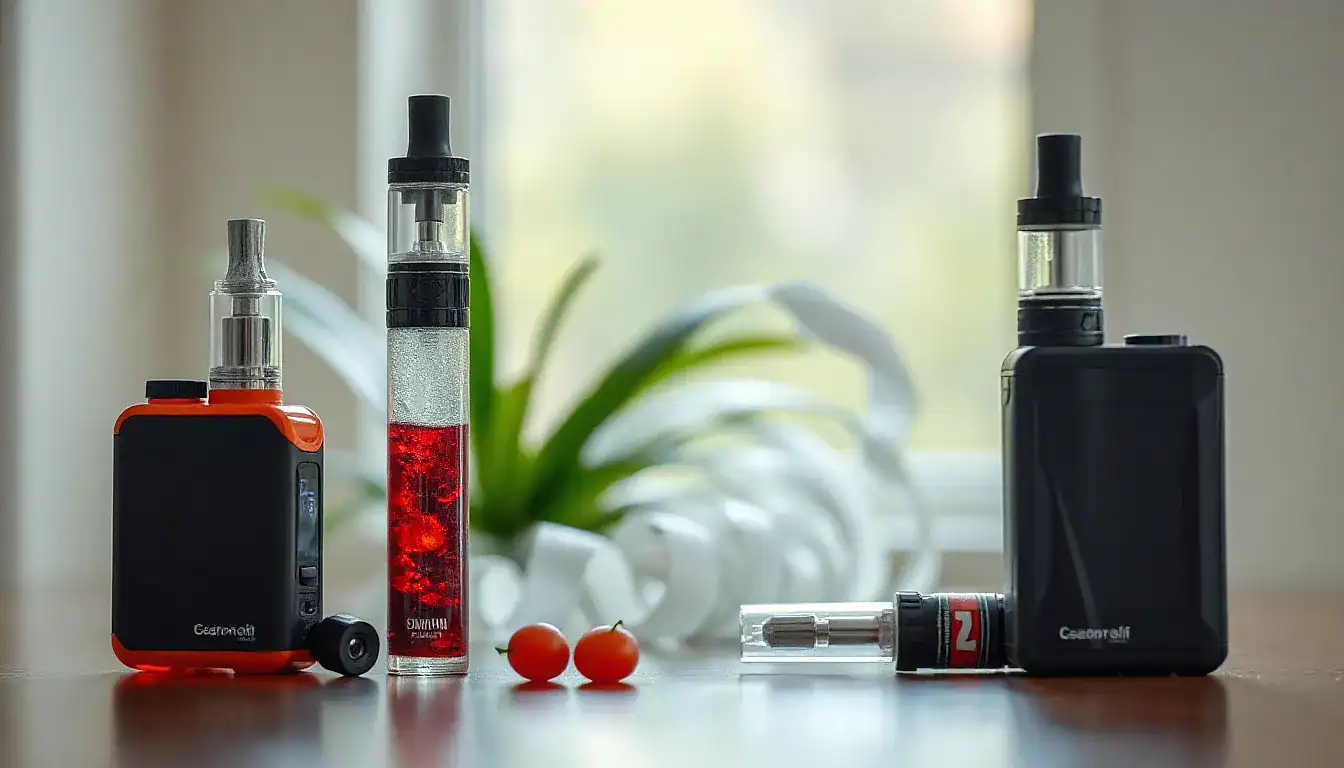
The FDA just did something it spent years resisting. After authorizing tobacco-flavored and menthol e-cigarettes for limited adult use, the agency approved the first fruit-flavored vape products — a decision that simultaneously excites the vaping industry, alarms public health advocates, and confuses pretty much everyone in between 1. If you’ve been watching this regulatory saga unfold, you know the FDA doesn’t make these calls lightly. But now that the FDA approves flavored vape products for the first time, the implications ripple well beyond one company’s product line.
This isn’t a small procedural update. It’s a precedent.
The approval targeted products from GLAS Vapor — specifically fruit-flavored ENDS (Electronic Nicotine Delivery Systems) — following a full PMTA review 3. The FDA’s authorization rests on a narrow but significant finding: that these products benefit adult smokers enough to outweigh the risks. That’s the legal standard. Whether it’s the right standard is a different conversation entirely — and one worth having.
What the FDA Actually Did
The FDA authorized GLAS Vapor’s fruit-flavored e-cigarette products through its formal PMTA pathway, making these the first fruit-flavored vapes to receive official U.S. market authorization 1. According to the FDA’s official press announcement, this decision falls under the agency’s mandate to evaluate whether a tobacco product is “appropriate for the protection of the public health” — a deliberately high bar that weighs population-level benefits against population-level risks 1.
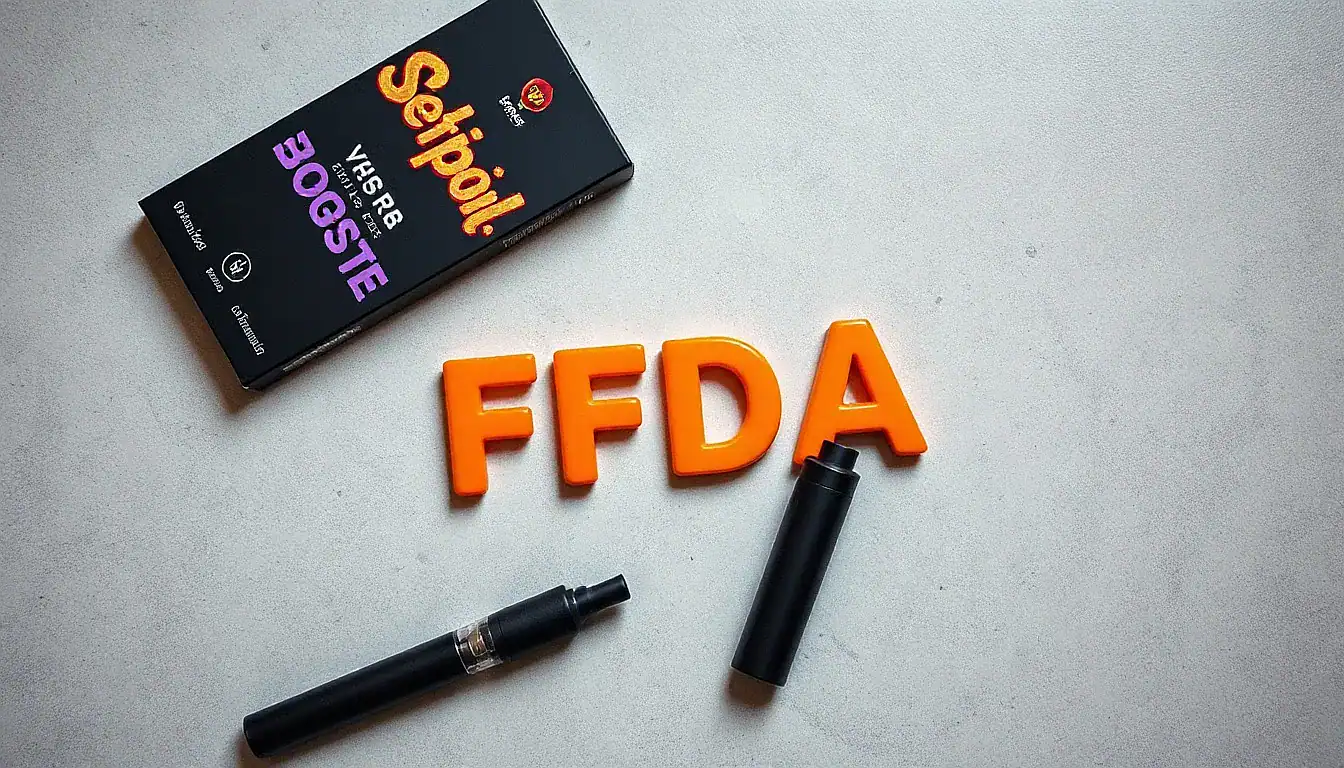
Honestly, the framing matters here. The FDA didn’t “approve” these products the way it approves pharmaceuticals. Authorization means the agency determined the benefits to adult smokers transitioning away from combustible cigarettes outweigh the risks — a cost-benefit calculation, not a safety endorsement. A meaningful distinction that most coverage glossed over.
The Regulatory Framework
The PMTA process is grueling by design. Manufacturers must submit scientific evidence demonstrating their product’s impact across the entire population — not just adult users, but also youth, non-smokers, and former smokers who might restart. The FDA reviews toxicology data, behavioral studies, marketing plans, and age-verification protocols before issuing any authorization 3. GLAS Vapor cleared all of it. That doesn’t happen by accident, and it doesn’t happen fast.
Which Products Got the Green Light
The authorized products include GLAS Vapor’s fruit-flavored disposable and cartridge-based e-cigarettes — specifically products the FDA determined present a lower risk profile than continued combustible cigarette use for adult smokers 4. The AP News analysis noted that these fruity vapes aren’t significantly better than tobacco-flavored ones for smoking cessation outcomes 2, which raises an obvious question: if the quit-smoking benefit is marginal, what exactly justified the approval?
For a full breakdown of state-level flavor bans and federal regulations, see our comprehensive vaping statistics page.
The U.S. Regulatory Landscape Shifts
The moment the FDA approves flavored vape products — even one brand, even one flavor category — the regulatory ground shifts for every manufacturer still waiting on PMTA decisions. Market access expands for GLAS Vapor immediately. But for competitors watching from the sidelines, this authorization signals something larger: the FDA’s evidentiary threshold for fruit-flavored ENDS, while steep, is now a documented pathway rather than a theoretical one 1.
That changes the calculus for every vape company currently in regulatory limbo.
Market Access Implications
FDA authorization grants GLAS Vapor the legal right to market and distribute these products across the U.S. — a privilege most flavored vape brands don’t currently hold. Companies operating without PMTA authorization face FDA enforcement action, including warning letters, injunctions, and product seizures 1. Authorization doesn’t just open a door; it’s the difference between legitimate commerce and regulatory exposure. Worth reading our FDA Regulation Update for context on how the agency’s enforcement posture has evolved over the years.
State-Level Complications
Federal authorization doesn’t preempt state law. California, Massachusetts, and several other states maintain their own flavored tobacco and vape restrictions that operate independently of whatever the FDA decides. A product authorized by the FDA can still be effectively banned at the point of sale in a significant portion of the U.S. market — a jurisdictional tangle that manufacturers need to map carefully before scaling distribution. For a broader view of where vaping restrictions apply, our guide to where vaping is illegal in 2023 covers the state-by-state picture in detail.
Why the FDA Made This Call
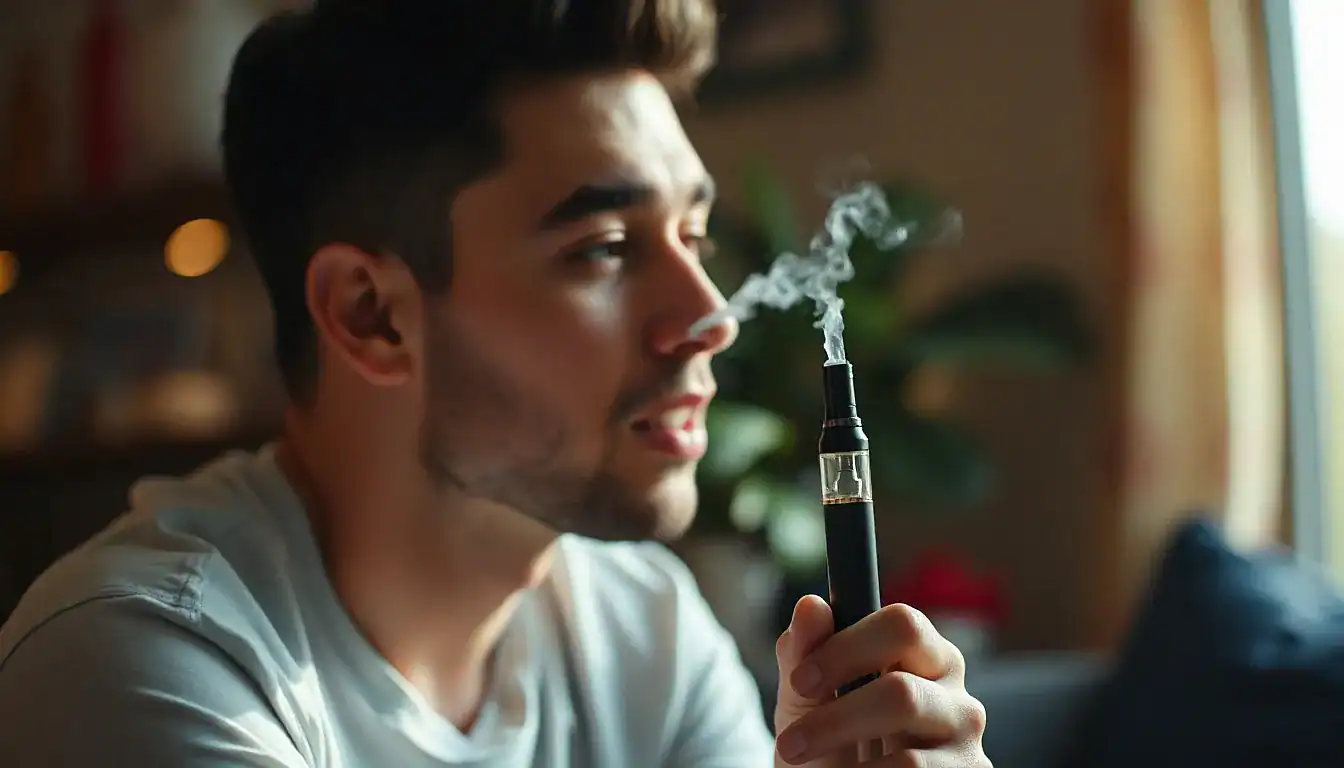
The FDA’s authorization rests on a specific evidentiary argument: adult smokers who switch completely from combustible cigarettes to e-cigarettes reduce their exposure to toxic chemicals significantly. That’s the public health logic driving this decision. Combustible cigarettes kill roughly 480,000 Americans annually — a number the FDA weighs heavily when evaluating any alternative nicotine delivery product 3.
But here’s where it gets complicated.
Public Health Considerations
An internal FDA memo, surfaced by The Independent, revealed that fruit-flavored e-cigarettes don’t demonstrate meaningfully superior smoking cessation outcomes compared to tobacco-flavored alternatives 5. The agency authorized them anyway — because the PMTA standard doesn’t require best-in-class cessation performance. It requires a net population benefit. Whether that’s the right threshold is a legitimate debate, and frankly, I think the FDA needs to revisit it. Approving products that don’t clearly outperform existing authorized alternatives sets a permissive precedent the agency may struggle to defend later.
If you’re genuinely trying to quit smoking rather than just switch delivery mechanisms, the evidence-based options — nicotine replacement therapy, varenicline, behavioral support — still outperform vaping on cessation metrics. Our breakdown of vaping to quit smoking and whether it actually works covers that distinction in detail.
Industry Pressure and Market Realities
The vaping industry spent years and millions of dollars building PMTA submissions. GLAS Vapor’s success didn’t happen in a vacuum — it happened because the company invested in rigorous behavioral and toxicological research the FDA demands 4. That’s not industry manipulation; that’s the system working as designed. But the cynical read is that only well-resourced companies can afford to play this game, which consolidates the legal market around larger players while smaller brands get swept out by enforcement action.
X Follow FDA Updates: How to Stay Informed
The FDA moves fast when it wants to — and goes completely silent for months otherwise. If you’re a manufacturer, retailer, or consumer tracking regulatory changes, you can’t rely on news cycles alone.
Official FDA Channels
The FDA’s primary announcement vehicle remains its official newsroom — the home news & events FDA newsroom at fda.gov — where press releases, market authorization notices, and enforcement updates post in real time 1. Following the FDA’s official X (formerly Twitter) account gives you immediate notification when new PMTA decisions drop. Don’t wait for journalists to translate the regulatory language. Go to the primary source, read the actual press release, and cross-reference it against the Center for Tobacco Products’ enforcement action database.
What to Expect Next
The FDA has signaled it will continue processing the backlog of PMTA applications from other manufacturers 1. Menthol-flavored ENDS products remain under separate, more politically fraught consideration. The agency’s broader enforcement posture — targeting unauthorized flavored products still flooding the market — won’t soften just because GLAS Vapor earned authorization. If anything, this approval gives the FDA clearer justification for aggressive action against companies that haven’t gone through the process. Our article on FDA restrictions on flavored e-cigs gives useful background on how that enforcement history unfolded.
FDA News Release Breakdown: What Changes Now
The official FDA news release framed this as the agency “expanding market access” — a deliberate choice of language 1. Not “approving,” not “endorsing.” Expanding access. That framing matters because it positions the FDA as a gatekeeper opening a specific gate, not a regulatory body reversing course on flavored vapes categorically.
Compliance Requirements for Manufacturers
Companies watching GLAS Vapor’s authorization shouldn’t assume a replicable template now exists. The FDA evaluates each PMTA individually. Marketing restrictions — no characterizing flavor references aimed at youth, strict age-verification requirements, no social media marketing that reaches under-21 audiences — apply immediately upon authorization 3. Violations trigger swift enforcement. The FDA has demonstrated repeatedly that it’s willing to pursue injunctions against non-compliant manufacturers, regardless of their authorization status.
Timeline for Implementation
GLAS Vapor’s authorization takes effect immediately upon the FDA’s announcement — no grace period, no phase-in 1. There’s no grandfather clause for similar products lacking authorization either. If you’re selling an unauthorized fruit-flavored vape product right now, this decision doesn’t protect you. It actually increases your regulatory exposure by demonstrating the FDA has a workable pathway that you haven’t used.
The FDA Expands Authority (Or Does It?)
Here’s the question nobody’s asking loudly enough: does this authorization represent the FDA asserting tighter control over the vape market, or does it represent the agency conceding ground to an industry it spent years trying to restrict?
Honestly? Both. Simultaneously.
Premarket Tobacco Applications (PMTAs)
The PMTA process is the FDA’s primary instrument of market control for tobacco products. Every time the FDA approves flavored vape products through PMTA review, it reinforces the process itself — which is ultimately what the agency wants 1. A fully PMTA-regulated market, where every product on shelves has cleared scientific review, is the FDA’s long-term objective. The problem is that unauthorized products continue to dominate retail and online channels, making PMTA authorization feel more symbolic than operative in practice. Our coverage of vaping and e-cigarette makers under FDA scrutiny tracks how this enforcement gap has evolved.
Precedent for Other Restricted Categories
The GLAS Vapor authorization creates documented evidentiary standards that other manufacturers can now study and attempt to meet 4. For cannabis vape products, the regulatory pathway remains entirely separate — but the FDA’s willingness to authorize non-tobacco-flavored ENDS signals a philosophical openness that adjacent categories will inevitably test. Our overview of the benefits of vaping cannabis covers where that category stands from a consumer perspective.
My Take: Is This Actually Good News?
Short answer: it depends entirely on who you are.
For adult smokers who genuinely prefer fruit-flavored alternatives to cigarettes and haven’t been able to make the switch using tobacco-flavored ENDS or NRT products — yes, this is good news. A legally authorized product with traceable manufacturing standards and documented toxicology is objectively preferable to whatever unauthorized alternatives they’d otherwise access 3.
For everyone else, the picture is murkier.
The Youth Angle (And Why It Matters)
The FDA’s own data acknowledges that flavored vapes disproportionately attract younger users 5. Fruit and candy flavor profiles — regardless of how they’re marketed — carry inherent appeal to adolescents who’ve never smoked a cigarette. The rise of children vapers and the FDA’s response has been one of the most contested regulatory battles of the past decade, and this authorization doesn’t resolve that tension. It deepens it. Stricter age-verification enforcement needs to accompany any flavor authorization — and historically, enforcement has lagged badly behind policy 5.
Winners and Losers
Winners: GLAS Vapor (obviously), adult smokers seeking authorized alternatives, and PMTA consultants whose services just became considerably more valuable. Losers include public health advocates who spent years pushing for flavor restrictions, smaller vape companies that can’t afford PMTA submissions, and — if the youth access problem isn’t addressed aggressively — teenagers who’ll find these products more accessible than anyone wants to admit 2.
The Bigger Picture
The moment the FDA approves flavored vape products through a rigorous scientific process, the conversation about vaping regulation changes permanently. We’re past categorical flavor bans as the primary policy tool. The FDA has signaled — clearly, through action rather than rhetoric — that it believes a regulated flavored vape market is preferable to an unregulated one 1.
Whether that bet pays off depends on enforcement. Always enforcement.
The PMTA pathway works on paper. The question is whether the FDA has the resources, political will, and institutional consistency to make it work in practice — on shelves, online, and in the hands of the people who actually buy these products 2. If you want to track where this regulatory trajectory leads, our look at where the vaping industry is heading gives useful context for what comes next. And if you’re an adult smoker still weighing your options, our ex-smoker’s guide to switching to vaping cuts through the noise on what actually works.
This isn’t the end of the flavored vape debate. Not even close. But for the first time, the FDA has drawn a line — and that line matters, even if it’ll take years to understand exactly what it means.
Sources & References
-
U.S. Food & Drug Administration. FDA Expands Market Access, Authorizes New ENDS Products. fda.gov
-
AP News. FDA’s e-cigarette authorization: Fruity vapes not significantly better than tobacco ones. apnews.com
-
Pulmonology Advisor. FDA Authorizes Fruit-Flavored Vapes for Adults. pulmonologyadvisor.com
-
EMJ Reviews. FDA authorises first fruit-flavoured vapes. emjreviews.com
-
The Independent. FDA memo reveals fruit-flavored e-cigarettes aren’t better for quitting smoking. independent.co.uk
-
CBS Mornings via Facebook. FDA clears first fruit-flavored vape products for adult smokers. facebook.com