

E-Cigarettes and Vape Cigarettes
Key Takeaways
- Vape cigarettes and e-cigarettes are nicotine delivery systems that vaporize liquid instead of burning tobacco, and the terms are largely interchangeable in everyday use despite technical distinctions.
- Five-plus years of research shows vaping carries lower respiratory and cardiovascular risk than smoking, but “lower risk” isn’t the same as “no risk” — long-term data is still catching up.
- Switching from cigarettes to vaping can cut nicotine intake and save money, but nicotine replacement therapy remains the FDA-backed method with the longest safety track record 6.
- Secondhand vapor contains measurable nicotine and formaldehyde, at lower concentrations than secondhand smoke, though bystander health effects are still being studied.
- If you’re trying to quit smoking, free tools like the Smokefree app and personalized quit plans have stronger long-term success data than switching to vape cigarettes alone 135.
Roughly 11 million American adults still smoke cigarettes, and most of them have tried to quit at least once. Some turn to patches. Some go cold turkey. Millions now reach for a vape cigarette instead, part of a product category that barely existed twenty years ago and now sits behind the counter at nearly every gas station in the country.
Are they safer than a pack of Marlboros? Almost certainly. Are they safe? That’s a different question, and one this article won’t dodge.
The real research on long-term outcomes, the actual cost of switching, and what happens to the people standing next to you while you vape tell a more complicated story than the marketing suggests. Let’s get into what’s actually true, what’s still unknown, and what you should do if quitting nicotine altogether — not just quitting cigarettes — is the real goal.
What Are Vape Cigarettes and E-Cigarettes?
How Do Vape Cigarettes Work?
Health Effects: What the Research Shows
Vaping and Smoking Cessation
What Are Vape Cigarettes and E-Cigarettes?
Vape cigarettes and e-cigarettes are nicotine delivery systems that use a battery-powered heating element to vaporize liquid rather than burning tobacco, though the two terms often describe overlapping products in everyday conversation.
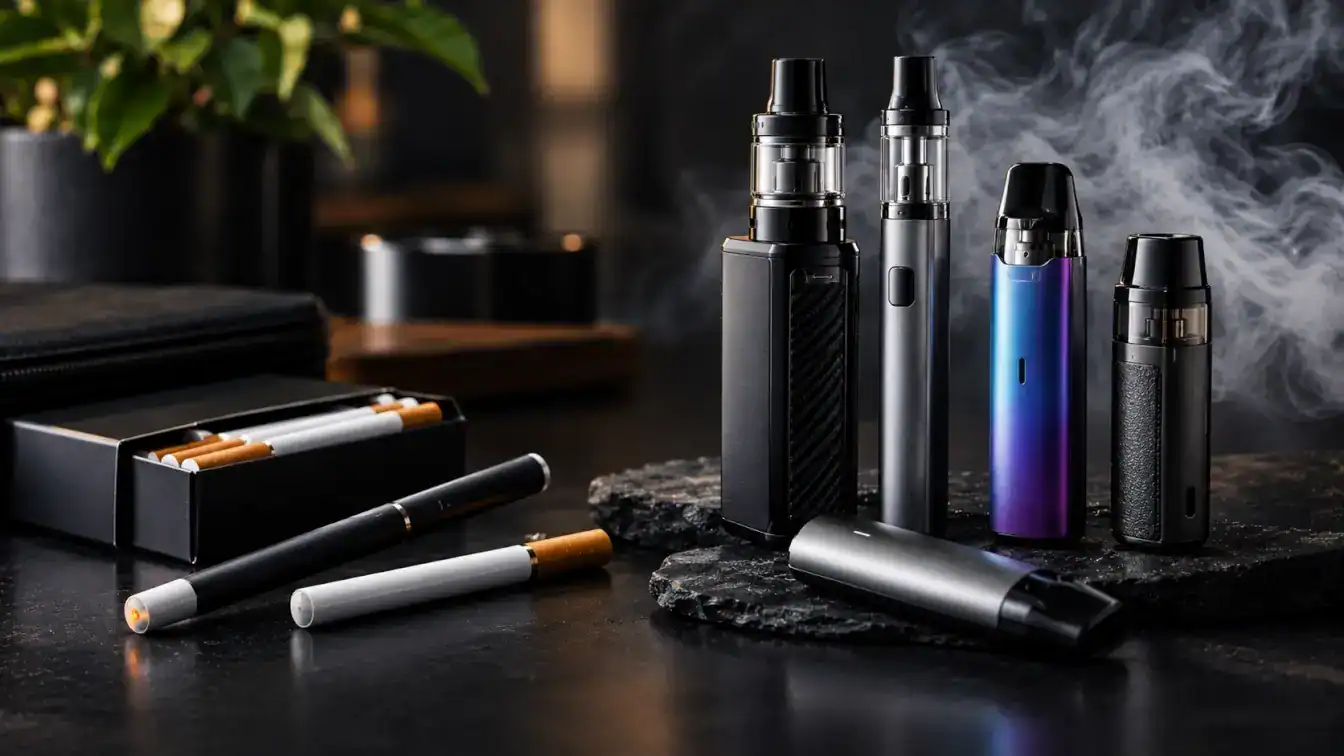
Here’s where people get tripped up: technically, “e-cigarette” is the broad umbrella term. It covers any device that delivers nicotine through heated vapor instead of smoke. “Vape cigarette” usually refers to something designed to mimic the shape, feel, or ritual of smoking an actual cigarette. Retailers, though, tend to use both terms for the same products 7. Don’t get hung up on the naming; focus on the device type, since that’s what actually determines your experience.
E-Cigarette Device Types
The market breaks into four main categories, plus a fifth that’s exploded in popularity over the last few years.
Cig-a-likes. The smallest, most cigarette-shaped devices out there. White cylinder, orange tip that glows when you inhale, built to look like the real thing. Battery life is short, usually just a few hours, and vapor output is minimal. These appeal to first-timers or people who want something discreet, and they’re the cheapest entry point, running $20–$40 for a starter kit.
Vape Pens. A step up in size, shaped like a thick pen or small tube. Battery life stretches to half a day or more, and vapor production is noticeably more consistent. Refillable tanks mean you can swap flavors without buying a whole new device. Expect to pay $25–$50 for a decent one.
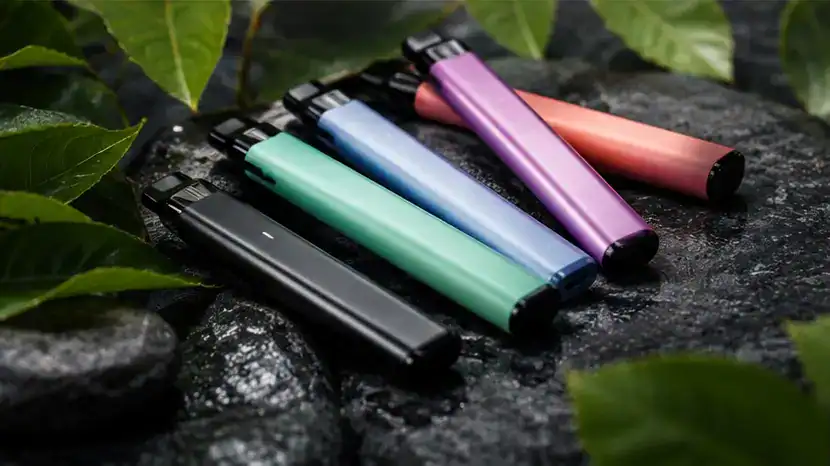
Pod Systems. Compact devices using pre-filled or refillable pods that click into place. Juul popularized this category, and now dozens of brands compete for the same shelf space. Pricing runs $15–$50 for the device, then $3–$5 per pod.
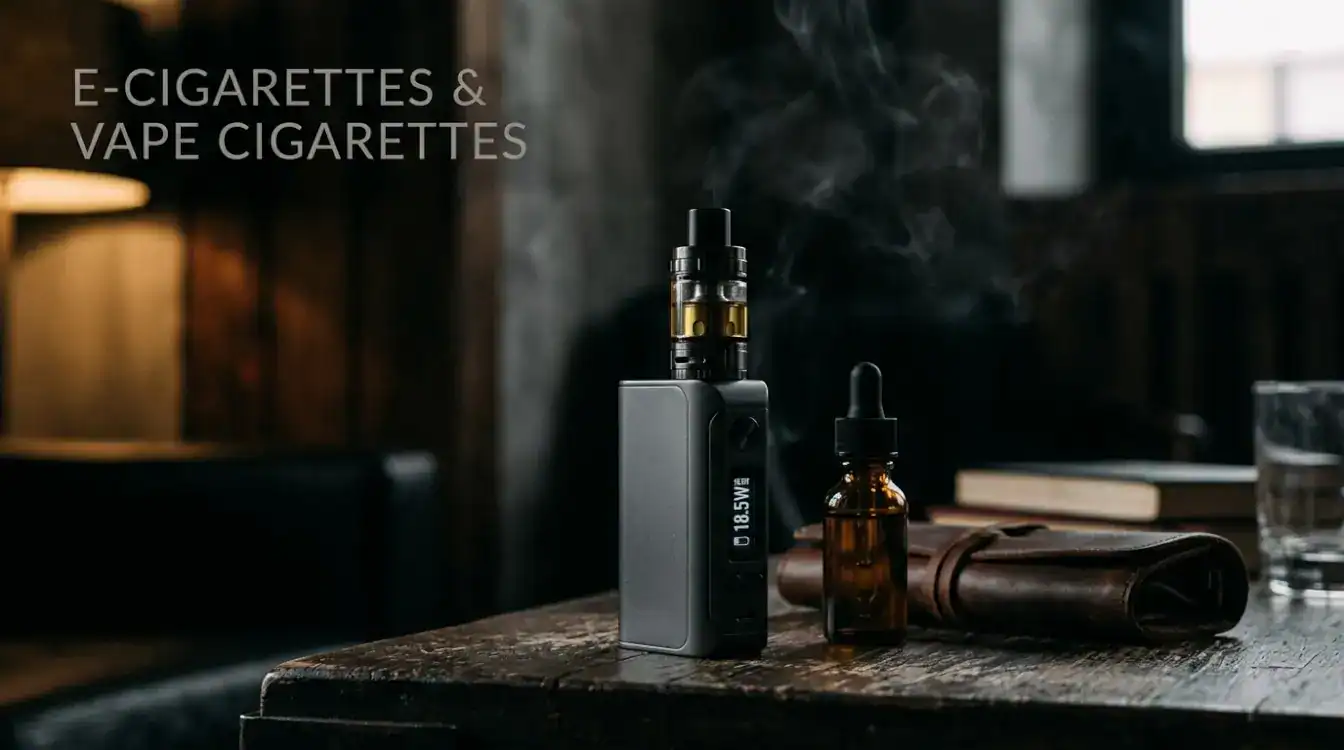
Box Mods and Advanced Tanks. Bigger and more customizable, built for people who treat vaping as a hobby rather than a habit, with variable wattage, temperature control, and all-day battery life. These cost more upfront ($40–$150) but last years if you take care of them.
Disposables. Single-use and pre-filled, with no charging or refilling required. Use it until the battery dies or the juice runs dry, then throw it away. Priced at $5–$15 each, disposables have become the fastest-growing segment of the market, and the category regulators worry about most for youth access.
| Device Type | Price Range | Battery Life | Best For |
|---|---|---|---|
| Cig-a-like | $20–$40 | A few hours | First-time users |
| Vape Pen | $25–$50 | Half a day+ | Flavor customization |
| Pod System | $15–$50 + pods | Half a day | Convenience, portability |
| Box Mod | $40–$150 | All day+ | Experienced vapers |
| Disposable | $5–$15 | Single use | Occasional or new users |
✓ Pros
- Wide range of price points and form factors to match different needs
- Refillable systems cost less over time than disposables
- No combustion means no tar and far fewer combustion byproducts
✗ Cons
- Disposables generate significant electronic and plastic waste
- Pod systems can deliver nicotine fast enough to create dependency quickly
- Device quality varies wildly between brands
What’s Inside: The Hardware
Every vape device, regardless of size or price, has five core components working together.
Battery. Usually lithium-ion, rechargeable via USB in most models. Capacity ranges from around 350 mAh in tiny cig-a-likes up to 3000+ mAh in box mods. A bigger battery simply means a longer stretch between charges.
Atomizer (heating coil). A thin wire wrapped in wicking material. Electrical current heats it to somewhere between 200°F and 400°F, vaporizing whatever e-liquid has soaked into it. Coils wear out fast; most need replacing every one to three weeks once flavor starts tasting burnt or muted.
Tank or Cartridge. This holds the e-liquid. Refillable tanks range from 2 mL to 8 mL. Sealed cartridges and pods get thrown out once they’re empty, with no topping off.
E-liquid. The mixture of propylene glycol, vegetable glycerin, nicotine, and flavoring that actually gets vaporized. The ratio of these ingredients changes everything about the experience, which the next section breaks down.
Mouthpiece. The part your lips touch. Replaceable on most refillable devices, fixed on disposables and pods.
How Do Vape Cigarettes Work?
Vape cigarettes heat e-liquid to somewhere between 200°F and 400°F, turning it into an inhalable aerosol, commonly called “vapor,” though technically it’s a suspension of liquid particles and gases rather than water vapor in the literal sense.

The mechanism is simple, but the details matter once you start asking questions about health effects, cost, or why one device hits harder than another.
The Vaping Process, Step by Step
You press a button, or in newer auto-draw devices, just inhale. That triggers the battery to send current to the coil. The coil heats rapidly, within a couple of seconds, and e-liquid that’s soaked into the wicking material vaporizes on contact. You inhale the aerosol; most of it condenses in your lungs and mouth, and some comes back out when you exhale, which is the “vapor” you see people blowing out in clouds.
One draw takes two to three seconds start to finish. Do that 50 to 150 times a day, a completely normal range for regular users, and you’ll burn through a standard 2 mL tank in three to seven days. That adds up fast, and most new vapers underestimate how quickly the costs and the habit itself compound.
E-Liquid Composition and Nicotine Delivery
Standard e-liquid boils down to four ingredients, and the ratio of the first two determines almost everything about how a vape feels.
Propylene Glycol (PG). Thin, essentially odorless, and responsible for carrying flavor along with the “throat hit,” that sharp catch at the back of your throat that mimics the sensation of smoking. Higher PG means a stronger throat hit, crisper flavor, and thinner vapor clouds. You’ll see this listed on bottles as something like “70VG/30PG.”
Vegetable Glycerin (VG). Thicker and slightly sweet. High-VG liquids produce the big, dense clouds cloud-chasers show off online, but the flavor gets muted and the throat hit softens. Most commercial e-liquids sit somewhere between 50% and 80% VG.
Nicotine. Concentrations in standard e-liquid usually range from 0 to 50 mg/mL. Nicotine salt formulations, which pod systems rely on heavily, allow higher concentrations to be inhaled more smoothly than freebase nicotine would allow at the same strength.
Flavorings. Food-grade compounds numbering in the hundreds: fruit, dessert, menthol, tobacco, coffee, you name it. Diacetyl, a flavoring compound linked to a lung condition nicknamed “popcorn lung,” was pulled from most commercial e-liquid formulations years ago as a precaution, even though there’s no confirmed case of it causing that condition in an actual vaper.
Nicotine delivery from vaping isn’t a clean one-to-one swap for cigarette nicotine. A single cigarette delivers roughly 1–3 mg of absorbed nicotine per smoke. A vape hit might deliver anywhere from 0.5 mg to 2 mg, depending on nicotine concentration, coil temperature, and how deep and long you inhale, and that variability is why coil resistance and airflow settings can quietly change how much nicotine a regular user ends up taking in over a day.
Health Effects: What the Research Shows
Long-term studies tracking vapers for five or more years show meaningfully lower rates of certain respiratory and cardiovascular harms compared to cigarette smokers, but vaping is not risk-free, and researchers are still filling in gaps around chronic, decade-plus exposure.

This is the section where I’ll push back on both extremes you see online. The “vaping is just as bad as smoking” crowd is wrong; the data doesn’t support that. The “vaping is basically harmless” crowd is also wrong, and arguably more dangerous, because that message is what’s driving a lot of teenagers to pick up a habit they didn’t need in the first place.
What Longer-Term Data Actually Shows
Combustion is the primary driver of smoking-related disease. When tobacco burns, it produces tar and thousands of combustion byproducts, including dozens of known carcinogens. Vaping skips combustion entirely, using heat rather than fire, which is the central reason it’s considered a lower-risk alternative by public health researchers and regulatory bodies including the FDA 6.
That said, lower risk doesn’t mean risk-free, and the five-year-plus data reveals some specific, measurable effects:
Respiratory function. Long-term vapers show less decline in lung function compared to smokers, but some studies detect measurable airway inflammation and changes in respiratory symptom reporting (increased coughing, throat irritation) compared to people who never used nicotine products at all. The inflammation isn’t nothing; it’s just substantially less than what combustion causes.
Cardiovascular markers. Nicotine itself, regardless of delivery method, raises heart rate and blood pressure temporarily with each use. Some longer-term studies tracking vapers show changes in arterial stiffness and endothelial function (the lining of blood vessels), though the magnitude tends to be smaller than what’s seen in longtime smokers.
Cellular and DNA-level effects. This is the newest and least settled area of research. Some laboratory and cell-culture studies have found that vapor exposure can trigger oxidative stress and inflammatory markers in lung cells, similar in kind, if smaller in magnitude, to what combustion smoke triggers. Translating cell-culture findings to real-world, whole-body, decade-long outcomes in humans is where the science still has real gaps, and anyone who tells you this question is fully settled, in either direction, is overselling the data.
✓ Pros
- No tar, no combustion byproducts, and lower exposure to many known carcinogens compared to cigarettes
- Documented improvement in some respiratory measures when smokers switch completely
- Lower measured levels of several toxicants compared to cigarette smoke
✗ Cons
- Nicotine’s cardiovascular effects persist regardless of delivery method
- Airway inflammation and irritation are still documented in long-term vapers
- Decade-plus outcome data doesn’t exist yet — the products haven’t been around that long
What’s the difference between a vape and an e-cigarette?
There isn’t a strict technical difference; both terms describe battery-powered devices that heat liquid into an inhalable aerosol instead of burning tobacco. “E-cigarette” is the more formal, regulatory term used by agencies like the FDA, while “vape” is the common name used by consumers and retailers 67.
Vaping and Smoking Cessation
Vaping can help some smokers quit, but it’s not an FDA-approved cessation method, and free tools like personalized quit plans and behavioral coaching have a longer track record of documented success 1346.
This is probably the most consequential misconception out there. A lot of smokers pick up a vape assuming it’s basically a nicotine patch with better flavor options, and it’s not quite that simple.
Can Vaping Actually Help You Quit Smoking?
Some smokers do successfully use vaping as a bridge away from cigarettes, gradually stepping down nicotine concentration until they stop altogether. Here’s the catch, though: vaping isn’t classified by the FDA as an approved smoking cessation aid the way nicotine patches, gum, and lozenges are 6. Those products went through the FDA’s rigorous approval process specifically for quitting smoking. Vape devices did not; they’re regulated as tobacco products, not medical cessation tools.
That distinction matters more than most people realize. It means the dosing, quality control, and long-term quit-success data behind something like nicotine gum simply doesn’t exist in the same form for vape cigarettes. Some people use vaping as their off-ramp and it works great for them. Others swap one dependency for another and end up vaping indefinitely, which isn’t really quitting in any meaningful sense; it’s substitution.
If your actual goal is to be completely nicotine-free, not just cigarette-free, a structured quit plan gives you a much clearer path. Smokefree.gov lets you build a personalized plan based on your smoking patterns, triggers, and timeline 3, and pairs it with practical tools and tips for handling cravings, stress, and social situations where you’d normally light up 2. There’s also a free app, QuitSTART, that tracks your progress and adapts its suggestions as you go 5.
Comparing Quit Methods
| Method | FDA-Approved for Cessation | Typical Monthly Cost | Notes |
|---|---|---|---|
| Nicotine Patch/Gum/Lozenge | Yes | $30–$80 | Backed by decades of clinical data 6 |
| Prescription Medication | Yes | Varies by insurance | Requires a doctor’s involvement |
| Vaping (as a self-directed quit method) | No | $30–$100+ | Popular but unregulated for this specific use |
| Behavioral Support + Quit Plan | N/A (not a product) | Free | Available through Smokefree.gov 13 |
Plenty of people swear by vaping as a quit method, and anecdotally it’s gotten friends of mine off a pack-a-day habit. But if you’re serious about quitting nicotine entirely rather than just changing delivery methods, pairing any approach with a real plan and free support tools stacks the odds in your favor, at no cost to you 4.
Secondhand Vapor Exposure and Risk
Secondhand vapor contains measurable nicotine, ultrafine particles, and low levels of chemicals like formaldehyde, but at concentrations that are generally lower than secondhand cigarette smoke, and the long-term bystander health impact hasn’t been fully established.

If you vape around other people, you’re not exposing them to nothing. That’s worth saying plainly, because a lot of vapers assume “no smoke” means “no exposure.” It doesn’t work that way.
What’s Actually in Exhaled Vapor
When someone exhales after a puff, they’re releasing a mix of leftover PG and VG particles, residual nicotine, trace metals from the heating coil, and small amounts of aldehydes (including formaldehyde and acetaldehyde) that form when e-liquid gets heated. The exact mix depends heavily on the device’s temperature settings, the e-liquid’s ingredients, and how hard the person is inhaling.
Compare that to secondhand cigarette smoke, which contains thousands of chemical compounds from actual combustion, including tar and significantly higher concentrations of carcinogens. Vapor’s chemical profile is narrower and, in most measured cases, lower in concentration. But bystanders, especially people with asthma, kids, or anyone with existing respiratory sensitivity, can still notice irritation from being around heavy vaping.
Why the Health Impact Question Isn’t Fully Settled
Secondhand cigarette smoke has decades of population-level data behind it, tracking real health outcomes in spouses, children, and coworkers of smokers. Secondhand vapor doesn’t have that same depth of long-term exposure data yet, simply because these products haven’t been mainstream for anywhere near as long. Researchers can measure what’s in the air; what they can’t yet fully answer is what happens to a bystander’s respiratory or cardiovascular health after ten or twenty years of regular secondhand exposure, because that timeline hasn’t happened yet.
Vaping indoors around other people on a regular basis means making a judgment call with incomplete information. That might be a reasonable trade-off for personal choices about your own body, but it’s a different calculation when someone else’s kid is in the room.
✓ Pros
- No tar or combustion byproducts released into shared air
- Generally lower measured concentrations of carcinogens compared to secondhand cigarette smoke
- Vapor dissipates faster than smoke in most indoor settings
✗ Cons
- Bystanders still inhale nicotine and fine particulates
- Formaldehyde and other aldehydes are present in exhaled vapor
- Long-term bystander outcome data doesn’t exist yet
Vaping and Pregnancy
Nicotine exposure during pregnancy — whether from cigarettes, vape cigarettes, or any other delivery method — is not considered safe, and there is no level of nicotine exposure during pregnancy that current guidance treats as risk-free.
This one deserves directness, not hedging.
What the Guidance Actually Says
The FDA classifies nicotine as harmful to fetal development regardless of how it’s delivered, and e-cigarettes are regulated as tobacco products precisely because they contain nicotine, not because of any separate pregnancy-specific loophole 6. Nicotine crosses the placenta and acts as a vasoconstrictor, meaning it narrows blood vessels, which can restrict blood flow and oxygen delivery to a developing fetus regardless of whether it came from a burning cigarette or a heated vape cartridge.
Some pregnant smokers assume switching to vaping mid-pregnancy is a meaningfully safer move than continuing to smoke, and from a combustion-byproduct standpoint, there’s some logic there; vaping does eliminate tar and many combustion carcinogens. But it doesn’t eliminate the nicotine exposure, which is the piece most directly linked to concerns around fetal growth and developmental outcomes. Swapping cigarettes for vape cigarettes during pregnancy isn’t the harm-reduction win it might look like on the surface, because the ingredient doing a lot of the fetal harm is still very much present.
If you’re pregnant and currently smoking or vaping, the clearest, most supported path is quitting nicotine entirely, not switching delivery methods. Smokefree.gov’s quit planning tools are built to accommodate exactly this kind of situation, and talking to your OB-GYN about cessation support should happen before you try to manage it solo 13.
Cost Analysis: Vaping vs. Smoking vs. NRT
Vaping typically costs $1,500 to $4,000 a year depending on device type and usage, compared to $2,500 to $4,500 a year for a pack-a-day cigarette habit at current average U.S. prices, while nicotine replacement therapy runs anywhere from free (through some public health programs) to roughly $900 a year for consistent gum or patch use.
Breaking Down the Real Numbers
A pack-a-day smoker buying cigarettes at a national average of roughly $7–$9 a pack is looking at $2,500–$3,300 a year just on the cigarettes themselves, before factoring in higher health insurance premiums that smokers often pay. In expensive states or cities, that number climbs well past $4,000.
Vaping costs break down differently depending on your setup:
Pod system users spend roughly $15–$50 on the device (a one-time or occasional cost) plus $3–$5 per pod. Heavy users going through a pod every day or two land around $1,200–$1,800 a year.
Disposable vape users pay the least upfront but often the most over time, since there’s no reusable hardware. Buying a $10–$15 disposable every few days can add up to $1,800–$3,000+ a year depending on usage intensity. If you’re leaning disposable,it’s worth comparing Cheapest Vape Prices before assuming you’re actually saving money.
Refillable tank and box mod users pay more upfront ($40–$150 for hardware) but save significantly on e-liquid, since bottles of juice cost $10–$20 for 30–60 mL that can last several weeks. Annual costs for this group often land closer to $600–$1,200. Anyone doing the math seriously should check The Cheapest Vape Mods before buying hardware at full retail price.
Nicotine replacement therapy — patches, gum, lozenges — runs $30–$80 a month if you’re paying out of pocket, though many insurance plans and public health programs cover some or all of it, sometimes bringing the real cost close to zero 6.
| Option | Estimated Annual Cost | Ongoing Commitment |
|---|---|---|
| Pack-a-day cigarettes | $2,500–$4,500 | High — daily purchases |
| Disposable vapes | $1,800–$3,000+ | Moderate to high |
| Pod systems | $1,200–$1,800 | Moderate |
| Refillable tanks/mods | $600–$1,200 | Low after initial purchase |
| Nicotine replacement therapy | $0–$900 | Often insurance-covered |
The obvious winner on pure cost is NRT, especially if insurance picks up the tab, since it’s the only option on this list that can realistically cost nothing. A refillable mod setup is the better long-term buy within vaping itself, and it’s worth browsing a few Best Box Mods 2026 picks before committing to a device you’ll be buying pods or juice for every week.
Youth Vaping: Why Regulation Falls Short
Youth e-cigarette use has declined from its peak but persists despite flavor restrictions and federal marketing rules, largely because enforcement gaps, flavored disposable imports, and social access through peers remain easier to navigate than the regulations intended to close them.
This is the part of the vaping conversation that frustrates public health officials the most, and honestly, it should frustrate everyone else too.
Why Flavor Bans Haven’t Solved the Problem
The FDA restricted flavored cartridge-based e-cigarettes (the Juul-style pod format) specifically because flavors like mango and mint were overwhelmingly popular with teenagers, not adult smokers trying to quit 6. On paper, that should’ve meaningfully curbed youth appeal. In practice, the disposable vape category exploded right around the same time, often manufactured overseas, sold in flavors the cartridge ban never technically covered, and imported in volumes regulators have struggled to keep up with.
Kids didn’t stop wanting flavored vapes. The market just shifted format to route around the specific rule that got written.
The Real Barriers (and Why They’re Incomplete)
Age-verification gaps. Online retailers are required to verify age, but enforcement varies, and plenty of underage users get products through older peers, informal social networks, or retailers who simply don’t check IDs carefully.
Marketing that still resonates. Even with restrictions on youth-targeted marketing, bright packaging, social media visibility, and flavor names clearly aimed at younger tastes haven’t disappeared; they’ve just adapted.
Perception of reduced risk. Many teens simply don’t perceive vaping as risky the way they perceive smoking, so the deterrent effect that decades of anti-smoking messaging built up doesn’t transfer automatically to vape cigarettes.
Import and enforcement lag. Disposable devices, often produced overseas, reach the U.S. market faster than regulatory bodies can classify and restrict them, creating a persistent game of catch-up.
None of this means regulation has failed outright; youth vaping rates are meaningfully below their peak. But treating flavor bans and marketing restrictions as a finished solution ignores how quickly this market adapts around specific rules. The barrier that works best remains blunt and simple: retailers refusing sales to anyone who can’t prove they’re of legal age, enforced consistently, everywhere, every time.
✓ Pros
- Flavor restrictions on cartridge-based systems reduced one major access point
- Youth vaping rates have declined from earlier peak years
- Federal marketing restrictions limit some youth-targeted advertising
✗ Cons
- Disposable devices largely sidestepped the cartridge flavor ban
- Age verification enforcement is inconsistent across retailers
- Risk perception among teens remains lower than for cigarettes
FDA Regulation and Legal Status
The FDA regulates e-cigarettes and vape cigarettes as tobacco products under its authority established by the Tobacco Control Act, requiring manufacturers to submit products for premarket authorization before they can be legally sold in the United States 6.
How the Approval Process Works
Any e-cigarette product sold in the U.S. legally needs FDA marketing authorization, which requires manufacturers to demonstrate that the product is “appropriate for the protection of public health,” a standard that weighs the product’s potential to help adult smokers against its potential appeal to youth and non-smokers 6. The FDA has authorized only a limited number of specific products and flavors through this process. The vast majority of flavored disposable vapes currently sold in gas stations and vape shops across the country have not gone through full authorization, which is part of why the FDA has taken enforcement action against numerous unauthorized products in recent years.
That’s a genuinely important detail most casual vapers don’t know. A product being sold on a store shelf doesn’t necessarily mean it’s been through the FDA’s authorization process; it may simply mean enforcement hasn’t caught up to it yet.
What This Means for Consumers
Practically speaking, here’s what U.S. shoppers should know: nicotine concentration limits, packaging warning requirements, and age-verification rules (21+ nationally) all stem from this same regulatory framework 6. If you’re buying from a Vape shop guide or a well-established retailer, you’re more likely to be getting products that at least attempt compliance with these standards, compared to buying from unregulated online sellers of unknown origin.
The bigger picture is that the FDA’s regulatory approach treats e-cigarettes as a product needing active oversight, not a wellness device or a rubber-stamped quit-smoking tool. That framing is accurate, and it’s worth keeping in mind every time a product is marketed otherwise.
Choosing the Right Device for Your Needs
The right vape device depends entirely on why you’re vaping. Quitting cigarettes, casual use, and flavor-focused hobby vaping each point toward different hardware, and picking the wrong category is a common reason people give up on vaping in frustration within the first month.
Let’s make this practical.
If You’re Switching From Cigarettes
Go with a pod system or a simple vape pen using nicotine salt e-liquid at a moderate strength (20–35 mg/mL is common for this purpose). You want something that delivers nicotine quickly and satisfyingly, mimicking the fast hit of a cigarette, without a steep learning curve around wattage or coil-building.
If You Want Something Closer to a Traditional Cigarette Feel
Cig-a-likes and slim vape pens replicate the size, weight, and hand-to-mouth ritual of smoking. If you’ve tried a bulky box mod and felt like you were holding a brick, this category solves that specific complaint. Comparisons like the SMOK Vape Pen V2 review are worth a look if you want a well-reviewed, cigarette-adjacent option without gambling on an unknown brand.
If You’re an Experienced Vaper Who Wants More Control
Box mods and advanced tanks give you variable wattage, temperature control, and bigger tanks that mean fewer refills. This category rewards people willing to learn coil resistance, wattage sweet spots, and airflow adjustment, and once you get the hang of it, going back to a basic pod system feels like a step down. Browsing Best Beginner Vape Kits 2026 first is smart if you’re not sure you’re ready for this level yet, since beginner-specific picks are chosen for an easier transition.
If Convenience Matters More Than Cost
Disposables win here, full stop. No charging, no refilling, no coil maintenance; just use it and toss it. The tradeoff is cost per puff and environmental waste, which is worth being honest with yourself about before defaulting to this category out of pure habit.
| Your Priority | Recommended Device Type |
|---|---|
| Quitting cigarettes for good | Pod system or vape pen with nicotine salts |
| Cigarette-like feel and ritual | Cig-a-like or slim vape pen |
| Flavor and cloud control | Box mod with adjustable wattage |
| Maximum convenience | Disposable vape |
| Lowest long-term cost | Refillable tank system |
Most people overbuy on their first device. They see a flashy box mod online, assume more features means a better quit-smoking tool, and end up frustrated by the complexity within a week. Start simple, and upgrade once you know what you actually want out of the device — checking Best Vape Tanks side by side against a few box mod options is a reasonable way to figure that out before spending more.
Conclusion
The truth about vape cigarettes sits in an uncomfortable middle: meaningfully less harmful than combustible cigarettes for existing smokers, but not risk-free, not FDA-approved as a quit method, and not something that should be handed to a bystander’s lungs or a developing fetus without a second thought.
For a lot of people, vaping genuinely has worked as a stepping stone away from cigarettes. But if your actual goal is freedom from nicotine, not just a different delivery method for it, pairing any switch with a real, structured quit plan gives you far better odds than white-knuckling it with a pod system and hoping the habit fades on its own 34.
If you do decide vaping is your path, at least be deliberate about it. Pick a device that matches your actual use case instead of whatever’s behind the gas station counter, and understand what you’re inhaling and what the people around you are inhaling too. The technology isn’t going anywhere, and the research on it will only get more precise from here. Until then, treat the current evidence for exactly what it is: better than smoking, not the same as quitting.
Frequently Asked Questions
Are vape cigarettes harmful?
Yes, vape cigarettes carry documented health risks, including nicotine’s cardiovascular effects and measurable airway inflammation, even though they avoid the tar and combustion byproducts that make traditional cigarettes so dangerous.
What is the safest e-cigarette?
There’s no single “safest” e-cigarette, since safety depends more on usage patterns, nicotine concentration, and product quality than on any one specific brand or model. Choosing a device from a reputable manufacturer, using it with FDA-authorized e-liquid where possible, and avoiding unregulated or unauthorized imported products are the most practical steps toward minimizing avoidable risk 6.
What is a vape cigarette called?
“Vape cigarette” and “e-cigarette” are the most common terms, though people also use “vape pen,” “vape,” or brand-specific names like “pod system” depending on the device type. All of these terms describe the same basic category: battery-powered devices that heat liquid into an inhalable aerosol instead of burning tobacco.
Is it better to smoke or vape?
Vaping is generally considered the lower-risk option between the two, primarily because it eliminates combustion and the tar and carcinogens that come with burning tobacco. That said, neither option is risk-free, and quitting nicotine entirely through FDA-approved methods like patches, gum, or prescription support carries the lowest health risk of the three paths 6.
How long does a vape pod or disposable vape last?
A standard vape pod typically lasts one to three days with regular use, while disposable vapes range from a few hundred to several thousand puffs depending on battery size and e-liquid volume, often lasting anywhere from two days to two weeks. Actual lifespan depends heavily on how often you puff and how long each draw lasts, so heavy users burn through devices noticeably faster than occasional ones.
How much nicotine is in a vape compared to a cigarette?
A single cigarette delivers roughly 1–3 mg of absorbed nicotine, while a single vape puff typically delivers somewhere between 0.5 mg and 2 mg, depending on the e-liquid’s nicotine concentration and the device’s heat output. Total daily intake comes down to habit as much as hardware: someone puffing every few minutes throughout the day can end up absorbing more nicotine overall than they did as a smoker, even though any single puff delivers less than a cigarette would.
Sources
- smokefree.gov Home. https://smokefree.gov
- smokefree.gov Tools & Tips. https://smokefree.gov/tools-tips
- smokefree.gov Create My Quit Plan. https://smokefree.gov/build-your-quit-plan
- smokefree.gov Quit Methods. https://smokefree.gov/tools-tips/quit-methods
- smokefree.gov Smokefree App. https://smokefree.gov/tools-tips/quitstart
- fda.gov Tobacco Products. https://www.fda.gov/tobacco-products
- myvaporstore.com Featured Brands. https://www.myvaporstore.com/


