

How to Choose the Best CBD Vape: A Complete Buyer’s Guide
Key Takeaways
- CBD vaping delivers effects in as little as 5-15 minutes, far faster than gummies or tinctures, which can take 30-90 minutes to kick in.
- A 50/50 or 60/40 PG/VG ratio works best for CBD e-liquid — nicotine-style high-VG juice tends to clog CBD-rated coils faster.
- Never vape oral CBD oil (the kind meant for tinctures). It’s often too thick for a coil and wasn’t formulated for inhalation.
- Always check for a third-party Certificate of Analysis (COA) before buying; skip any product that doesn’t post one.
The single most useful move you can make: buy nothing until you’ve confirmed lab results and matched the device type to how often you’ll actually use it. Use a reputable supplier like CBD vapes UK which is well known and trusted in the UK.
Most first-time buyers don’t expect this: the market is a mess of mislabeled products, vague potency claims, and devices that don’t match the juice they’re sold with. Get the wrong combo and you’ll waste money, or worse, inhale something that was never meant to be heated. Let’s get into what actually matters.
What Is CBD Vaping and How Does It Work?
Types of CBD Vape Products
Device Types and Wattage Specifications for CBD
Dosing and Potency: Finding the Right Strength
Quality, Lab Testing, and Regulatory Standards
Key Features to Evaluate Before Buying
Common Mistakes to Avoid
Getting Started: Your CBD Vape Setup
What Is CBD Vaping and How Does It Work?
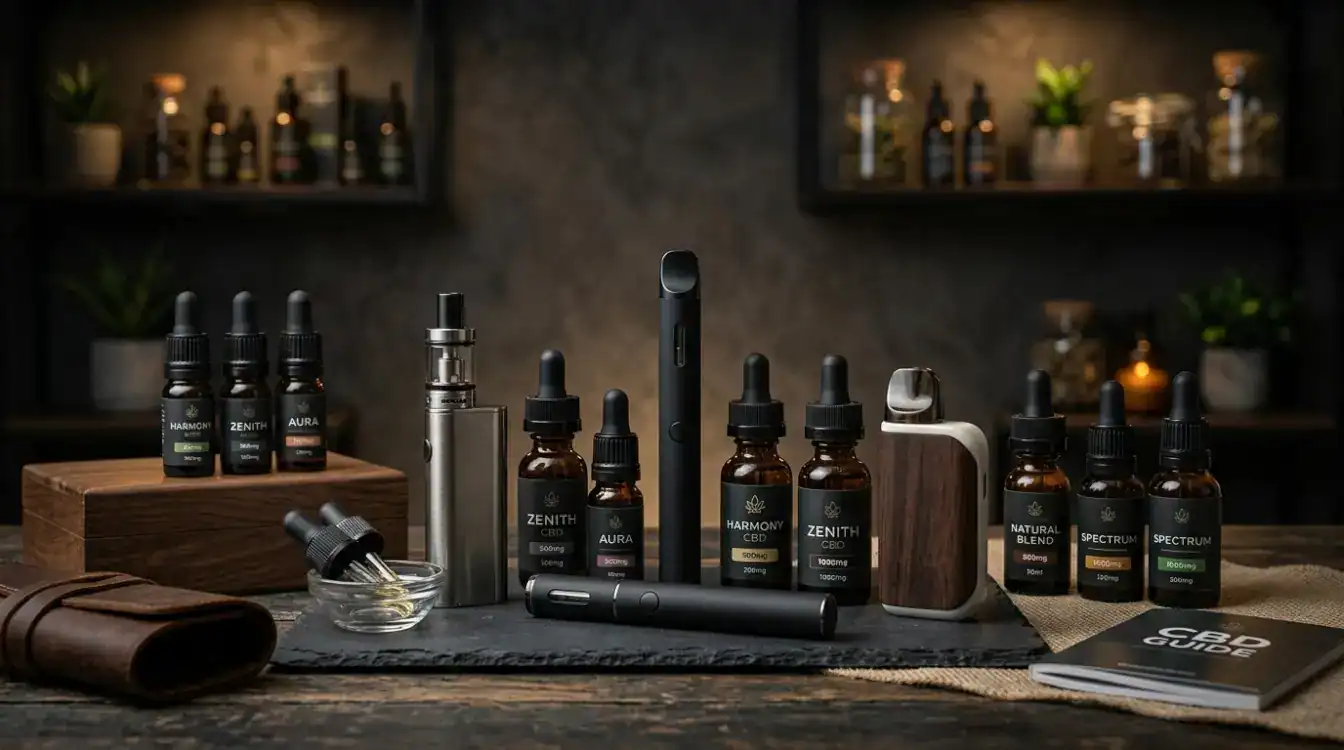
CBD vaping heats a specially formulated liquid or concentrate until it produces an inhalable vapor, which carries cannabidiol directly into your lungs and bloodstream. Unlike edibles, there’s no digestive process to slow things down. The vapor crosses into your bloodstream through the lungs’ massive surface area almost immediately. You feel effects fast, and you can adjust your dose puff by puff.
Understanding CBD vs. THC
CBD and THC are both cannabinoids from the cannabis plant, but only THC produces a high. CBD does not 3. Federally legal CBD products must contain no more than 0.3% THC by dry weight, per the 2018 Farm Bill. If a product does produce a high, it’s either mislabeled or contains far more THC than advertised, which happens more often than the industry likes to admit.
Some brands, like CleanAF CBD, sell both CBD-only vapes and THC vapes side by side 2. Read the fine print before checkout. A shelf that mixes both categories makes it easy to grab the wrong box.
Bioavailability: Why Vaping Beats Other Formats
Inhalation typically produces onset within 5 to 15 minutes, while edibles and gummies can take 30 to 90 minutes because they have to pass through the digestive system and liver first 3. First-pass metabolism eats into oral potency; inhalation skips that loss almost entirely.
Topicals, by contrast, work locally and barely enter the bloodstream at all. If you want something that lasts hours without redosing, a tincture or edible might serve you better than a vape. Different tools, different jobs.
Types of CBD Vape Products
Mixing up formats is where most beginners go wrong, since each one demands its own hardware and habits.
CBD Vape Cartridges (Pre-Filled)
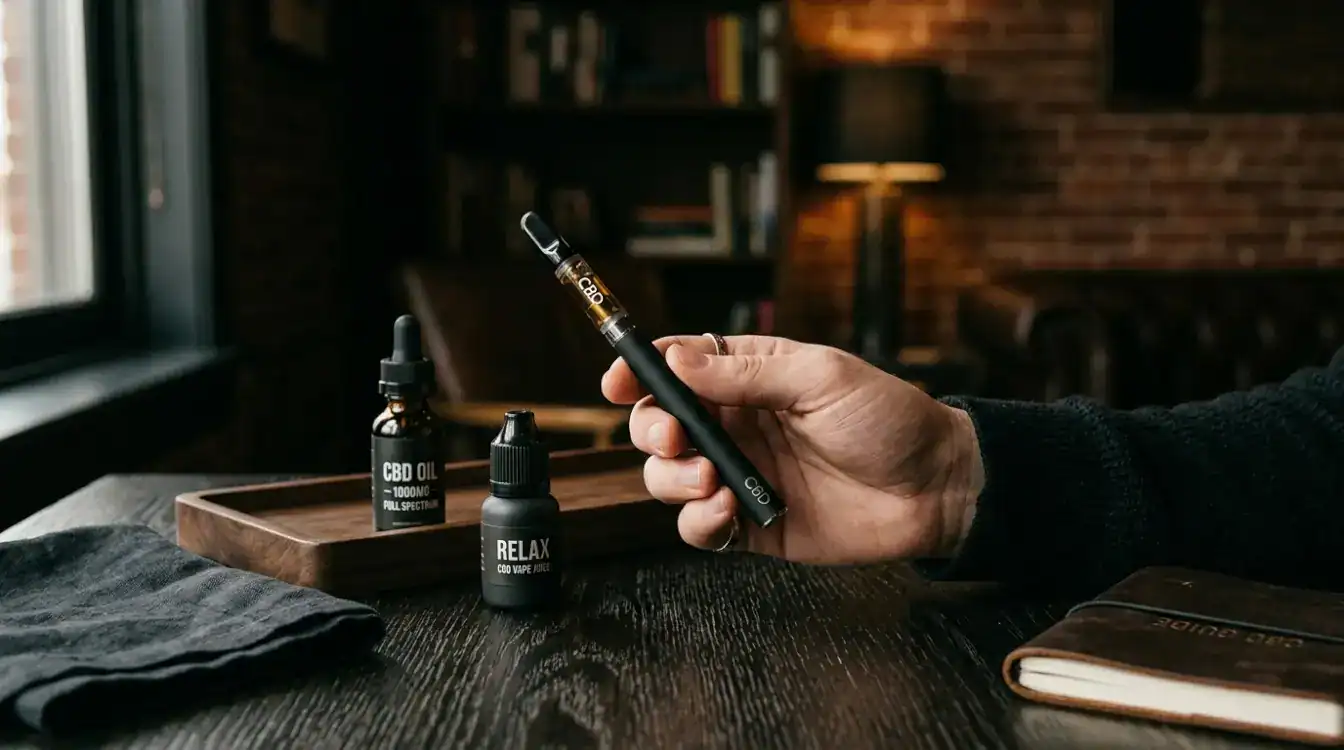
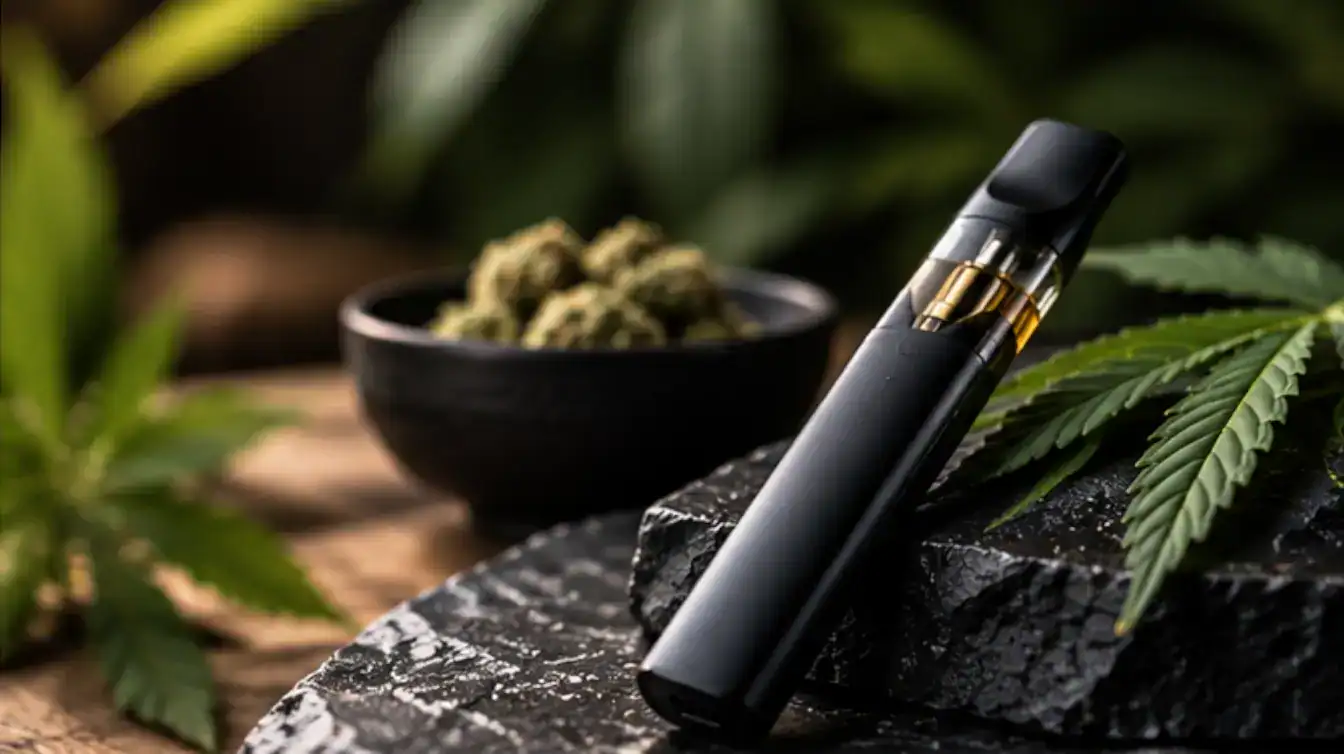
Pre-filled cartridges screw onto a battery and require zero setup, just twist and inhale. They’re the most convenient option, and brands like Steve’s Goods and Orange County CBD sell them ready-to-go 1. The tradeoff? You’re locked into whatever potency and flavor the cartridge ships with.
CBD Vape E-Liquid and Refillable Tanks
E-liquid comes in bottles and fills into refillable tanks, giving you control over how much juice you use per session. This route costs less per milligram of CBD over time, since bottled e-liquid runs cheaper than an equivalent volume of pre-filled cartridges. It does require a bit more hands-on maintenance: filling tanks, replacing coils, cleaning residue.
Raw Distillate and Concentrates
Raw distillate is the least processed form, with no flavoring and no added terpenes, just concentrated CBD extract. It requires a dab rig or a specialized concentrate vape, not a standard cartridge battery. This isn’t the format for beginners. It’s for people who already know their dosing and want it unflavored and unfiltered.
Device Types and Wattage Specifications for CBD
Most CBD e-liquids run best at lower wattages, typically between 10 and 25 watts, because higher heat can degrade cannabinoids and burn off delicate terpenes before you even taste them.
Disposable vs. Refillable Devices
A disposable CBD vape comes pre-charged, pre-filled, and ready to use straight out of the box, with no tanks, coils, or guesswork involved.
✓ Pros of Disposables
- Zero setup — just inhale
- No coil maintenance or leaks
- Easy to try different flavors without commitment
✗ Cons of Disposables
- Higher cost per milligram of CBD long-term
- Fixed potency — no adjusting strength
- More plastic waste over time
If you decide the refillable route makes more sense, browse a proper best vape tanks roundup before buying, since compatibility varies a lot between models.
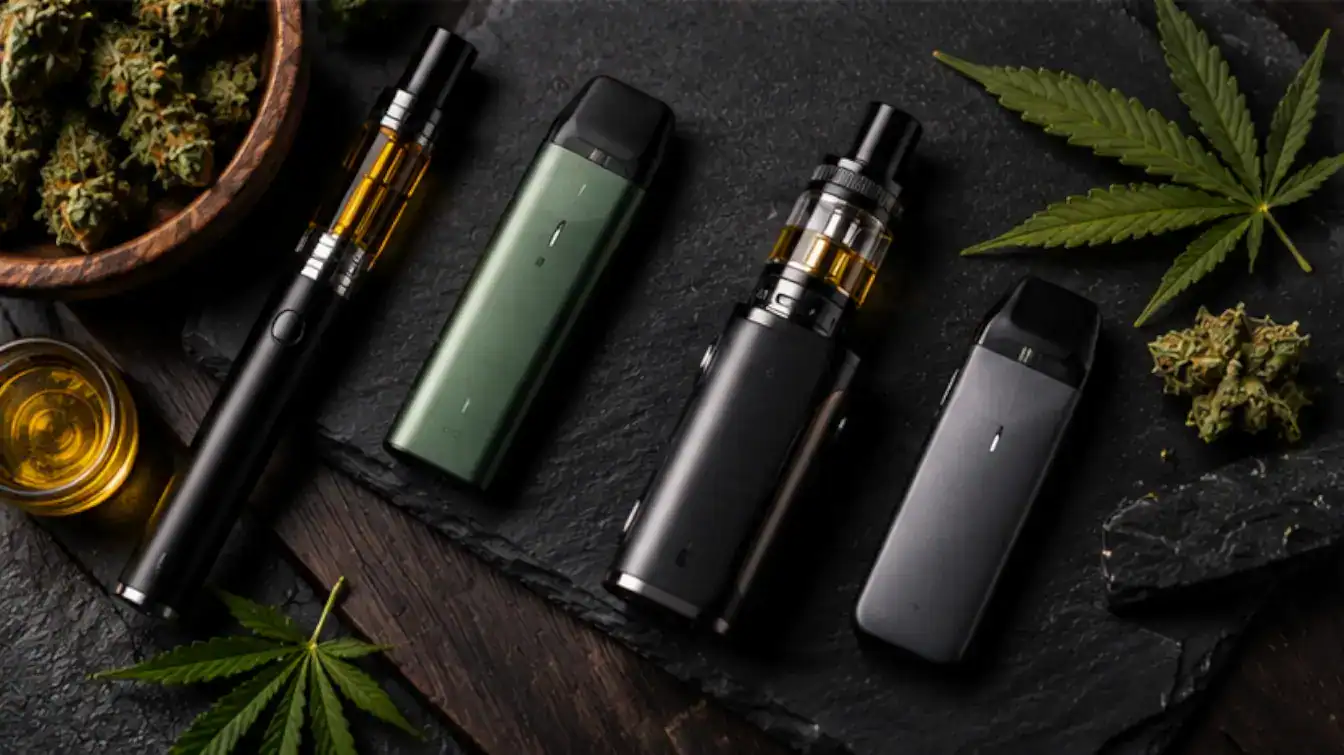
Pen-Style, Pod, and Box Mod Vapes
Box mods offer more control, with adjustable wattage, temperature settings, and sometimes airflow control, but that level of tinkering is overkill for most CBD users. You’re not chasing giant clouds here; you’re chasing consistent, moderate dosing. A beginner-friendly kit covers 90% of CBD use cases without the learning curve.
Optimal PG/VG Ratios and Coil Types for CBD
Ceramic coils tend to handle CBD distillate better than standard cotton-wick coils because they distribute heat more evenly and resist buildup from the extract’s natural waxiness. Cotton coils are cheaper, but they wear out faster under CBD’s thicker oils, so expect more frequent replacements if you go that route.
Dosing and Potency: Finding the Right Strength
Dosing depends on body weight, tolerance, and what you’re trying to achieve. There is, however, a smart way to figure out your starting point instead of guessing.
Understanding Concentration and Puff Count
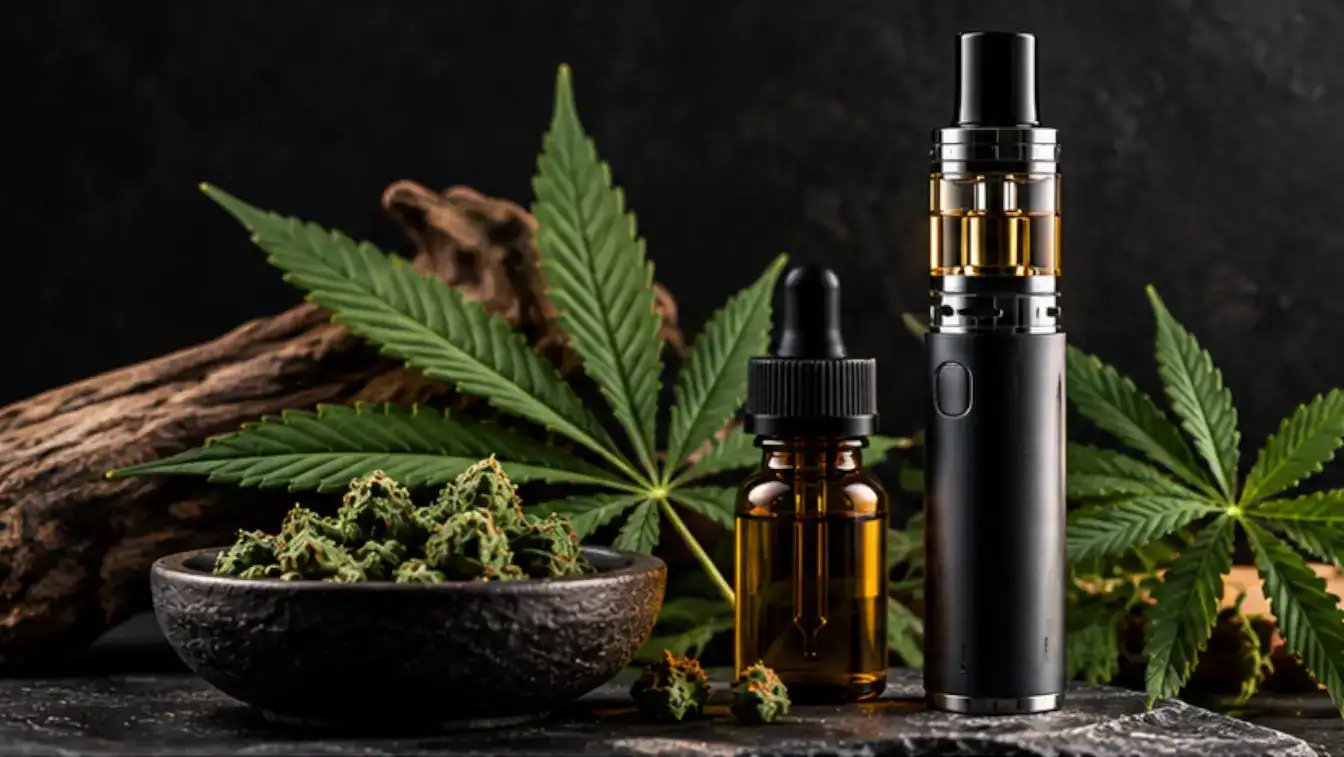
Total CBD content divided by average puffs per milliliter gives you a rough milligram-per-puff figure, and that math matters more than the big number on the box. A 1000mg cartridge sounds potent, but if it yields 300 puffs, you’re getting roughly 3.3mg per puff, moderate, not massive. Compare products by this per-puff math, not just total milligrams, because a 500mg cart with a smaller puff count might actually deliver more per hit 3.
Beginner, Intermediate, and Advanced Dosing Tiers
Start low. Beginners generally do well starting around 1-5mg per session and waiting to gauge effects before taking more. Intermediate users often land in the 10-20mg range per session, while more experienced users, people with higher tolerance or more severe needs, sometimes go beyond 25mg. Wait at least 15 minutes between doses before deciding you need more. Vaping hits fast, and stacking puffs too quickly makes it easy to overshoot.
Quality, Lab Testing, and Regulatory Standards
Anything without a current, batch-specific Certificate of Analysis isn’t worth your money.
Third-Party Lab Reports and COA Requirements
The COA should confirm actual CBD content matches the label, verify THC stays under the 0.3% federal threshold, and screen for pesticides, heavy metals, and residual solvents. Sites like Leafreport specialize in aggregating and grading these lab results across brands 3, which makes comparison shopping far less of a guessing game. If a brand won’t post a COA, walk away. That’s not a judgment call; that’s just risk management.
THC Content and Legal Compliance Across States
Federal law allows hemp-derived CBD products with 0.3% THC or less, but individual states add their own layers on top. California, for instance, has stricter labeling and testing requirements for hemp products sold within state lines than some other states 3. THC-free formulations exist specifically for people who face drug testing or simply want zero risk of any THC showing up, even in trace amounts. Anyone browsing CBD vapes UK will find different THC limits and labeling rules than what applies stateside, so a product legal in one country may not clear customs, let alone shelves, in another.
Terpene Profiles and the Entourage Effect
Many premium CBD vapes add cannabis-derived or botanically-sourced terpenes like myrcene, limonene, and linalool, claiming they boost effects through what’s called the “entourage effect.” Brands such as Steve’s Goods and Treehouse highlight specific terpene blends in their product lines 1. The science here is promising but still developing. There’s reasonable evidence terpenes influence how cannabinoids behave, but claims of dramatic effect amplification outpace current research. Treat terpene marketing as a flavor and experience enhancer first, a therapeutic guarantee second.
Key Features to Evaluate Before Buying
Battery Life and Recharge Speed
Daily vapers need at least 300mAh in a disposable or a fast-charging refillable battery, otherwise you’ll be tethered to a charger mid-week. Pod systems and box mods with USB-C charging cut downtime significantly compared to older micro-USB devices.
Flavor Quality and Ingredient Transparency
“Natural flavor” on a label should mean food-grade flavoring agents, not vague filler language hiding cheap additives. Brands like Orange County CBD and A Gift From Nature publish ingredient breakdowns rather than burying them. That transparency is a genuinely good sign, and its absence should raise questions.
Price vs. Value: Disposables vs. Long-Term Investment
Run the math before you buy. For broader price comparisons across vape categories, current deals are worth a scan before committing to any single brand.
Common Mistakes to Avoid
- Buying without checking for a COA — no lab report means no accountability.
- Ignoring puff count math and judging potency by total milligrams alone.
- Storing vape juice or cartridges in direct sunlight or heat, which degrades cannabinoids faster than normal shelf life would suggest.
- Chain-vaping to “feel something” instead of waiting out the 15-minute onset window.
Getting Started: Your CBD Vape Setup
If you’re brand new, start with a disposable CBD pen from a brand that publishes lab results. Once you know your preferred strength and flavor profile, move to a refillable pod system for better long-term value. Keep an eye on how the device performs after a few weeks of daily use, since battery degradation and coil buildup show up faster with heavier rotation than most first-timers expect.
Conclusion
The people who get burned in this market almost always skipped the lab report or bought hardware mismatched to their juice. Don’t be that person. Get those fundamentals right, and everything else — flavor, terpenes, brand loyalty — is just personal preference.
Frequently Asked Questions
Does a CBD vape get you buzzed?
Legitimate products, tested and labeled correctly, simply won’t produce that effect.
How many puffs of a CBD vape should I take?
Most people find their comfortable range within the first few sessions by paying attention rather than by following a fixed number. Track how it feels, adjust slowly, and treat the first few tries as calibration rather than dosing.
Does vaping CBD actually work?
Individual results vary based on dose, product quality, and personal body chemistry, but the inhalation route itself is one of the more efficient delivery methods available.
What does hitting a CBD vape feel like?
Most users describe a mild sense of calm or relaxation, without the mental fog or euphoria associated with THC. The sensation is typically subtle rather than dramatic. Many first-time users expect a stronger effect and are surprised by how mellow it actually feels.
Can you vape regular oral CBD oil?
It’s formulated to be swallowed, not heated, and its thick consistency can clog a coil or produce harmful compounds when burned.
Should I choose a disposable or a refillable CBD vape kit?
The right pick depends on how much maintenance you’re willing to do, and how often you actually vape in a given month.
Sources
- stevesgoods.com Blog. https://stevesgoods.com/Blog
- cleanafcbd.com Shop Premium CBD Vape Pens and THC Vapes. https://cleanafcbd.com/
- leafreport.com Bringing Transparency to the CBD Industry. https://www.leafreport.com/


