

Only 48 Vapes Are FDA Authorized in the US
Key Takeaways
- Only 48 e-cigarette products carry FDA marketing authorization in the US as of 2026, out of an estimated thousands sold in stores and online.
- JUUL2 became one of the most notable recent authorizations, approved alongside two tobacco and menthol pod flavors in mid-2025 3.
- FDA authorization is a legal green light, not a safety certification — the agency is judging net public health impact, not declaring a product harmless.
- Over 99% of Premarket Tobacco Applications get rejected, which means the vape sitting on your local gas station counter is almost certainly unauthorized.
- Buying an unauthorized e-cigarette isn’t a technicality — it means nobody at the FDA has reviewed its chemistry, its marketing, or its appeal to teenagers.
If you’re vaping right now, there’s a good chance your device is illegal, and not in some gray-area, loophole sense. Millions of Americans are buying products that were never reviewed by the FDA at all, with no idea that the number of legal options sits at exactly 48 3. That’s a vape market Wells Fargo analysts estimate includes thousands of SKUs across disposables, pod systems, and open tanks.
How did we get here? And why does a federal agency with tobacco oversight authority let an entire industry operate mostly outside the law?
The short answer: the FDA’s authorization bar is brutally high, most companies can’t clear it, and enforcement hasn’t caught up with the flood of imported disposables — many manufactured overseas by companies that never bothered filing a US application at all 7. The longer answer is worth understanding, especially if you’re a vaper, a retailer, or just someone trying to figure out what’s actually legal to sell in this country.
What Does FDA Authorized Mean for E-Cigarettes?
The Real Number—How Many E-Cigarettes Are Actually FDA Authorized?
The PMTA Rejection Rate and Why Most Vapes Never Make It
Are Most Vapes Sold in the US Illegal?
What Does FDA Authorized Mean for E-Cigarettes?
FDA authorization means the agency reviewed a specific e-cigarette product and determined that marketing it serves public health better than keeping it off the market. It’s not a stamp of safety or a nutrition label — it’s a regulatory judgment call, made product-by-product, based on a mountain of data the manufacturer had to submit under the Center for Tobacco Products’ review process 2.
Here’s the part most people miss: authorization is granted per product, not per company. JUUL Labs doesn’t get a blanket pass just because JUUL2 cleared review. Every pod flavor, every device, every nicotine concentration needs its own sign-off.
The PMTA Process and What FDA Actually Evaluates
The Premarket Tobacco Application, or PMTA, is the only legal pathway for a new e-cigarette to reach the US market. Manufacturers submit toxicology data, chemistry breakdowns, behavioral studies on youth appeal, and modeling on how the product affects population-level smoking rates. FDA’s Center for Tobacco Products then decides whether the product’s benefit to adult smokers outweighs its risk of hooking non-smokers, particularly teenagers 2.
This isn’t a rubber-stamp process. Companies spend millions of dollars and years compiling data, and plenty walk away with nothing to show for it.
Authorization vs. Safety—A Critical Difference
Does FDA authorized mean a vape is safe? No — it means the FDA decided the product’s marketing is “appropriate for the protection of public health,” which is a comparative standard, not an absolute one 2. A vape can get authorized while still containing nicotine, still carrying inhalation risks, and still causing addiction. The bar isn’t “harmless.” It’s “less harmful than the alternative, and unlikely to create a new generation of nicotine users.”
That distinction gets flattened in casual conversation constantly, since people hear “FDA approved” and assume medical-grade safety. It’s really a public health cost-benefit calculation, worth remembering every time you see an “FDA cleared” sticker on a vape display.
The Real Number—How Many E-Cigarettes Are Actually FDA Authorized?
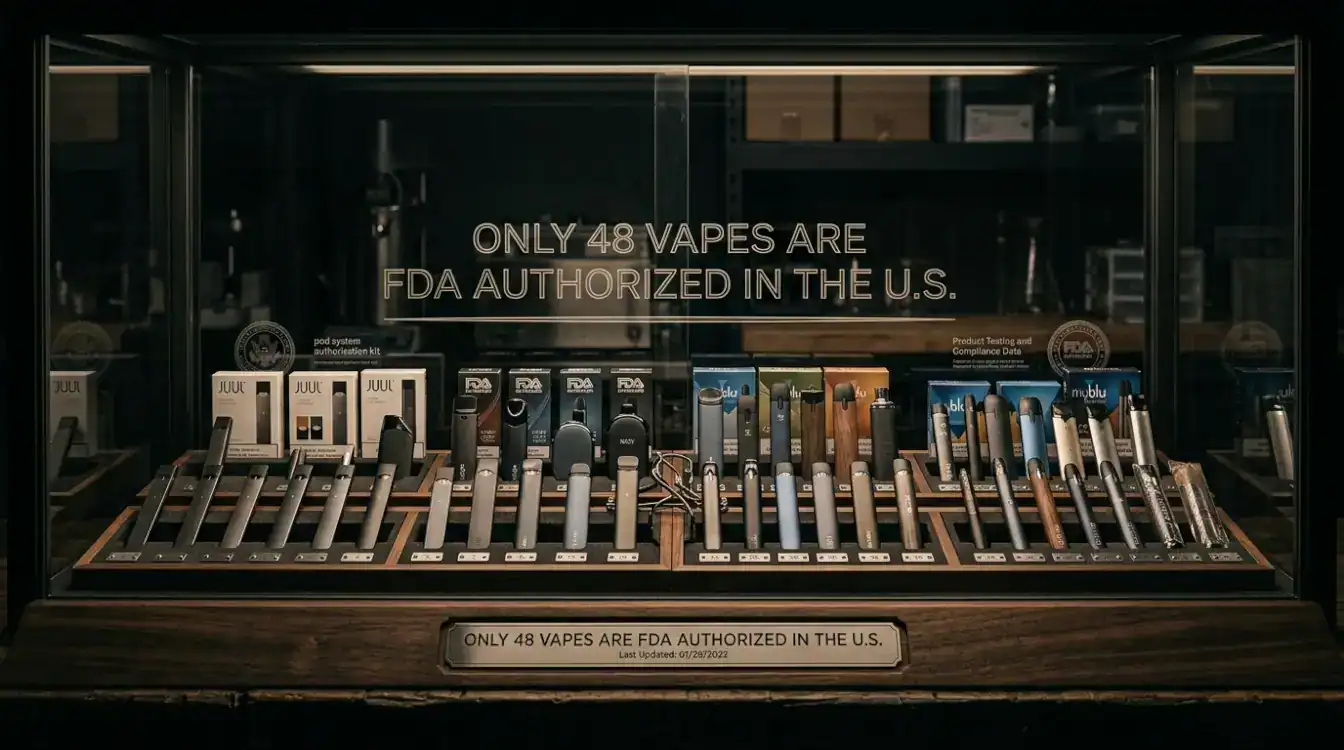
Forty-eight. That’s the current count of e-cigarette products holding FDA marketing authorization, a number that includes devices, pods, and cartridges reviewed individually under PMTA 3. Compare that to the thousands of disposable and refillable products stocked in vape shops nationwide, many imported without ever touching FDA review 7, and the gap becomes obvious. The FDA doesn’t publish a single master list update on a predictable schedule, either — authorizations trickle out product by product, sometimes months apart 2.
Breaking Down the 48 Authorized Products by Manufacturer
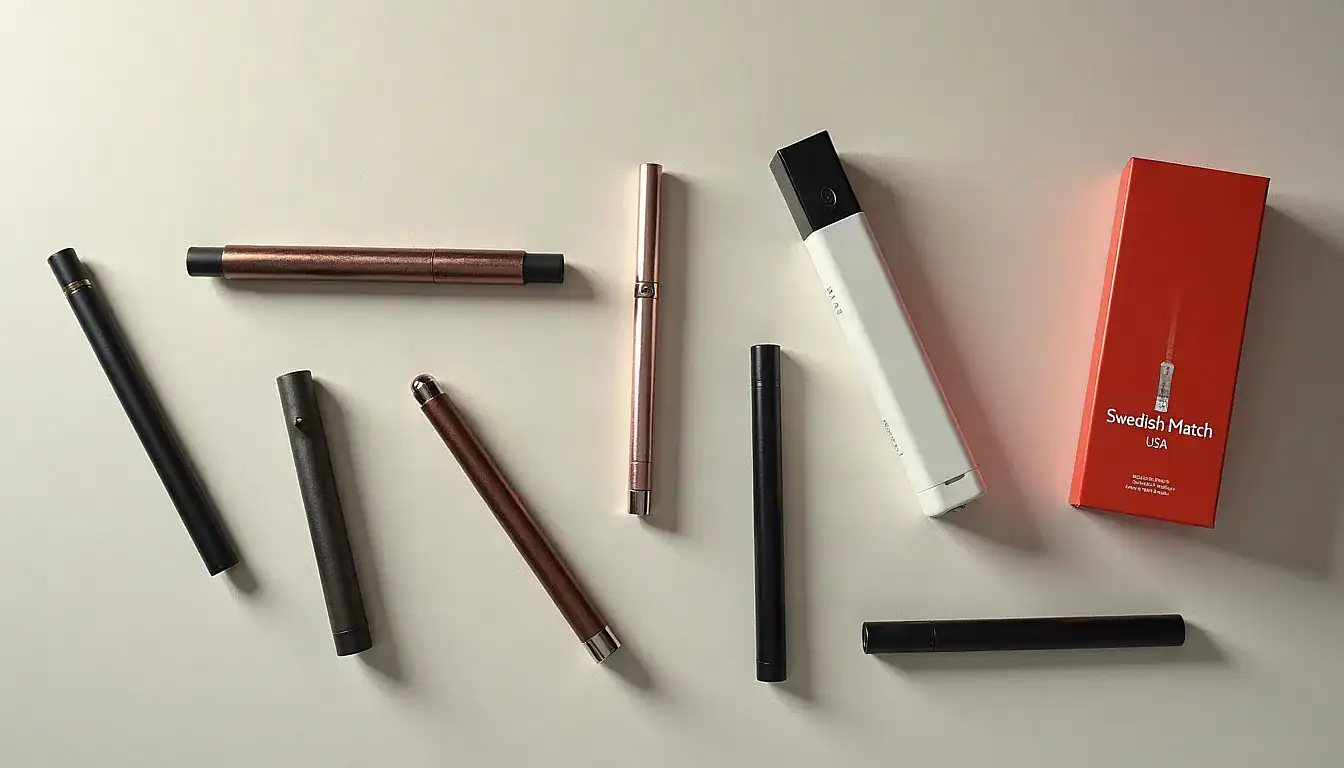
JUUL Labs holds the largest share of authorized products, following its 2025 JUUL2 approval alongside tobacco and menthol pod flavors 3. Swedish Match USA, Inc. holds authorizations as well, though its footprint centers more on nicotine pouches — the FDA authorized 11 new nicotine pouch products in a separate but related regulatory action 5. A handful of smaller manufacturers round out the remaining authorized slots, though none come close to JUUL’s share of the list. Notably absent from the list entirely: any open-tank or refillable system, a gap covered later in this piece.
| Manufacturer | Product Type | Notable Authorization |
|---|---|---|
| JUUL Labs | Closed-system e-cigarette | JUUL2 device + tobacco/menthol pods 3 |
| Swedish Match USA, Inc. | Nicotine pouches | 11 pouch products authorized 5 |
| Other smaller manufacturers | Mixed device types | Limited individual product authorizations |
Why Is JUUL2 the Standout Approval?
JUUL2 matters because it reversed years of FDA skepticism toward the JUUL brand specifically. The agency had previously issued marketing denial orders against JUUL products, citing insufficient evidence on youth appeal and inadequate data on toxicological risk. JUUL2’s 2025 authorization came with a specific age-verification system built into the device and updated pod formulations, data points the FDA cited directly in its authorization notice 3. It’s not a full redemption story so much as a narrow, product-specific win that took years of resubmission and new clinical data to achieve.
The PMTA Rejection Rate and Why Most Vapes Never Make It
Over 99% of e-cigarette PMTA submissions end in rejection or marketing denial, according to FDA’s own tobacco product review data 2. That statistic alone explains why the authorized list sits at 48 while the actual retail market looks nothing like it.

Most Common Reasons for Denial
Most rejections trace back to a handful of recurring failures: insufficient long-term toxicology data, weak evidence on nicotine abuse potential, and — the big one — inadequate proof that the product won’t appeal to minors. Flavored disposables get hit hardest here. FDA reviewers have repeatedly cited youth-appeal flavor profiles as grounds for denial, arguing that fruit and dessert flavors carry too much risk of attracting teenage users without offsetting evidence of adult smoking-cessation benefit 2.
The Timeline: How Long Does FDA Authorization Take?
Authorization reviews typically run anywhere from one to five years, depending on the completeness of the original submission and how many rounds of additional data FDA requests. Some companies abandon the process midway, unwilling to keep funding studies with no guaranteed payoff. That’s a rational business decision in some cases, but it also means the legal vape market stays permanently smaller than the illegal one.
Are Most Vapes Sold in the US Illegal?
Yes. The overwhelming majority of e-cigarettes sold in American convenience stores, gas stations, and online shops are not FDA authorized, which means they’re being marketed illegally under federal law 2.
Walk into almost any vape shop and check the disposable wall — chances are good most of what’s stocked never went through PMTA review at all. Many disposables get imported from overseas manufacturers who build for global markets first and worry about US compliance later, if ever 7. The FDA’s own partial ban on flavored electronic cigarettes targeted exactly this problem, and it barely dented shelf inventory.
The Enforcement Gap
FDA doesn’t have the staffing to pull every unauthorized product off every shelf in the country. Instead, the agency prioritizes enforcement against products with clear youth appeal — bright packaging, candy flavors, cartoon branding — and against large-scale distributors rather than individual retailers 2. That triage approach means plenty of unauthorized products simply fly under the radar for years.
Is that a failure of the system? Kind of, but it’s also a resourcing reality. Nobody can inspect every warehouse and every online storefront simultaneously, so the FDA has chosen to spend its limited enforcement budget where the public health risk looks highest: products aimed at kids.
Online vs. Brick-and-Mortar Retail
Online retailers face even less oversight than physical stores, since inspections happen far less frequently and jurisdiction gets murky when a warehouse sits in one state and ships to another. State-level regulations sometimes fill the gap — several states have banned flavored vapes entirely regardless of federal authorization status — but the patchwork creates confusion rather than clarity. If you want a broader sense of how state and federal rules interact, the US Regulatory Landscape breaks down how inconsistent enforcement really is across the country.
JUUL2 and the Center for Tobacco Products Decision
JUUL2’s 2025 authorization marked a turning point for a company the FDA had previously tried to push out of the market entirely. The Center for Tobacco Products authorized the JUUL2 device alongside tobacco and menthol flavored pods, reversing years of denial orders issued against earlier JUUL products 3.

What Changed Between JUUL’s Rejection and JUUL2’s Approval?
The earlier JUUL devices got denied over insufficient evidence that the product wouldn’t disproportionately appeal to underage users. JUUL2’s submission included updated behavioral data, revised pod nicotine formulations, and — critically — a built-in age-verification system the company argued addressed the FDA’s original concerns directly 3. FDA advisers reviewing the resubmission apparently found the new data compelling enough to reverse course, though the agency’s public notice focused mainly on the youth-access improvements rather than any dramatic reformulation of the vapor itself.
Age-Verification Tech and Real-World Effectiveness
JUUL2’s age-gate system pairs device-level authentication with retail purchase verification, an approach meant to close the gap that let minors access earlier JUUL pods so easily. Independent, large-scale testing data on real-world circumvention rates isn’t broadly published yet, so it’s hard to say definitively how bulletproof the system is outside FDA’s own review — a fair criticism, since authorization based on manufacturer-submitted data always carries an asterisk until outside researchers get a chance to stress-test the claims.
The FDA Authorization Landscape by Product Type
Closed-system devices dominate the authorized list, while refillable open-tank systems remain almost entirely absent from FDA approval 35. That split isn’t random — it reflects how much easier closed systems are to standardize, test, and control compared to devices where users can pour in whatever e-liquid they want.
✓ Pros of Closed-System Authorization
- Standardized nicotine concentration across every pod
- Easier for FDA to test consistent chemistry and toxicology
- Built-in age-verification hardware, as seen with JUUL2 [3](https://www.fda.gov/tobacco-products/ctp-newsroom/fda-authorizes-marketing-juul2-e-cigarette-device-and-tobacco-and-menthol-flavored-pods)
✗ Cons of Closed-System Authorization
- Limited flavor options compared to the open market
- Higher per-pod cost over time
- Locks users into one manufacturer’s ecosystem
Closed-System Devices (JUUL2, VUSE, Others)
FDA has consistently favored closed-pod systems because uniform hardware makes safety review more manageable. If every pod is manufactured to the same spec, the agency only has to evaluate one formulation rather than an infinite combination of tank, coil, and e-liquid variables. That’s part of why anyone comparing the best vape pods on the market today will notice how many of the reputable options lean toward closed-system designs rather than open tanks.
Refillable and Open-System Authorizations
Open systems face a much steeper climb toward authorization, partly because manufacturers can’t control what e-liquid a user eventually pours into the tank. That unpredictability makes toxicology modeling nearly impossible to pin down. If you’re shopping the best vape tanks or comparing box mods, understand that almost none of that open-system hardware carries FDA marketing authorization — it exists in the same largely unregulated space as the disposables filling convenience store shelves.
Swedish Match USA and Other Approved Manufacturers
Nicotine pouches aren’t technically e-cigarettes, but they sit in the same broader tobacco-product regulatory bucket and often get lumped into the same authorization conversations. Swedish Match’s 11 cleared pouch products represent one of the larger single-action authorizations FDA has issued outside the vape category proper, which is worth noting given how much attention JUUL2 tends to absorb by comparison.
Implications for Consumers and Retailers
Buying an unauthorized vape isn’t just a legal gray area — it means nobody has verified what’s actually inside the product you’re inhaling. FDA authorization requires disclosed chemistry and toxicology data; unauthorized products carry no such guarantee 2.
How to Identify an FDA-Authorized Vape
Check FDA’s published authorization notices directly, since packaging alone won’t reliably tell you whether a product cleared review. Authorized products typically reference their PMTA status in manufacturer materials, but plenty of unauthorized brands print vague “FDA registered” language that means almost nothing — registration isn’t authorization. If you’re just getting started and want to avoid this confusion entirely, the beginner’s guide to vapes is a solid place to learn what actually matters before buying anything.
The Retail Reality
Most retailers stock what sells, not what’s authorized. Margins on unauthorized disposables often beat authorized closed-system pods, and enforcement risk at the individual store level remains low enough that plenty of shop owners accept it.
Looking Ahead—Future FDA Authorizations and Policy Trends
The authorized list will almost certainly grow, but slowly. Whether that growth means enforcement against unauthorized vapes eventually tightens, or whether the current patchwork just continues indefinitely, remains an open question nobody at FDA has answered definitively yet. Congressional pressure on the agency has increased in recent budget cycles, though funding for expanded enforcement staff has yet to materialize in any meaningful way.
Conclusion
Forty-eight products make up the entire legal e-cigarette market in the United States right now, dwarfed by an illegal market that dominates convenience store shelves nationwide. Tough standards only work if enforcement actually keeps unauthorized products off shelves, and right now, it doesn’t — a gap covered in depth in the rise of children vapers. If you’re buying a vape today, check whether it’s actually on that list of 48. Most people never will, and that’s exactly the problem.
Frequently Asked Questions
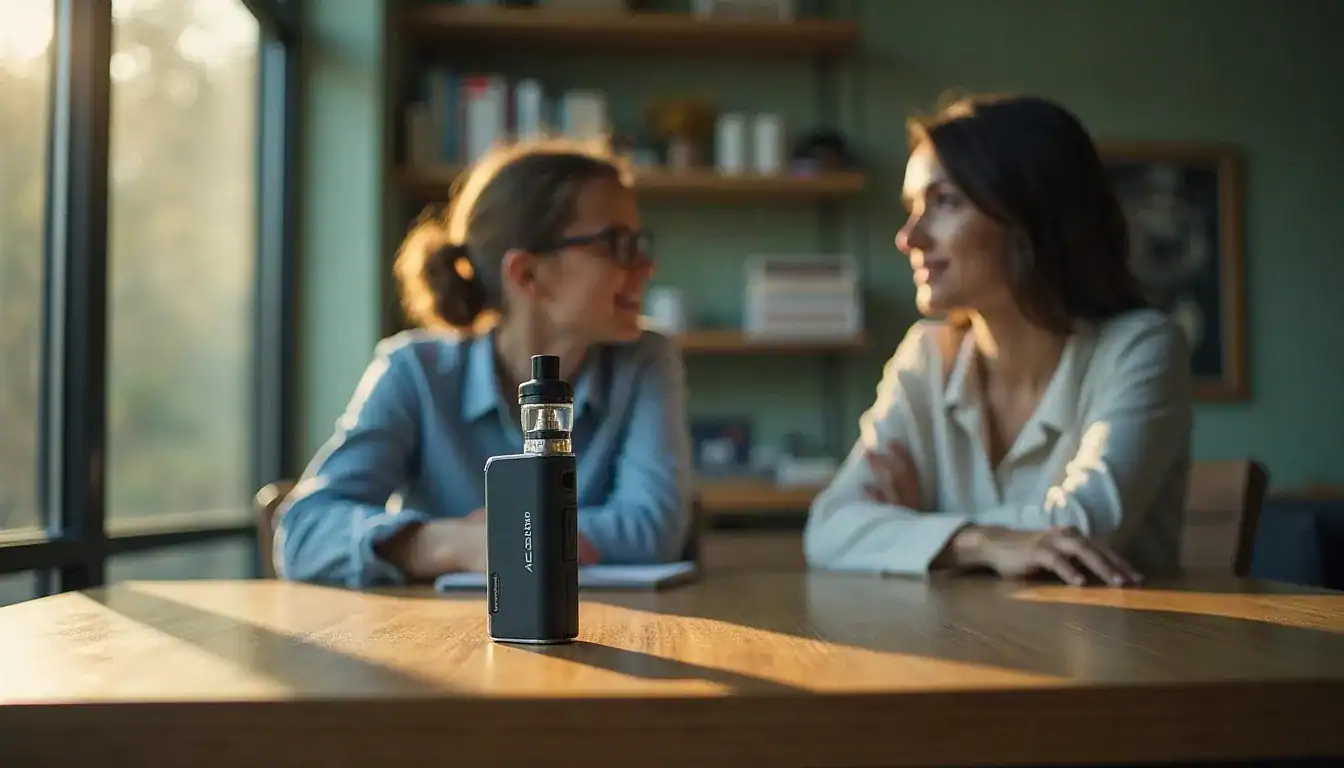
Which e-cigarettes are approved by the FDA?
As of 2026, 48 e-cigarette products hold FDA marketing authorization, led by JUUL2 and its tobacco and menthol pods, along with products from Swedish Match USA, Inc. and a small number of other manufacturers 35. The full authorized list is published and updated by FDA’s Center for Tobacco Products rather than through any single retailer or brand website.
Will there be a federal vape ban in 2026?
There’s no comprehensive federal ban on vaping products currently in effect, though FDA has pursued partial restrictions on flavored e-cigarettes tied to youth appeal concerns 2. Any broader federal ban would require significant regulatory or legislative action beyond the current PMTA authorization framework.
What vape brands are not FDA approved?
The vast majority of vape brands sold in US retail, including most flavored disposables and open-tank systems, lack FDA authorization entirely.
Is Geek Bar FDA approved?
Geek Bar products do not currently appear on FDA’s list of 48 authorized e-cigarettes. Like most disposable vape brands sold widely in US stores, Geek Bar operates without FDA marketing authorization, though the brand remains popular enough that shoppers can find the best Geek Bar flavors covered extensively across vape retail sites.
Can I legally buy a vape that isn’t on the FDA’s authorized list?
Purchasing itself typically isn’t illegal for consumers, but manufacturers and retailers marketing unauthorized products are operating outside federal law 2. The legal risk sits mainly on the seller’s side, not the buyer’s, though that doesn’t mean the product’s safety data is any more reliable.
Does FDA authorization guarantee a vape won’t cause health problems?
No, authorization doesn’t guarantee harm-free use. It means FDA determined the product’s marketing benefits public health more than it harms it compared to combustible cigarettes, not that the device is free of health risk 2.
Sources
- fda.gov Tobacco Products. https://www.fda.gov/tobacco-products
- fda.gov FDA Authorizes E-Cigarette Device and Two Pods. https://www.fda.gov/tobacco-products/ctp-newsroom/fda-authorizes-marketing-juul2-e-cigarette-device-and-tobacco-and-menthol-flavored-pods
- fda.gov FDA Authorizes 11 New Nicotine Pouches. https://www.fda.gov/tobacco-products/ctp-newsroom/fda-authorizes-11-new-nicotine-pouches
- ecigator.com Vape Manufacturer in China. https://ecigator.com/


